EN

Cara Menjaga Konsistensi Rasa dalam Setiap Minuman Ala Bartender
Bidang Food & Beverage, Blog, EN

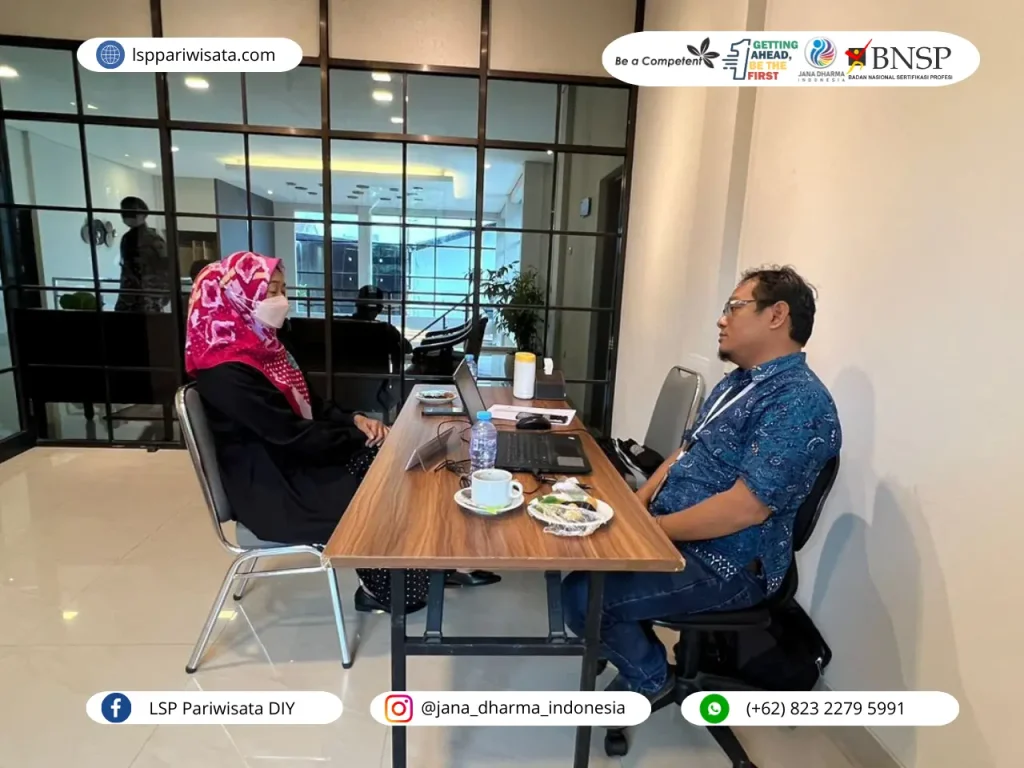
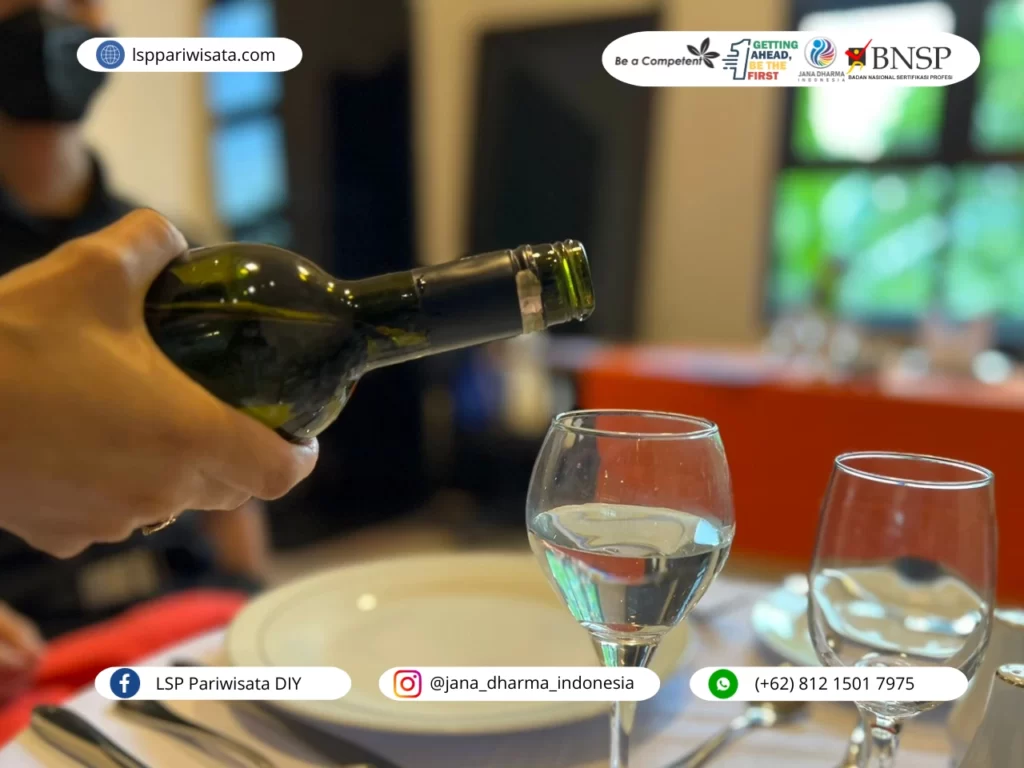
Crisis Communication Management: Essential Skills for Bartenders

In the service and entertainment industry, particularly for bartenders, communication crises can pose serious challenges. The ability to communicate effectively under pressure and handle unexpected situations is a critical skill. This article explores the importance of crisis communication management for bartenders and offers guidelines on how to navigate difficult situations with expertise and professionalism. The Importance of Effective Communication for Bartenders For bartenders, effective communication is the cornerstone of exceptional service. Maintaining clear communication with customers and colleagues creates a pleasant and welcoming atmosphere at the bar. However, in crisis situations, communication skills become even more crucial. Early Identification of Potential Crises An experienced bartender can recognize the early signs of a communication crisis. This involves the ability to read facial expressions, body language, and changes in the bar’s atmosphere. If there are signs of customer dissatisfaction, tension, or conflict, a seasoned bartender can quickly detect them and take action before the situation escalates. Maintaining Calm in Tense Situatio Tense situations or conflicts in a bar setting are inevitable. A bartender must stay calm and avoid reacting impulsively in difficult situations. This includes not responding to negative emotions with heightened negativity. Remaining composed helps to create a safe and calming environment in the bar. Wise Conflict Resolution Bartenders often encounter conflicts among customers or with customers. In crisis communication management, it’s important to possess conflict resolution skills. This includes listening carefully, understanding others’ perspectives, and offering fair solutions. Acting as a neutral mediator can help resolve conflicts without making the situation worse. Using Positive Body Language Body language is a powerful tool in communication, especially during a crisis. A bartender should understand how their body language can influence the situation. Using positive body language, such as smiling, maintaining eye contact, and calm gestures, can help soothe the atmosphere and rebuild positive relationships. Understanding and Respecting Personal Boundaries Bartenders also need to understand and respect customers’ personal boundaries. Sometimes, conflicts arise due to misunderstandings or breaches of personal space. A wise bartender will always respect customers’ privacy and wishes. Any discomfort or misalignment should be handled with sensitivity and care. Prioritizing Safety In a crisis situation, safety must be the top priority. A bartender should know how to handle situations that may pose physical or emotional danger. This includes recognizing signs of alcohol misuse and responding accordingly, as well as managing customers who may have mental or emotional health issues. Collaborating with Colleagues When faced with a crisis, working together with colleagues is key to effectively resolving the issue. A bartender must be able to communicate well with their team, share relevant information, and collectively find the best solution. A solid team is more effective in handling crises than individuals working alone. Continuous Education and Training Competent bartenders not only rely on experience but also continuously improve their skills through education and training. This includes training in conflict management, stress management, and communication skills. Regular training prepares bartenders to face crisis situations with professionalism. Honesty and Openness in Communication Finally, honesty and openness in communication are essential in crisis management. A bartender must be able to provide clear and transparent information to customers or colleagues. This builds a strong foundation of trust and helps manage crises more effectively. Conclusion The importance of crisis communication management for bartenders cannot be overlooked. The ability to identify potential crises, remain calm in tense situations, and resolve conflicts wisely are essential skills in this profession. Through education, training, and experience, bartenders can continually improve their communication skills to tackle challenges with professionalism and effectiveness. By focusing on safety, customer comfort, and teamwork, bartenders can confidently and competently handle various crisis situations. For further information please contact us through : WhatsApp : +6282322795991 Telephone : 0274 543 761 Instagram : @jana_dharma_indonesia Email : [email protected]
Mendalami Interaksi antara Pemandu Ekowisata dan Pengetahuan Pengunjung
Bidang Guide, Blog, EN

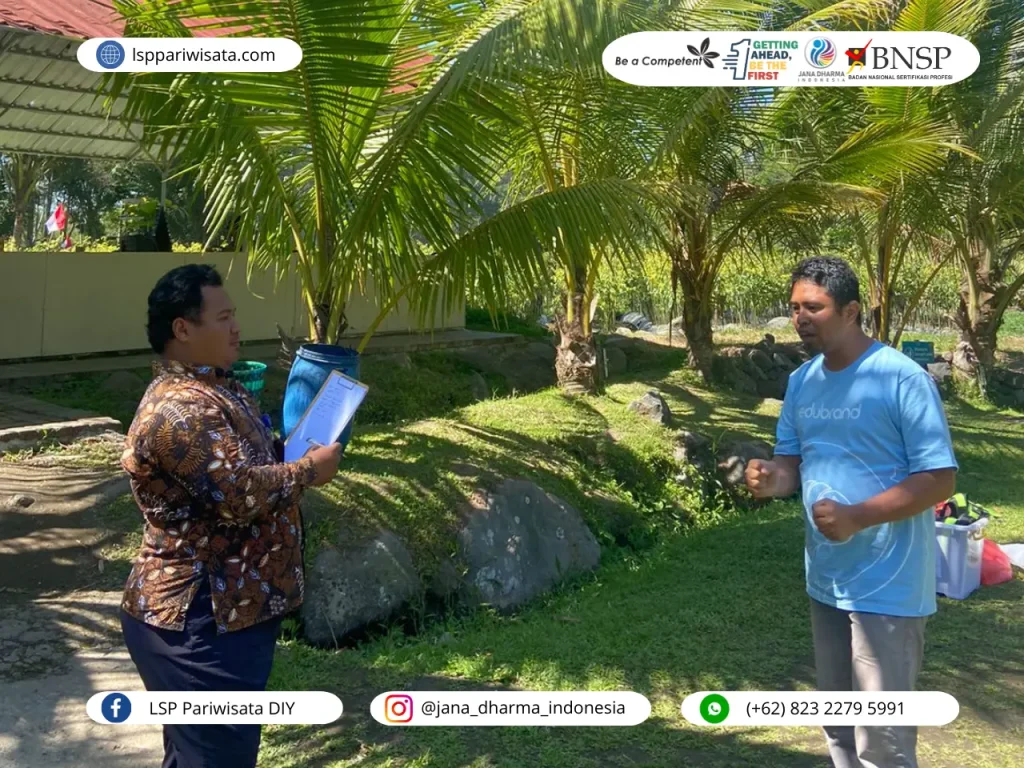
The Positive Impact of Ecotourism Guiding: Understanding and Its Effects

Ecotourism, which focuses on the conservation of natural and cultural heritage, has emerged as a new paradigm in the tourism industry. Ecotourism guiding plays a crucial role in ensuring that tourism delivers long-term benefits without harming the environment or cultural heritage. This article outlines the positive effects of sustainable ecotourism guiding and how this approach can benefit the environment, local communities, and visitors. Preservation of Natural Environments One of the most significant impacts of ecotourism guiding is the preservation of natural environments. Through sustainable practices such as controlled tourism routes, appropriate parking arrangements, and policies against excessive resource extraction, ecotourism contributes to the protection of natural ecosystems. This ensures long-term sustainability for biodiversity and natural beauty. Empowerment and Development of Local Communities Ecotourism guiding also has a positive impact on empowering and developing local communities. Involving local residents in tourism management and services helps create local jobs and empowers communities to take an active role in preserving their cultural and natural heritage. The revenue generated from ecotourism can be used to support infrastructure, education, and healthcare within the community. Appreciation of Local Culture Ecotourism guiding emphasizes the appreciation of local culture. Through direct interaction between visitors and local communities, tourists can learn about traditions, arts, and the daily lives of the locals. This helps preserve cultural diversity and prevents the cultural homogenization that often occurs in conventional tourism. Local communities can also benefit from the sustainability of their culture through the sale of local crafts or cultural tourism experiences. Environmental Education for Visitors Ecotourism guiding provides an opportunity to educate visitors about the importance of environmental conservation and sustainability. Guided tours that offer information about local ecosystems, flora, fauna, and sustainable practices help tourists develop a deeper understanding of their surroundings. This education raises environmental awareness and can inspire positive actions when visitors return to their communities. Limiting the Impact of Mass Tourism One of the advantages of ecotourism guiding is its ability to limit the negative impact of mass tourism. By setting visitor limits, designing sustainable tourism routes, and wisely managing recreational activities, ecotourism guiding can maintain a balance between sustainability and visitor satisfaction. This helps prevent environmental damage and depletion of local resources. Revenue for Conservation and Protection A portion of the revenue generated from ecotourism guiding is typically allocated to conservation and environmental protection projects. These funds can be used to support scientific research, breeding programs, and the management of conservation areas. In this way, ecotourism not only provides economic benefits to local communities but also makes a tangible contribution to the preservation of ecosystems and vulnerable species. Creating Global Awareness of Sustainability Ecotourism guiding has a global impact by raising awareness of sustainability and social responsibility. Through direct experiences at ecotourism destinations, visitors become more conscious agents of change regarding their environmental impact. They can take home the sustainability values they learn and apply them in their daily lives. Reducing Pressure on Popular Tourist Destinations Popular tourist destinations often face excessive pressure from visitors, which can damage the environment and diminish the quality of the tourist experience. By directing tourists to lesser-known or remote ecotourism destinations, ecotourism guiding helps alleviate pressure on more crowded locations. This creates a more equitable distribution of tourism, providing economic benefits to less-visited communities. Enhancing Corporate Social Responsibility in Tourism The ecotourism industry often implements high standards of corporate social responsibility. Tourism companies committed to ecotourism guiding understand that their business is not only responsible for financial gain but also for social and environmental impacts. They can set an example for other industries by demonstrating that sustainability is a key element for long-term success. Creating Meaningful Tourist Experiences One of the most positive effects of ecotourism guiding is the creation of meaningful tourist experiences. By bringing visitors closer to nature and culture, ecotourism offers more than just beautiful scenery; it teaches values of sustainability, social justice, and cultural diversity. Tourists often leave these destinations with lasting memories and a deeper understanding of sustainability. Conclusion Ecotourism guiding has a profoundly positive impact on the environment, local communities, and tourist experiences. Through sustainable practices, it contributes to environmental preservation, community empowerment, and the appreciation of local culture. Additionally, its contributions to conservation and environmental protection projects create benefits that extend far beyond immediate economic gains. By continuing to promote sustainability and social responsibility, ecotourism guiding can serve as a model for the tourism industry as a whole in achieving sustainable growth. For further information please contact us through : WhatsApp : +6282322795991 Telephone : 0274 543 761 Instagram : @jana_dharma_indonesia Email : [email protected]
Optimalkan Pengelolaan Utang dan Piutang di Hotel Anda
Blog, EN

Building Professional Network as a Tourism Assessor

In the tourism industry, building a professional network is crucial for career success, especially for a tourism assessor. A strong network can open doors to collaboration, knowledge exchange, and client growth. This article outlines effective strategies for building and expanding a professional network as a tourism assessor. Attend Tourism Events and Industry Conferences One of the best ways to build a professional network as a tourism assessor is by actively attending tourism events and industry conferences. These events provide a platform to meet fellow professionals, tourism business operators, and industry decision-makers. By participating in discussions, exhibitions, or social activities during these events, you can expand your network significantly. Join Professional Tourism Organizations Joining professional tourism organizations is a vital step in building a network. Organizations such as local or international Tourism Professional Associations provide a space to meet fellow professionals, stay updated on industry trends, and participate in collaborative projects. Membership in these organizations also grants access to resources and opportunities that may not be available individually. Utilize Social Media Platforms Social media is a powerful tool for building and maintaining a professional network. Use platforms like LinkedIn, Twitter, and Instagram to connect with fellow tourism professionals, share relevant content, and contribute to industry discussions. Ensure that your social media profiles reflect your professionalism and expertise as a tourism assessor. Maintain Relationships with Clients and Business Partners Managing relationships with clients and business partners is key to building a strong network. Maintain open and regular communication with your clients, as building a good reputation among them can lead to referrals and recommendations, which can help expand your network. Additionally, fostering good relationships with business partners such as travel agencies, hotels, and other tourism service providers can open doors for future collaborations. Contribute to Knowledge-Sharing Platforms Participating in knowledge-sharing platforms, such as online forums or tourism industry blogs, can help strengthen your professional network. Contribute to discussions, write informative articles or blog posts, and actively engage in online communities. This not only helps you share your knowledge but also attracts the attention of other professionals who may have similar interests or needs. Pursue Certification and Additional Education Enhancing your qualifications through certification and additional education can boost your professional network. When you obtain industry-recognized certification or add new skills through further training, you increase your credibility as a tourism assessor. This can attract the attention of fellow professionals and open opportunities to expand your network. Engage in the Local Community Tourism assessors often work with local clients, and your presence in the local community is key to building a professional network. Engage in community events, support local activities, and participate in social projects as a way to build relationships with local stakeholders. A supportive community is more likely to recommend you to others. Leverage Positive Testimonials and Reviews If you have provided satisfactory service to your clients, leverage positive testimonials and reviews as a tool to build your network. Ask clients to leave reviews or provide testimonials that you can showcase on your website or social media. This enhances your reputation as a reliable and competent tourism assessor. Volunteer as a Speaker or Resource Person Volunteering as a speaker or resource person at tourism-related events is an effective way to increase your visibility and expand your network. Offer to give presentations at seminars, conferences, or industry workshops. This not only strengthens your position as an expert in tourism but also opens the door to meet and interact with other professionals. Collaborate on Joint Projects Finally, collaborate with fellow tourism professionals on joint projects. Collaboration not only enhances your teamwork skills but also expands your network. By working together on projects, you can build closer relationships with your peers and lay a strong foundation for future collaborations. Conclusion Building a professional network as a tourism assessor requires commitment and continuous effort. By leveraging industry events, social media, and membership in professional organizations, you can increase your visibility and gain access to new opportunities. Maintaining good relationships with clients, business partners, and fellow professionals allows you to create a strong and sustainable network. Taking advantage of opportunities to share knowledge, volunteer as a speaker, and collaborate on joint projects are proactive steps to build your reputation and expand your professional network as a tourism assessor. LSPP Jana Dharma Indonesia offers certification programs tailored to the needs of the tourism industry. By pursuing this certification, you will gain the knowledge and skills necessary to become a qualified and reliable assessor. Enhance your career in the tourism industry by enrolling in the assessor certification at LSPP Jana Dharma Indonesia! For further information please contact us through : WhatsApp : +6282322795991 Telephone : 0274 543 761 Instagram : @jana_dharma_indonesia Email : [email protected]
Bidang MICE, EN

Choose the Right Certification for a Career in Event and MICE Management

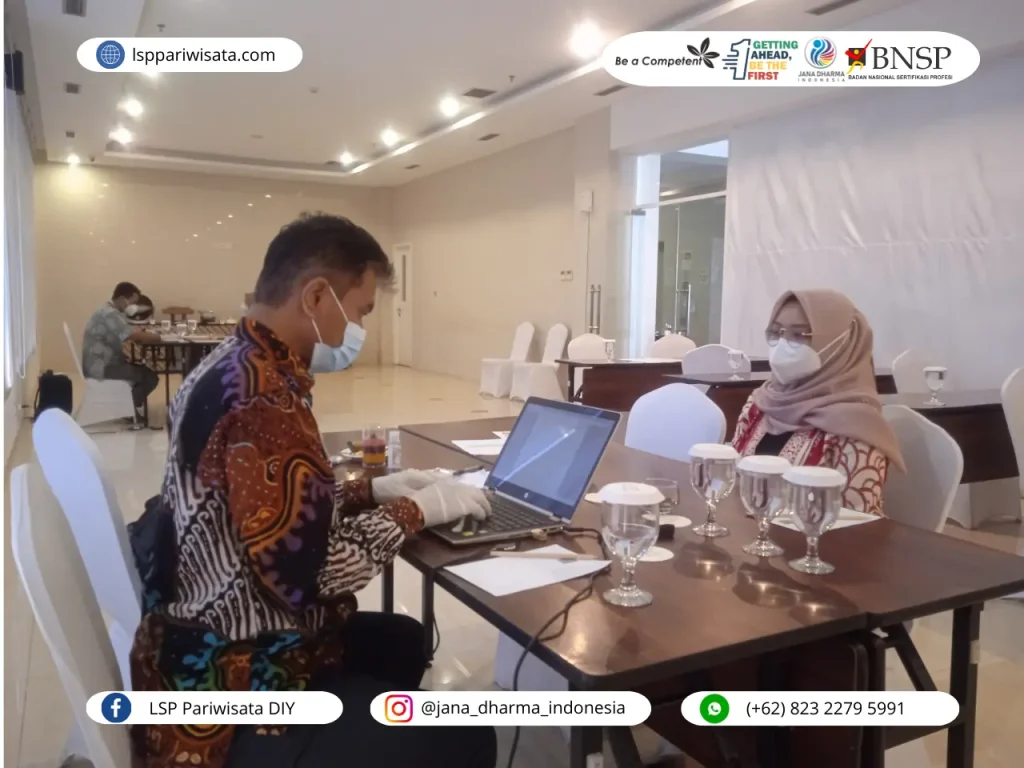
The Importance of Certification in Event Management Working in event management, especially within the Meetings, Incentives, Conferences, and Exhibitions (MICE) sector, requires a highly specialized skill set. Professionals in this field are expected to manage large-scale, complex events, ensuring that every detail is perfectly executed. This is where certification becomes invaluable. Certification in event management is not merely a formality but a validation of your expertise and abilities. In an increasingly competitive industry, the right certification can distinguish you from others and significantly impact your career trajectory. Types of Certifications Available There are various certifications available for professionals in the event and MICE sectors, each tailored to different areas of specialization. Some common certifications include event planning, risk management, and financial management for events. The right choice depends on the specific focus of your career. For instance, if you are more inclined towards planning and coordination, an event planning certification would be ideal. On the other hand, if safety and risk are your primary concerns, a risk management certification would be more appropriate. Why Consider Certification from LSP Jana Dharma Indonesia? The certifications offered by LSP Pariwisata Jana Dharma Indonesia in the MICE field are specifically designed to assess and validate your existing skills. These certifications are not training programs but objective evaluations of your competencies. By obtaining a certification from LSP Jana Dharma Indonesia, you receive a nationally recognized credential that enhances your credibility and competitiveness in the MICE industry. Also read: Challenges of Being a Tourism Marketing Consultant Conclusion Selecting the right certification is a strategic move for building a successful career in event and MICE management. With the appropriate certification, you not only boost your confidence but also expand your career opportunities. Don’t miss the chance to validate your skills and gain certification from LSP Jana Dharma Indonesia, solidifying your place in the industry. Untuk informasi dan pendaftaran, hubungi kami: WhatsApp : (+62)82322795991 Telp : 0274 543 761 Instagram : @jana_dharma_indonesia Email : [email protected]  

mengelola kelompok sebagai tour guide
Bidang Guide, Blog, EN

The Importance of Managing Transportation Transitions as a Tour Leader

A Tour Leader plays a vital role in ensuring the success and smoothness of a tour. One crucial responsibility is organizing transportation transitions to ensure that tour participants can move from one location to another comfortably and efficiently. This article discusses the importance of a Tour Leader‘s role in managing transportation transitions during a tour. Choosing the Right Mode of Transportation A Tour Leader is responsible for selecting the appropriate mode of transportation based on the needs and characteristics of the tour participants. This involves considering the number of participants, travel destinations, travel distance, and group preferences. For instance, in large cities, public transportation or rental vehicles might be more efficient, while for intercity travel, buses or trains could be more suitable options. Organized Travel Schedule Managing transportation transitions also involves creating an organized travel schedule. The Tour Leader must take into account travel time, departure schedules, and arrival times for each mode of transportation used. This allows tour participants to have a clear understanding of when and where they need to gather for the next transition. Handling Luggage and Equipment Logistics As a Tour Leader, ensuring the proper handling of luggage and equipment for tour participants is a key responsibility. This involves coordinating with transportation service providers to ensure that luggage arrives safely at the destination. The Tour Leader should also provide guidance on carrying personal items, equipment, and baggage that meet security and comfort standards during the journey. Addressing Challenges and Emergencies Managing transportation transitions also means being prepared to handle challenges and emergencies that may arise during the journey. A Tour Leader needs to have a deep understanding of travel routes, traffic conditions, and alternative routes in case of disruptions. Additionally, they should have an emergency plan to address situations such as transportation delays or lost items. Coordination with Relevant Parties A Tour Leader must work not only with tour participants but also coordinate with relevant parties, including drivers, transportation companies, and those responsible for facilities and tourist attractions. Effective coordination helps ensure that all parties involved have a mutual understanding of the schedule and requirements for transportation transitions. Providing Clear and Accurate Information Managing transportation transitions involves giving clear and accurate information to tour participants. The Tour Leader must provide details about departure times, pick-up locations, estimated travel times, and any relevant information related to the transportation modes used. Clear information helps tour participants feel more confident and comfortable during the journey. Promoting Environmentally Friendly Transportation In an era of environmental awareness, a Tour Leader can play a significant role in promoting the use of environmentally friendly transportation modes. This includes choosing low-emission vehicles or supporting the use of public transportation when possible. By integrating environmental aspects into transportation arrangements, a Tour Leader can make a positive contribution to sustainability and address environmental awareness. Creating Memorable Travel Experiences Well-managed transportation transitions also contribute to creating memorable travel experiences. Tour participants who can move smoothly and comfortably from one destination to another are better able to enjoy the entire travel experience. A Tour Leader who can create positive experiences during transportation transitions will leave a lasting impression on tour participants. Enhancing Travel Safety Safety is always a top priority in managing transportation transitions. The Tour Leader must ensure that all vehicles used meet necessary safety standards. Additionally, they should provide safety instructions and guidelines to tour participants, including during travel by various transportation modes. Adding Value through Commentary and Information During the journey, a Tour Leader has the opportunity to add value for tour participants by providing commentary and relevant information. They can offer explanations about the history of places being passed, suggest activities at the next destination, or share interesting information related to the transportation modes being used. This not only makes the journey more informative but also enriches the tour participants’ experience. Conclusion Managing transportation transitions as a Tour Leader is a responsibility that requires expertise, careful planning, and coordination skills. In this role, the Tour Leader not only ensures smooth physical travel but also significantly contributes to the overall travel experience. By providing efficient, safe, and informative transportation arrangements, a Tour Leader can create unforgettable travel experiences and add value for tour participants. For further information please contact us through : WhatsApp : +6282322795991 Telephone : 0274 543 761 Instagram : @jana_dharma_indonesia Email : [email protected]
Aspek Keahlian manajerial dalam sertifikasi barista
Bidang Ekonomi Kreatif, Blog, EN

Developing Creative Ideas Through Barista Certification

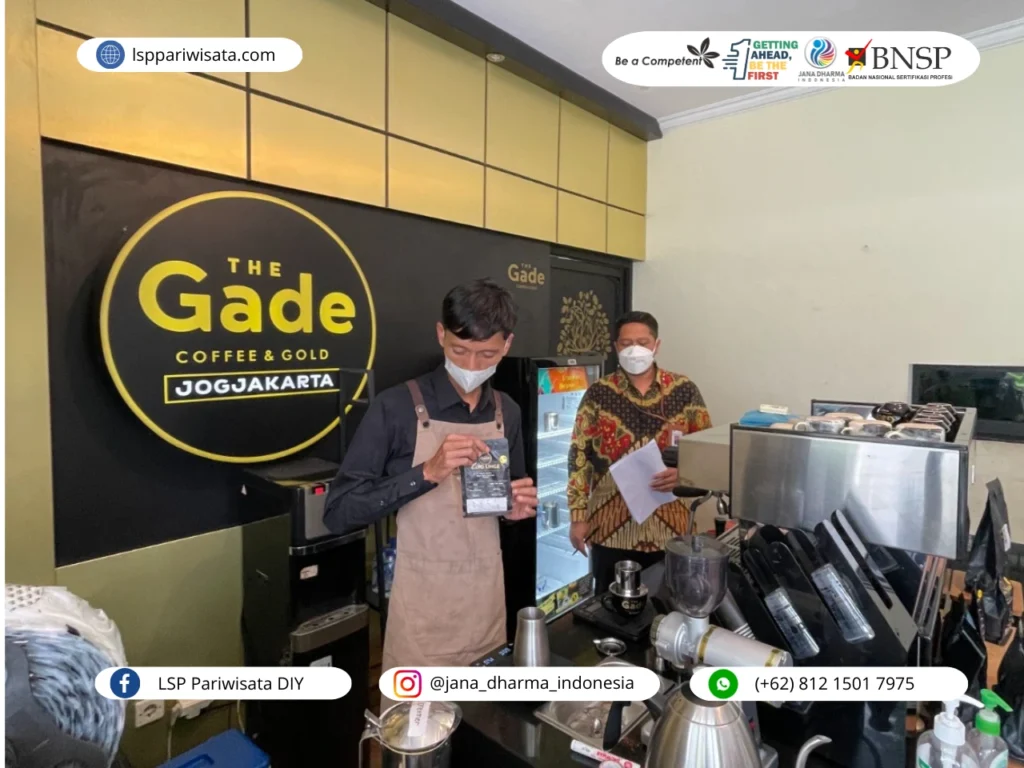
In the rapidly evolving world of coffee, being a barista is no longer just about preparing coffee drinks; it has become an art that requires high levels of skill and creativity. Barista certification is an effective way to develop creative ideas in the coffee industry. This article will explore how barista certification can be a bridge to uncover new creative ideas and enhance the quality of the coffee industry. Mastery of Advanced Barista Techniques Barista certification provides an opportunity to deeply explore coffee-making techniques. By understanding the basics of espresso, milk steaming, and latte art, a barista becomes more skilled and confident in presenting quality coffee. Mastery of these techniques lays a strong foundation for developing creative ideas in coffee presentation. Exploration of Various Coffee Beans and Roasting Methods Through barista certification, one can delve deeper into the world of coffee beans and roasting methods. In-depth knowledge about the differences between Arabica and Robusta beans and understanding how roasting affects flavor opens up opportunities to create unique and distinct coffee blends. This serves as the basis for developing creative ideas in crafting coffee menus. Training in Advanced Latte Art Barista certification also includes training in advanced latte art. The ability to create beautiful patterns on the surface of coffee not only enhances the drink’s aesthetics but also creates an engaging visual experience for customers. By honing this skill, a barista can create unique latte art designs that become the hallmark of their establishment. Knowledge of Barista Tools and Accessories Barista certification goes beyond just coffee-making techniques, introducing baristas to various coffee accessories and tools. In-depth knowledge of grinders, espresso machines, and other tools provides opportunities for experimentation and innovation in coffee presentation. A creative barista can craft different coffee menus using these tools. Understanding Flavor Profiles Barista certification involves understanding how to detect different flavors and coffee profiles. Recognizing nuances like acidity, bitterness, sweetness, and other characteristics allows a barista to create balanced and unique coffee blends. This knowledge enables baristas to explore creative ideas in producing coffee drinks that tantalize customers’ taste buds. Advanced Milk Processing Skills Most coffee drinks involve milk, and barista certification offers opportunities to develop advanced milk processing skills. By mastering milk steaming techniques to achieve perfect texture, a barista can create coffee drinks with smooth and creamy milk layers, opening up possibilities for innovative milk-based drinks. Participation in Barista Competitions Barista certification can also open doors for baristas to participate in competitions. These competitions not only measure technical skills but also provide opportunities for baristas to showcase their creativity in crafting coffee. Competing encourages baristas to innovate and create unique coffee drinks to impress judges and audiences. Involvement in the Barista Community Barista certification often involves membership in a larger barista community. This community offers opportunities to share experiences, ideas, and inspiration with other baristas. By interacting with baristas from various backgrounds, a barista can gain new insights and develop creative ideas that they may not have previously considered. Implementing Zero Waste Concepts With increasing environmental awareness, barista certification also includes the concept of zero waste in coffee service. Creative ideas can emerge in how baristas reduce waste, optimize the use of ingredients, and support environmental sustainability. This not only positively impacts the environment but also adds value to the coffee establishment. Keeping Up with Trends and Innovations Barista certification includes monitoring and understanding the latest trends and innovations in the coffee world. By staying up-to-date with the latest developments, a barista can create coffee menus that respond to changing customer tastes and preferences. The ability to follow trends allows baristas to present fresh and exciting creative ideas. Conclusion Barista certification is not just about obtaining a certificate as proof of technical skills but also opens doors for developing creative ideas in the coffee world. By delving deeper into coffee techniques, latte art, knowledge of coffee beans, and understanding flavor profiles, a barista can create unique and innovative coffee menus. Additionally, through participation in competitions, involvement in the community, and implementing zero waste concepts, a barista can take their creativity to the next level, offering unforgettable coffee experiences to customers. To obtain industry-recognized barista certification, consider joining LSP Pariwisata Jana Dharma Indonesia. By earning a barista certification, you not only become a coffee maker but an artist with professional credibility. Join LSP Pariwisata Jana Dharma Indonesia and prove that you are worthy of becoming a professionally recognized barista in the coffee industry. For further information please contact us through : WhatsApp : +6282322795991 Telephone : 0274 543 761 Instagram : @jana_dharma_indonesia Email : [email protected]
Tour Leader Terbaik Umrah di Bulan Ramadhan
Bidang Hospitality, EN

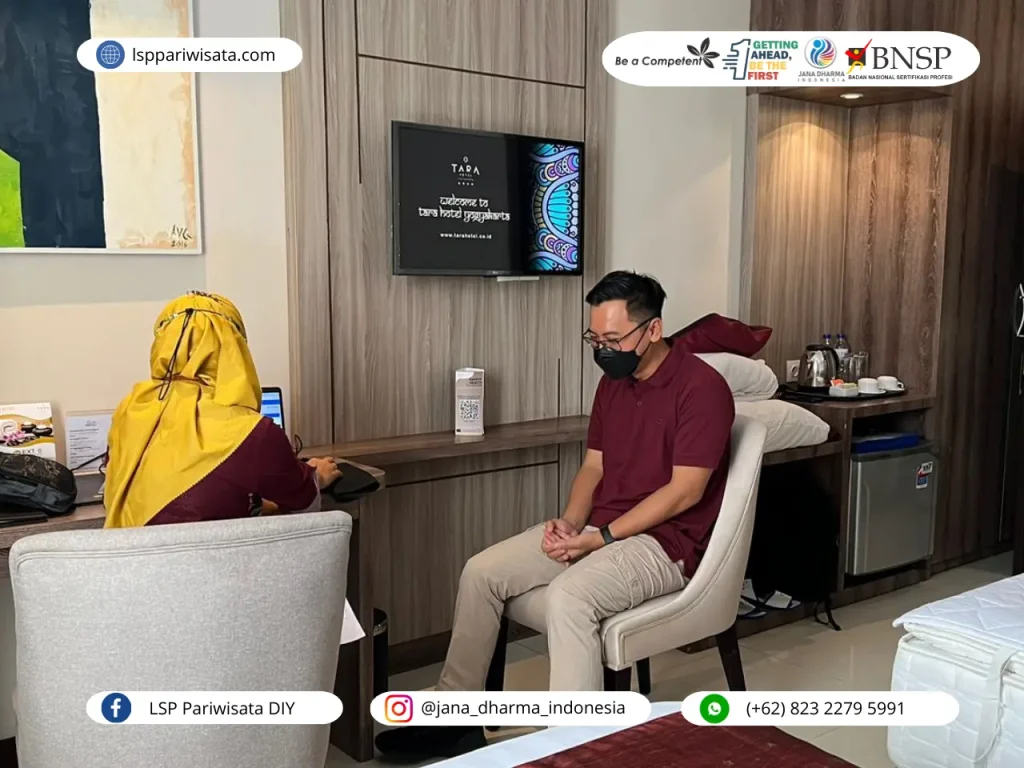
The Central Role of Grooming in Maintaining High Hotel Service Standards

The Central Role of Grooming in Maintaining High Hotel Service Standards – Grooming plays a pivotal role in maintaining exceptional hotel service standards. For a Room Attendant, grooming is not just about looking neat; it’s about creating an unforgettable guest experience. This article explores why grooming is key to success, while also highlighting the certification opportunities for Room Attendants at LSP Pariwisata Jana Dharma Indonesia. The Importance of Grooming for Room Attendants Appearance Influences First Impressions Understanding that first impressions can shape a guest’s perception is the first step in appreciating the importance of grooming. A tidy and clean room not only conveys professionalism but also provides comfort to the guest. Guest Safety and Health Good grooming isn’t just about appearance; it’s also about hygiene. A well-groomed Room Attendant ensures the cleanliness of hotel rooms, which in turn supports the health and safety of the guests. Enhancing Guest Satisfaction When guests feel well-treated and notice the maintained cleanliness, their satisfaction naturally increases. Grooming is a crucial element in achieving high service standards and making guests feel valued. Demonstrating Professionalism and Dedication Consistent grooming reflects a Room Attendant’s commitment to their job. It’s not just about looking good, but also about demonstrating professionalism and dedication to the role. Tips for Effective Grooming as a Room Attendant Effective grooming isn’t just about knowledge; it’s also about practice. Here are some steps that Room Attendants can take: Choosing the Right Uniform A clean and tidy uniform creates a professional impression and can boost the Room Attendant’s confidence. Communication Skills Communicating with guests is a critical skill. Practice speaking politely and warmly. Personal Hygiene Maintenance Ensuring personal cleanliness is essential. Don’t forget to maintain clean hands and nails. Also read: Conclusion In the pursuit of excellence in hotel services, grooming is an aspect that should not be overlooked. Room Attendants who understand the importance of grooming can have a positive impact on the guest experience and enhance the hotel’s reputation. Certification from LSP Pariwisata Jana Dharma Indonesia is an additional step to measure and acknowledge your competence in maintaining exceptional service standards. Discover more about this certification and open up new opportunities in your career as a professional and qualified Room Attendant. For more information and registration, contact us: WhatsApp: +6282322795991 Phone: 0274 543 761 Instagram: @jana_dharma_indonesia Email: [email protected]  

standar operasional prosedur room attendant
Bidang Hospitality, EN

The Importance of Public Area Cleaning Certification

Environmental cleanliness is crucial for creating a comfortable and healthy atmosphere, whether at work or at home. Public Area Cleaning certification offers significant benefits not only in a professional context but also in personal life. Like health education, environmental issues are linear in nature. This is especially true in public facilities, where multiple individuals share the provided amenities. This shared usage impacts the maintenance and durability of facilities, highlighting the need for skilled and certified Public Area Cleaners to ensure proper care and cleanliness. Here are some of the benefits: Benefits of Skilled and Certified Public Area Cleaners Enhancing Skills and Knowledge Public Area Cleaning certification provides an opportunity to learn and understand effective and efficient cleaning techniques. This includes knowledge of appropriate cleaning agents, safe cleaning methods, and proper use of cleaning tools. By enhancing these skills and knowledge, you can perform cleaning tasks more effectively and efficiently. Maintaining Health and Environmental Cleanliness Environmental cleanliness has a direct impact on our health and well-being. With Public Area Cleaning certification, you will be able to clean public spaces such as offices, schools, or other public facilities more effectively. This helps prevent the spread of disease, reduces the risk of contamination, and creates a healthier environment for everyone. Increasing Productivity and Quality of Work A professional with Public Area Cleaning certification tends to be more skilled in carrying out cleaning tasks. They have a better understanding of efficient and effective cleaning techniques and recognize the importance of maintaining environmental cleanliness and health. This can lead to increased work productivity and overall improvement in the quality of the work performed. Expanding Career Opportunities Public Area Cleaning certification is a credential that can boost your confidence when seeking a job or advancing in the field of environmental cleanliness and maintenance. Having this certification can make you more attractive to companies or organizations that need trained personnel in cleaning and environmental maintenance. Contributing to a Cleaner and Healthier Environment By becoming an expert in environmental cleaning, you not only help create a clean and healthy environment for yourself but also for the surrounding community. Through regular and effective cleaning practices, you can contribute to maintaining a cleaner, greener, and more sustainable environment for future generations. If you’re interested in enhancing your skills in Public Area Cleaning and reaping the benefits outlined above, don’t hesitate to pursue Public Area Cleaning certification at LSP Jana Dharma Indonesia. This certification offers comprehensive training, guidance from experienced instructors, and widely recognized accreditation, all of which will help you succeed in your career in cleanliness and environmental maintenance. For more information, contact us: WhatsApp: +6281215017975 Phone: 0274 543 761 Instagram: @jana_dharma_indonesia Email: [email protected]

Scroll to Top