EN

Logistics Event Coordinator Certification LSP Pariwisata Jana Dharma Indonesia help boost your caree in event
Bidang MICE, Blog, EN

Logistics Event Coordinator Certification: Unlock Your Path to Success in Event Planning!

Are you ready to elevate your career in the world of event planning? Becoming a Logistics Event Coordinator could be the key to unlocking exciting opportunities in a dynamic and fast-paced industry. Planning a successful event involves much more than just organizing activities. It’s about managing the entire logistical process. From coordinating transportation to overseeing equipment, every detail matters. In this article, we’ll explore the essential role of a Logistics Event Coordinator, the skills you need, salary expectations, and how the Logistics Event Coordinator Certification can set you on the path to success. What Does a Logistics Event Coordinator Do? A Logistics Event Coordinator is responsible for managing and organizing all logistical aspects of an event, ensuring everything runs smoothly. Their job involves planning and coordinating multiple tasks, such as transportation, venue selection, equipment management, catering, and safety measures, to name just a few. Here are some key duties and responsibilities of a Logistics Event Coordinator: 1. Transportation and Accommodation Management A crucial aspect of event logistics is coordinating transportation for participants and the event team. The Logistics Event Coordinator must select a venue that is easily accessible, ensure there are nearby accommodation options for attendees, and work closely with transport service providers to avoid delays. 2. Venue Selection Choosing the right venue is fundamental to the success of an event. A Logistics Event Coordinator must ensure that the venue can comfortably accommodate the expected number of attendees and that it offers adequate facilities. The venue should also be accessible to participants with special needs. 3. Equipment and Technology Booking From sound systems to projectors, the logistics coordinator is responsible for reserving all necessary equipment for the event. They must ensure that the technology meets the requirements for presentations, performances, and other event needs. Proper checks must be carried out to ensure everything functions as planned. 4. Catering and Refreshments Food plays an important role in any event. A Logistics Event Coordinator must plan catering carefully, taking into account dietary restrictions and providing options for all attendees. Additionally, offering refreshments throughout the event keeps participants energized and engaged. 5. Security and Medical Services Ensuring the safety and security of participants is paramount. A Logistics Event Coordinator is responsible for arranging security services and ensuring that medical staff are on standby for emergencies. They must also ensure that all necessary safety permits and regulations are adhered to. 6. Time Management Time management is critical for a successful event. A Logistics Event Coordinator must develop a strict schedule, ensuring all teams are informed about the timing and location of their respective activities. This helps avoid unnecessary delays and ensures the event runs efficiently. Average Salary of a Logistics Event Coordinator in Indonesia Entry-Level (0–2 years of experience): Approximately IDR 5,000,000 to IDR 8,000,000 per month. Mid-Level (3–5 years of experience): Around IDR 8,000,000 to IDR 12,000,000 per month. Senior-Level (6+ years of experience): Can earn IDR 12,000,000 to IDR 20,000,000 per month, especially in major cities like Jakarta or Bali. Key Skills and Qualifications for a Logistics Event Coordinator To be successful as a Logistics Event Coordinator, certain skills and qualifications are essential. These include: 1. Strong Organizational Skills Logistics Event Coordinators must juggle multiple tasks at once, so being highly organized is key. This includes managing schedules, budgets, and coordinating with various teams to ensure everything runs smoothly. 2. Attention to Detail Even the smallest oversight in event logistics can lead to major disruptions. Coordinators need to be detail-oriented to ensure every aspect of the event is covered, from venue setup to catering and transportation. 3. Problem-Solving Abilities Unexpected issues can arise during events, such as transportation delays or technical difficulties. A Logistics Event Coordinator must be able to think quickly and find solutions to problems as they occur. 4. Communication Skills Clear and effective communication is essential for coordinating with vendors, team members, and participants. Logistics Event Coordinators must be able to convey information clearly, ensuring everyone is on the same page. 5. Knowledge of Event Management Software Many Logistics Event Coordinators rely on event management software to streamline the coordination of logistics. Familiarity with tools such as Trello, Asana, or specialized event software is beneficial. How the Logistics Event Coordinator Certification Can Boost Your Career? Given the complexity of logistics in event planning, obtaining a Logistics Event Coordinator Certification can significantly enhance your career prospects. By gaining certification, you will demonstrate your expertise in managing logistics for events and gain the necessary skills to excel in this field. LSP Pariwisata Jana Dharma Indonesia offers a comprehensive Logistics Event Coordinator Certification that equips you with the tools, techniques, and knowledge required to thrive in event logistics management. The program is designed for individuals looking to advance their careers in event coordination and logistics management, helping you stand out in a competitive job market. Benefits of Certification Enhanced Credibility A certification validates your skills and demonstrates to potential employers that you are a qualified professional in logistics management. Increased Job Opportunities Certification opens doors to higher-level positions in event management, both in local and international markets. It can help you secure jobs with higher salaries and more responsibilities. Professional Growth The certification program offers in-depth training, helping you gain a deeper understanding of event logistics and develop specialized skills in the field. Take the Next Step with LSP Pariwisata Jana Dharma Indonesia Becoming a certified Logistics Event Coordinator is an excellent way to elevate your career in event planning. By gaining certification from LSP Pariwisata Jana Dharma Indonesia, you will be equipped with the expertise to handle all aspects of logistics, from transportation to catering and security. With this certification, you will be well-prepared to tackle the challenges of event logistics and contribute to the success of future events. If you are ready to take your career to the next level, consider enrolling in the Logistics Event Coordinator Certification program at LSP Pariwisata Jana Dharma Indonesia. Don’t miss out on the opportunity to advance your skills and enhance your professional
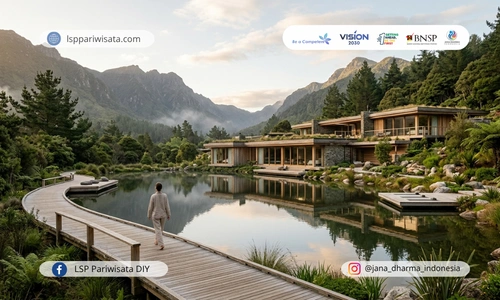
Wellness tourism consulting helps you design itineraries for your vacation
Bidang Konsultan Travel, Blog, EN

Wellness Tourism Consulting: Designing Destinations for Mental Health Recovery

Designing Destinations for Mental Health Recovery Wellness tourism has undergone a major transformation in recent years. What was once limited to “spas and massages” has evolved into a holistic approach that touches the physical, mental, and spiritual aspects of visitors. In 2025, mental health recovery has become the primary focus in wellness destination development. We’ve observed that the most successful wellness destinations are those that combine quality facilities with meaningful experiences. Recent studies confirm that wellness tourism utilizing symbolic cultural experiences has a proven positive influence on the mental health recovery process. This aligns perfectly with what we’ve found in the field. The Solo-Jogja region possesses extraordinary potential for wellness destination development. The combination of rich Javanese culture, stunning natural landscapes, and local healing traditions creates a perfect foundation for wellness tourism. Research involving 400 international tourists shows significant changes in wellness tourist preferences post-pandemic, with greater emphasis on mental recovery experiences. However, designing effective wellness destinations requires specialized expertise and a deep understanding of various aspects of wellness tourism. Increasing Demand Over the Last 3 Years for Wellness Tourism Since the pandemic subsided, we’ve witnessed a surge in demand for more meaningful wellness experiences. Contrary to initial forecasts, this trend has continued to strengthen through 2025. One indicator is the rapid growth of the beauty and skincare industry in Indonesia, particularly those connected with wellness tourism. Today’s travelers seek more than traditional spa experiences. They want journeys with long-term therapeutic effects. In the Solo-Jogja region, several destinations have developed into impressive wellness tourism centers: Surakartea Tea House in Solo has developed a wellness tourism concept based on local tea-drinking traditions. This venue combines tea experiences with meditation sessions and workshops on ancient Javanese philosophy related to life balance. Many professionals from major cities specifically come to Solo for weekend retreats here. Borobudur Mindfulness Retreat near Jogja offers digital detox programs that combine meditation around historic temples, wellness coaching, and nature therapy. The experience of watching the sunrise at Borobudur while meditating has become a major attraction that’s difficult to forget. Merapi Healing Center utilizes the natural energy of Mount Merapi for holistic recovery programs. Their therapeutic programs integrate traditional Javanese healing practices with modern therapies, including art therapy and ecotherapy. These programs are particularly effective for workers with high stress levels. The success of these destinations is rooted in a deep understanding of wellness tourism and the specific needs for mental health recovery. This is exactly what we teach in our tourism consultant certification program at LSP Pariwisata Jana Dharma Indonesia. Our certification program provides a comprehensive understanding of current trends in tourism, destination development strategies, and skills for designing meaningful experiences. Interestingly, the certification process at LSPP Jana Dharma Indonesia has a flexible schedule so you can adjust your time according to your needs. With certification from BNSP, you not only gain credibility as a tourism consultant but also access to an extensive professional network in the wellness tourism industry. Wellness Tourism Consulting Strategies for Mental Health Recovery Based on our experience, here are several effective strategies for developing wellness destinations focused on mental recovery: Integrate local wisdom with modern wellness practices – This combination creates unique, authentic experiences. For example, yoga retreats combined with the Javanese philosophy of “Hamemayu hayuning bawono” (maintaining harmony with nature). Design restorative environments – Wellness tourism is often mistakenly associated with medical tourism, yet they are different segments of health tourism. Focus on creating environments that naturally aid recovery. Offer meaningful digital detox programs – It’s not enough to simply ban gadget use. Provide attractive alternative activities, such as local craft workshops or guided nature exploration. Develop wellness culinary experiences – Local food prepared with organic ingredients and presented with cultural context creates a holistic experience that touches more than just taste. Focus on sustainability – Like the development of trekking tourism in the Bengawan Solo valley based on ecological preservation, wellness destinations must also consider sustainability aspects. In our experience, many property developers or resort owners focus too much on the physical aspects of wellness tourism. Luxury spas, infinity pools, hotel rooms with beautiful views, but pay less attention to transformative experiences. Yet this is precisely where the main value of wellness tourism lies. Becoming a Certified Wellness Tourism Consultant If you’re inspired by the tremendous potential of wellness tourism, especially for mental health recovery, consider pursuing a career as a certified tourism consultant. The wellness tourism industry continues to grow in Indonesia, with high demand for professionals who understand the ins and outs of this industry. Certification from LSP Pariwisata Jana Dharma Indonesia provides a competitive advantage in this growing market. Our certification program covers various aspects of wellness tourism, including: Analysis of market trends and developments Destination development strategies Marketing and branding for tourism Development tourism programs Sustainability practices in tourism In our program, you not only learn theory but also gain practical experience. A career in this field is not only financially promising but also provides satisfaction in seeing how the destinations you develop help many people find better mental balance. The Future of Wellness Tourism in Indonesia Looking ahead, we believe wellness tourism will continue to be one of the fastest-growing tourism segments in Indonesia. With its rich culture, healing traditions, and abundant natural beauty, Indonesia. Especially the Solo-Jogja region has all the potential to become a world-class wellness destination. In this post-pandemic era, awareness of the importance of mental health is higher than ever. Many people are seeking ways to manage stress and fatigue. Wellness tourism offers a solution: vacations that are not only enjoyable but also healing and transformative. As a professional in the tourism industry, you have the opportunity to be part of this change. With certification from LSP Pariwisata Jana Dharma Indonesia, you will have the knowledge and skills necessary to succeed in this promising field. Join the Wellness Tourism Revolution Now! Wellness tourism represents a fundamental transformation in how we travel and maintain mental health. In Solo-Jogja, the potential to develop

Learning to Organizing Participants During The Trip for a Tour Leader with LSP Pariwisata JDI
Bidang Guide, Blog, EN

Managing Tour Participants for Professional Tour Leaders : Here’s a Tip!

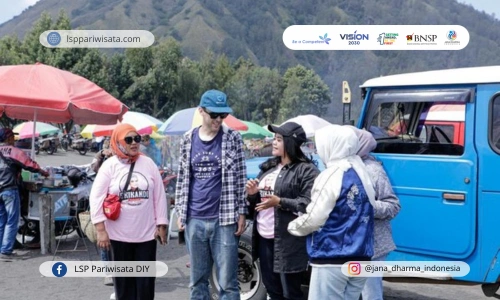
As a Tour Leader, efficiently managing travel participants is key to providing a smooth and satisfying travel experience for everyone involved. This article offers practical tips to help Tour Leaders manage their participants effectively during a trip, ensuring a fun and memorable experience for all. Here is a tip in organizing participants during the trip for a Tour Leader: 1. Effective Communication Clear and consistent communication with participants is essential before, during, and after the trip. Provide detailed information about the travel itinerary, schedule, meeting points, and safety procedures to avoid confusion and ensure everyone is on the same page. 2. Proper Transportation Arrangements Ensure that the chosen transportation fits the number of participants. Check the comfort, facilities, and safety of the transport to ensure it meets regulatory standards and provides a pleasant travel experience. 3. Establish Rules and Expectations Lay out group rules and expectations at the beginning of the trip, such as policies regarding lateness, alcohol consumption, and emergency actions. Make sure everyone understands and agrees to these guidelines to avoid issues during the journey. 4. Provide Destination Information Offer relevant information about the destination, including its history, culture, and main attractions. This helps participants plan and fully enjoy their travel experience. 5. Organize Group Activities Plan joint activities, such as city tours, visits to tourist attractions, and social events. These foster interaction among participants, enriching their travel experience. 6. Maintain Openness and Flexibility Be open to changes in the plan and ready to adapt to any unexpected situations during the trip. Flexibility in handling problems or adjustments will help maintain a positive atmosphere and reduce stress for participants. 7. Facilitate Communication Between Participants Encourage participants to interact and build relationships, making the journey more enjoyable. This can be done through social events, games, or group discussions. 8. Ensure Participant Well-being Make sure all participants feel comfortable and safe throughout the trip. Provide extra support for those with special needs, such as participants with mobility issues or other specific requirements. 9. Maintain Service Quality Ensure that all services, such as accommodations, food, and tour guides, meet participants’ expectations. Recommend high-quality locations that suit their preferences. 10. Evaluation and Feedback At the end of the trip, ask for feedback from participants to evaluate their experience. This feedback will help you improve future services and tailor travel programs to better meet participant needs. Why Tour Leader Certification from LSPP Jana Dharma Indonesia is Important? Organizing Participants During The Trip for a Tour Leader is very important. Therefore, the Tour Leader Certification from LSPP Jana Dharma Indonesia provides comprehensive training in travel management and leadership skills required to become a successful Tour Leader. It also gives access to a professional network and wider job opportunities within the tourism industry. By following these tips and enrolling in Tour Leader Certification from LSPP Jana Dharma Indonesia, you can better manage your travel participants and deliver unforgettable experiences. So, take the next step to advance your career in this exciting tourism industry! For further information please contact us through : WhatsApp: +62 851 9163 0530 atau  +62 821 3723 1768 Phone: (0274) 543 761 Email: [email protected] Instagram: @jana_dharma_indonesia Lembaga Sertifikasi Profesi (LSP) Pariwisata Jana Dharma Indonesia Offline Office: Jl. Arimbi No.01, Kragilan, Sinduadi, Kec. Mlati, Kabupaten Sleman, Daerah Istimewa Yogyakarta

Peningkatan Keamanan dan Kenyamanan Wisatawan Melalui Tour Leader Bersertifikat
Bidang Guide, Blog, EN

Tour Guide Professional Certification 2024: Improving Service Quality

Yogyakarta, with its rich culture, ancient temples, stunning landscapes, and vibrant atmosphere, is one of Indonesia’s top travel destinations. Whether you’re visiting for the first time or returning to explore more, hiring a private tour guide in Yogyakarta can make your trip more enjoyable and memorable. A private guide offers a customized travel experience tailored to your preferences, providing a deeper understanding of the city’s history, culture, and hidden gems. In this article, we’ll explore the benefits of hiring a private tour guide, the top attractions to visit, and tips on choosing the right guide for your adventure in Yogyakarta. Benefits of Hiring a Private Tour Guide in Yogyakarta When traveling to a new city, especially one as rich in culture as Yogyakarta, a private tour guide can significantly enhance your experience. Here are some key benefits of booking a private tour guide: 1. Personalized Experience A private tour guide in Yogyakarta ensures that your tour is tailored to your interests and preferences. Whether you’re interested in exploring ancient temples, hiking around Mount Merapi, or discovering Yogyakarta’s local cuisine, a private guide will design an itinerary that matches your needs. This flexibility allows you to visit places that may not be included in group tours, making your journey more unique and personal. 2. Expert Knowledge Private tour guides are local experts with in-depth knowledge about Yogyakarta’s history, culture, and landmarks. From the majestic Borobudur Temple to the lively Malioboro Street, your guide will provide you with fascinating insights and stories that you wouldn’t typically find in a guidebook. This expert commentary enhances your understanding and appreciation of each site you visit. 3. Skip the Crowds With a private guide, you can avoid the large crowds typically found in popular tourist attractions. Your guide can take you to hidden gems, quieter spots, and less-visited temples, ensuring a more peaceful and intimate experience. If you’re visiting iconic sites like Borobudur or Prambanan, a private tour can help you bypass long lines and enjoy the places at your own pace. 4. Convenience and Comfort Hiring a private tour guide means you won’t need to worry about transportation, navigating the city, or finding your way to obscure attractions. The guide will handle all logistics, from arranging comfortable transportation to ensuring you have the right entry tickets. This stress-free experience allows you to fully immerse yourself in the beauty of Yogyakarta without any distractions. Read More: Sustainability and Inclusivity Approaches in Museum Tour Guide Services: Creating Memorable Visitor Experiences Top Attractions You Can Visit with a Private Tour Guide in Yogyakarta Yogyakarta is home to numerous incredible attractions that are best experienced with a knowledgeable guide. Here are some of the must-visit sites when booking a private tour guide in Yogyakarta: 1. Borobudur Temple One of the most iconic landmarks in Indonesia, Borobudur is a UNESCO World Heritage Site and the largest Buddhist temple in the world. A private guide can take you through the history of this ancient monument, explaining its intricate carvings and spiritual significance. Your guide can also help you time your visit to catch the breathtaking sunrise over the temple. 2. Prambanan Temple Prambanan is another UNESCO World Heritage Site, known for its towering Hindu temples dedicated to the gods Shiva, Vishnu, and Brahma. A private guide will provide insights into Hindu mythology, the temple’s architectural details, and its cultural importance. This historical site is a must-see for anyone visiting Yogyakarta. 3. Kraton Yogyakarta (The Royal Palace) Explore the majestic Kraton, the royal palace of Yogyakarta’s Sultan. A private guide will take you through the palace’s impressive architecture and gardens while sharing fascinating stories about the Sultan’s history and the Javanese royal family. Don’t miss the opportunity to learn about the traditional court ceremonies and royal culture. 4. Mount Merapi For adventure lovers, a hike around Mount Merapi, one of the most active volcanoes in Indonesia, is a thrilling experience. A private tour guide will not only lead you on a safe trek but also explain the geology of the region and the history of past eruptions. You can also opt for a jeep tour around the volcano’s slopes, where the guide will point out key landmarks from previous eruptions. 5. Taman Sari Water Castle This historical site was once a royal garden and bathing complex for the Sultan. A private guide can take you through the maze of tunnels and pools, explaining the fascinating history and symbolism behind this beautiful palace. Taman Sari is often less crowded than other attractions, making it an ideal spot for a more relaxed, private tour experience. 6. Malioboro Street Malioboro is the heart of Yogyakarta’s shopping and cultural scene. With a private tour guide, you can explore this bustling street with a focus on local handicrafts, street food, and authentic Javanese experiences. Your guide can help you navigate the best spots for souvenirs, art, and local delicacies. Read More: Exploring the Benefits of Geotourism for Local Tour Guides and Its Positive Impact on Tourist Sites How to Choose the Right Private Tour Guide in Yogyakarta Choosing the right private tour guide in Yogyakarta is essential for making the most out of your visit. Here’s how to select the best guide for your needs: 1. Check Qualifications Ensure that your guide is a licensed professional with certifications, such as from the Indonesian Ministry of Tourism. A certified guide will have the necessary knowledge and experience to provide you with a safe and informative tour. 2. Read Reviews and Testimonials Look for reviews on trusted platforms like Google, TripAdvisor, or social media to get an idea of the guide’s reputation. Positive feedback from previous clients can help you gauge the quality of their service and expertise. 3. Specialization Different tour guides may specialize in different areas. Some may focus on history, others on adventure, while others may provide culinary tours. Choose a guide who offers the type of experience you’re looking for, whether it’s cultural, natural, or culinary. 4. Language Skills Ensure that your guide

tips making winning proposal for bidding specialist
Bidang MICE, Blog, EN

Tips and Tricks for Developing a Winning Proposal as Bidding Specialist

As a bidding specialist, the ability to create a compelling and competitive proposal is crucial. A well-crafted proposal not only helps secure projects but also reflects the professionalism and competence of the bidding specialist. Here are some tips and tricks to help develop an effective bid proposal: 1. Understand the Client’s Needs and Criteria The first step in creating a successful proposal is to fully understand the client’s needs and criteria. This includes gaining a deep understanding of the project, the client’s goals, timelines, budget, and the evaluation criteria the client will use to select the winning bid. By thoroughly grasping these aspects, a bidding specialist can tailor their proposal to meet the client’s specific requirements. 2. Demonstrate In-Depth Knowledge of the Project A key to making your proposal stand out is showcasing a clear understanding of the project. This involves articulating the project’s vision and objectives and offering specific, detailed solutions to address the client’s needs. The proposal should demonstrate that the bidding specialist has the knowledge and experience required to handle the project efficiently. 3. Use Clear and Engaging Language The language used in a bid proposal is critical. Bidding specialists should ensure their proposals are written in clear, professional, and engaging language to stand out from the competition. Avoid excessive jargon or overly technical language, and present information in a way that is easy for the client to comprehend. 4. Highlight Competitive Advantages Every proposal should emphasize the unique strengths of the bidding specialist or the company they represent. This can include relevant experience, certifications, a strong track record, or other advantages that set them apart from competitors. Highlighting these strengths can convince clients that you are the best choice for the project. 5. Provide a Detailed Work Plan An effective proposal should outline a clear and detailed work plan. This includes specifying the steps that will be taken to complete the project, the proposed timeline, the roles and responsibilities of the project team, and the methods for evaluating and reporting progress. A well-structured work plan reassures the client that you have a solid understanding of how the project will be executed. 6. Include References and Proof of Performance Support your proposal with references and evidence of past performance. This can include client testimonials, case studies of successful projects, or awards and recognitions you’ve received. Providing concrete proof of your performance builds trust with potential clients and increases your chances of winning the project. Boost Your Career as Bidding Specialist with LSP Pariwisata Jana Dharma Indonesia Developing an effective proposal is a key skill for any bidding specialist. By thoroughly understanding the client’s needs, demonstrating project knowledge, using clear language, emphasizing competitive advantages, presenting a detailed work plan, and including supporting evidence, you can increase your chances of success and establish a reputation as a trusted and competent professional. These strategies will help you craft proposals that not only stand out but also resonate with clients, leading to more project wins and professional growth. To validate your skills, LSPP JDI will help you obtain Bidding Specialist certification to boost your career as a Bidding Specialist For free consultation and certification submission services, please contact: WhatsApp: +62 851 9163 0530 atau  +62 821 3723 1768 Telepon: (0274) 543 761 Email: [email protected] Instagram: @jana_dharma_indonesia Lembaga Sertifikasi Profesi (LSP) Pariwisata Jana Dharma Indonesia offline office: Jl. Arimbi No.01, Kragilan, Sinduadi, Kec. Mlati, Kabupaten Sleman, Daerah Istimewa Yogyakarta

differences-between-waiter-and-waitress
Bidang Hospitality, Blog, EN

Unveiling the Differences Between a Waiter and a Waitress in the Tourism Industry

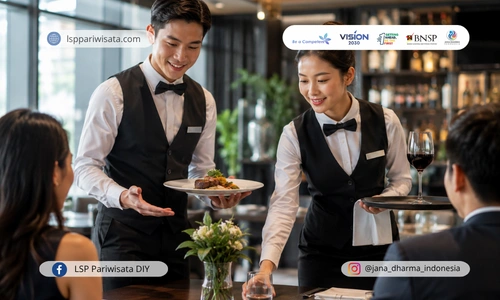
In the tourism and hospitality industry, servers play a crucial role in delivering a satisfying customer experience. Two common positions in this field are waiters and waitresses. While their duties may seem similar, there are some noteworthy differences between them. Key Differences Between Waiter and Waitress: 1. Gender The most obvious difference between a waiter and a waitress is the gender. A waiter refers to a male serving staff, while a waitress refers to a female serving staff. Despite this difference, their job responsibilities are nearly identical. Both roles involve taking orders, serving food and drinks, and ensuring customers have a pleasant dining experience. 2. Attire and Appearance While both waiters and waitresses wear uniforms, the specific attire may differ slightly depending on the establishment. A waiter may wear a more formal uniform, like a shirt and tie, whereas a waitress might wear something that reflects the style of the restaurant but can still be formal or semi-formal. However, uniform requirements vary greatly depending on the type of restaurant or cafe. 3. Training and Skills Both roles require specialized skills such as customer service, managing orders, and maintaining professionalism in a fast-paced environment. Depending on the specific requirements of the job, additional training may be offered to either position. 4. Communication and Social Skills Both waiters and waitresses must have excellent communication and interpersonal skills. Their job is to ensure that the guests are happy, address any concerns, and maintain a friendly attitude. In many cases, there are no differences in how waiters and waitresses interact with customers, but some establishments may have subtle preferences or expectations based on customer demographics. 5. Task Specialization Some restaurants may assign specific tasks differently between waiters and waitresses. For example, waiters may handle beverage service, while waitresses may focus more on food orders. However, these distinctions vary depending on the establishment’s policies. 6. Physical Demands Both roles can be physically demanding, requiring long hours of standing, walking, and sometimes carrying heavy trays. In some restaurants, waiters might be assigned tasks that involve lifting heavier objects, while waitresses may be assigned lighter duties. However, this varies based on workplace policies and expectations. Get Your Certification at LSP Pariwisata Jana Dharma Indonesia In the hospitality industry, the differences between waiters and waitresses extend beyond gender and can include variations in attire, training, and specific responsibilities. Ultimately, success in this field depends on the skills, dedication, and exceptional service provided by each team member, regardless of gender or job title. LSP Pariwisata Jana Dharma Indonesiaoffers specialized certification programs for individuals seeking to enhance their skills in the tourism industry. These programs cover in-depth knowledge of the duties of a waiter or waitress and help participants sharpen their interpersonal and customer service skills. By enrolling in a certification program at LSP Pariwisata Jana Dharma Indonesia, individuals can not only improve their qualifications but also gain access to a broad professional network and better career opportunities. This certification can make one a more competent and recognized server in the competitive tourism industry.   Untuk pendaftaran sertifikasi atau konsultasi gratis, kamu dapat menghubungi: CS WhatsApp  : 0813-8058-460 Telp              : 0274 543 761 Instagram  : @jana_dharma_indonesia Email           : [email protected] Alamat Kantor Lembaga Sertifikasi Profesi (LSP) Pariwisata Jana Dharma Indonesia: Jl. Arimbi No.01, Kragilan, Sinduadi, Kec. Mlati, Kabupaten Sleman, Daerah Istimewa Yogyakarta

museum-guide-certification
Bidang Guide, Blog, EN

5 Interpersonal Skills Museum Guides Must Have

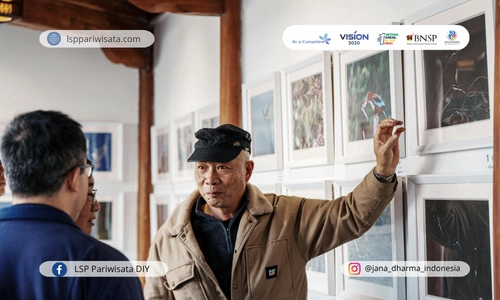
Museum guides play a crucial role in delivering engaging and enriching experiences for visitors, connecting them to the exhibits and the stories behind them. Strong interpersonal skills are key to becoming an effective and satisfying museum guide. These skills are the ability to communicate clearly and effectively with others so that the message can be well-received and understood. Interpersonal skills involve understanding the emotions, gestures, and needs of the audience while being able to convey information in a timely and clear manner. This is particularly important for museum guides, whose job revolves around communication. In this article, we will explore some of the essential interpersonal skills for museum guides. 1. Communication Skills Effective communication is the most important skill a museum guide must possess. They need to deliver information in a clear and engaging way, both verbally and in writing. This involves using easy-to-understand language, clear pronunciation, and storytelling to make the experience captivating for the audience. 2. Empathy and Open-mindedness Empathy plays a critical role when interacting with a wide range of museum visitors. Guides should understand and respond to the needs, interests, and questions of their audience with full attention. Open-mindedness is also crucial, as it helps guides relate to visitors from different backgrounds, perspectives, and experiences, fostering positive relationships. 3. Questioning and Listening Skills A good museum guide must be skilled in asking effective questions that encourage visitor interaction and reflection. Additionally, being a good listener is essential. They need to give full attention to visitors and respond to their questions or concerns thoughtfully, creating a welcoming and inclusive museum environment. 4. In-depth Knowledge Deep knowledge of the museum’s collections and their historical context is invaluable for guides. They need to understand the stories behind each artifact and how to connect them with the broader historical context, ensuring they provide visitors with informative and enriching tours. 5. Creativity in Presentation Creativity sets apart excellent guides from ordinary ones. The ability to present information in a unique and engaging way can make the museum experience more memorable for visitors. Museum guides should use a variety of presentation techniques, such as visual storytelling, role-playing, or live demonstrations, to make tours more engaging. Take Your Career to the Next Level with LSPP JDI Certification! Completing a professional certification for museum guides at LSPP Jana Dharma Indonesia is the right step for guides looking to enhance their interpersonal skills and professionalism in this field. The certification program offers comprehensive training on various aspects of guiding, including communication skills, collection knowledge, and effective presentation strategies. By earning this certification, museum guides receive official recognition for their skills and expertise, boosting their confidence in interacting with visitors and creating unforgettable museum experiences. So don’t hesitate—register now and begin your journey to becoming a skilled and professional museum guide!   Untuk pendaftaran sertifikasi atau konsultasi gratis, kamu dapat menghubungi: CS WhatsApp  : 0813-8058-460 Telp              : 0274 543 761 Instagram  : @jana_dharma_indonesia Email           : [email protected] Alamat Kantor Lembaga Sertifikasi Profesi (LSP) Pariwisata Jana Dharma Indonesia: Jl. Arimbi No.01, Kragilan, Sinduadi, Kec. Mlati, Kabupaten Sleman, Daerah Istimewa Yogyakarta

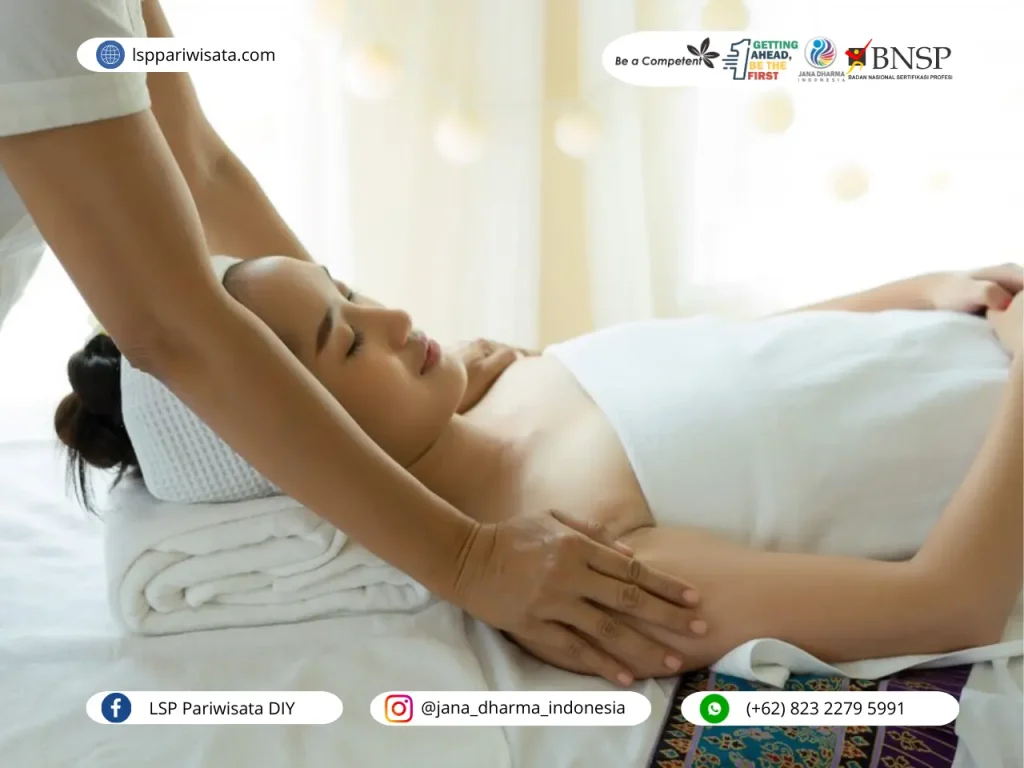
Peran terapis spa dalam pemijatan kehamilan efektif
Bidang Guide, Blog, EN

Get to Know Bleisure in Tourism

The tourism industry continues to evolve, responding to the shifting needs of modern travelers. One of the emerging trends making waves is bleisure, a combination of business travel and leisure activities. What exactly is bleisure tourism, and why has it gained popularity among professionals? Let’s dive into this fascinating concept! What Is Bleisure Tourism? Bleisure—a blend of the words “business” and “leisure”, refers to trips that combine work obligations with personal leisure time. This trend allows travelers to attend meetings, conferences, or other business-related events while extending their stay to explore local attractions and unwind. With a focus on work-life balance, bleisure has become a preferred choice for professionals looking to maximize the value of their business trips. More than that, it’s not just about getting the job done; it’s about creating enriching experiences along the way. Why Is Bleisure Gaining Popularity? The rise of remote work and flexible schedules has fueled the popularity of bleisure. Beyond its convenience, this travel style offers a range of benefits: Enhanced Productivity and Well-Being Combining work with relaxation reduces stress, enabling professionals to return to work refreshed and more focused. Moreover, the balance between work and leisure allows individuals to maintain their mental and physical health while achieving work goals. As a result, professionals report feeling more energized and motivated after taking bleisure trips, which ultimately boosts overall job satisfaction and long-term productivity. Cost-Effectiveness Travel expenses are often partially covered by the employer, making it an economical way to experience new destinations. This financial benefit allows employees to enjoy vacations that would otherwise be too costly while maintaining their work obligations. Additionally, by combining business and leisure travel, individuals can extend their trips without incurring the full cost of a traditional vacation, thus maximizing the value of their travel. Networking Opportunities Bleisure trips allow travelers to connect with local professionals and build valuable relationships beyond the office. These opportunities often extend to informal settings, such as dinners or social events, where stronger and more personal connections are made. As a result, bleisure travelers are able to expand their professional network in a relaxed and authentic environment. This could lead to potential collaborations and career advancement. Cultural Immersion Experiencing local culture and attractions adds depth to the trip, making it memorable and inspiring. By taking time to explore new destinations, bleisure travelers gain a better understanding of different cultures, which can foster creativity and broaden their perspectives. This cultural exposure not only enriches their personal lives, but can also enhance their professional work. Especially for those in international business or industries that value diverse viewpoints. The Role of Tour Guides in Bleisure Tourism A knowledgeable tour guide plays a crucial role in enhancing the bleisure experience. They provide tailored itineraries that maximize limited free time, ensuring travelers make the most of their leisure activities while fulfilling work commitments. Also read: Mengenal Pengertian MICE dalam Industri Pariwisata Take Your Career Further as a Certified Tour Guide If you’re passionate about tourism and wish to become a trusted professional in the industry, consider obtaining a Tour Guide Certification. At LSP Pariwisata Jana Dharma Indonesia, certification is not about training but about testing and validating your skills to meet industry standards. With this credential, you can boost your credibility and stand out in the competitive tourism market. Conclusion Bleisure tourism bridges the gap between work and play, offering a fulfilling way to travel for business professionals. Supported by skilled tour guides, these journeys can transform routine trips into meaningful adventures. Whether you’re a traveler or an aspiring tour guide, the world of bleisure is ripe with opportunities to explore, connect, and grow. Untuk informasi dan pendaftaran, hubungi kami: WhatsApp : (+62)82322795991 Telp : 0274 543 761 Instagram : @jana_dharma_indonesia Email : [email protected]

Scroll to Top