
EN

Bidding Specialist
Bidang MICE, Blog, EN

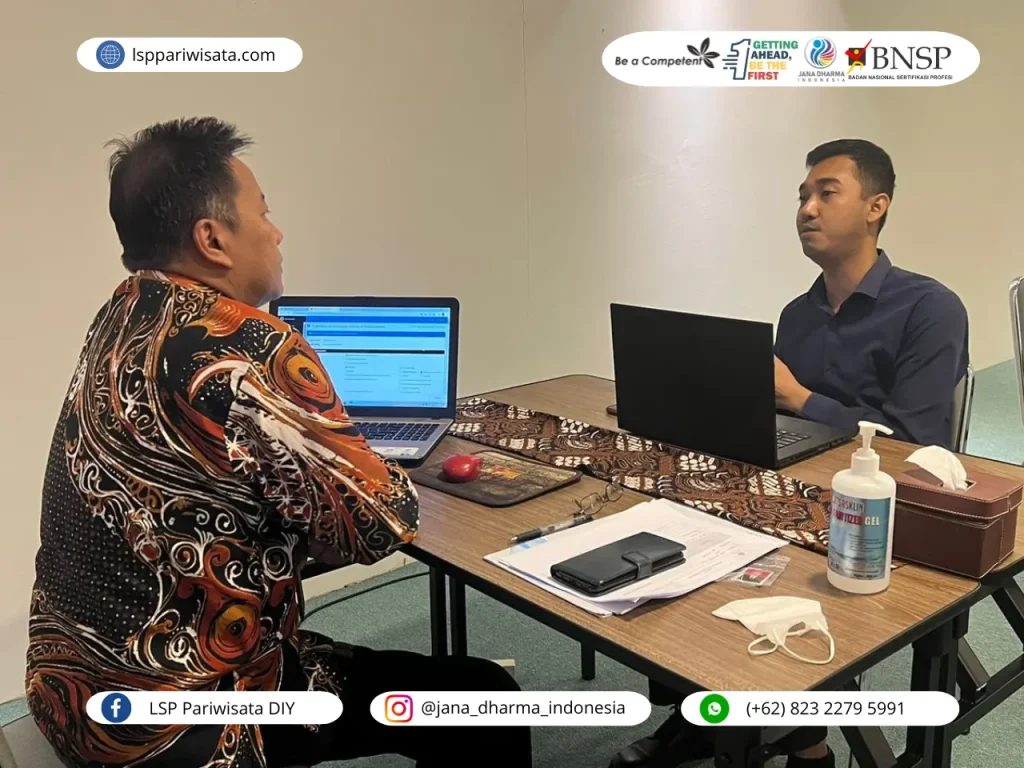
Enhancing Business Management Skills for Event Logistics Procurement

Event logistics procurement is crucial to the success of any event. Those responsible for managing the business side of event logistics must possess strong skills in planning, organization, and execution. This article highlights essential business management skills needed to excel in event logistics procurement. Strategic Planning Skills Strategic planning is the foundation of effective event logistics procurement. An event logistics manager must be able to carefully plan each step, from initial planning to post-event evaluation. This involves setting event goals, budgeting, and prioritizing tasks that need to be completed. Vendor Negotiation and Management Negotiation skills are vital when dealing with vendors and potential partners. An event logistics manager must negotiate prices, contract terms, and services offered by vendors. Maintaining good relationships with vendors, including selection, evaluation, and fostering mutually beneficial partnerships, is also critical. Efficient Budget Management Budget management is a crucial element in event logistics procurement. The logistics manager must be able to create a realistic budget and manage it efficiently throughout the event process. This includes allocating resources to various aspects such as transportation, accommodation, catering, and technical needs. Risk and Crisis Management Risks and crises are unavoidable in event logistics. A competent logistics manager must identify potential risks, develop mitigation strategies, and respond quickly if a crisis occurs. The ability to remain calm and take appropriate action in critical situations is highly valued. Understanding Technology and Innovation The use of technology and innovation can enhance efficiency in event logistics procurement. A logistics manager should understand various technological platforms that can assist in event planning and execution. This includes online invitation management, event apps, and monitoring systems that help measure event success. Strong Organizational Skills An event logistics manager must have strong organizational skills to manage various aspects of an event simultaneously. This includes scheduling, task delegation, and monitoring the progress of each part of the logistics process. Good organization ensures that every element of the event runs according to plan. Effective Communication Skills Good communication skills are essential in event logistics procurement. A logistics manager must communicate clearly and effectively with internal teams, vendors, and event participants. Persuasion and diplomacy are also needed when interacting with various parties involved in the event. Deep Understanding of Client Expectations Understanding the desires and expectations of clients or event organizers is crucial. A logistics manager needs to have interview and analysis skills to gather sufficient information about the event’s goals, target audience, and client expectations. This helps in crafting a logistics procurement strategy that aligns with the event’s needs and objectives. Flexibility and Creativity In the event world, things don’t always go as planned. Flexibility is a highly needed skill to handle sudden changes or challenges during the logistics procurement process. Creativity is also important to add a unique and innovative touch to the event. Ability to Evaluate and Improve Performance A good logistics manager focuses not only on event execution but also on post-event evaluation. The ability to evaluate event performance, consider participant feedback, and note what worked and what needs improvement is crucial for enhancing the quality of future logistics procurement. Conclusion Event logistics procurement requires a diverse set of business management skills. By mastering strategic planning, negotiation, efficient budget management, and risk management, a logistics manager can tackle challenges and achieve event success. Additionally, effective communication skills, a deep understanding of client expectations, and flexibility in responding to changes are key to delivering high-quality event logistics services. By honing these skills, a logistics manager can become the driving force behind the success of every event they manage. For further information please contact us through : WhatsApp : +6282322795991 Telephone : 0274 543 761 Instagram : @jana_dharma_indonesia Email : [email protected]
Etika Kerja dan Pelayanan Pelanggan dalam Pekerjaan Laundry
Bidang Hospitality, Blog, EN

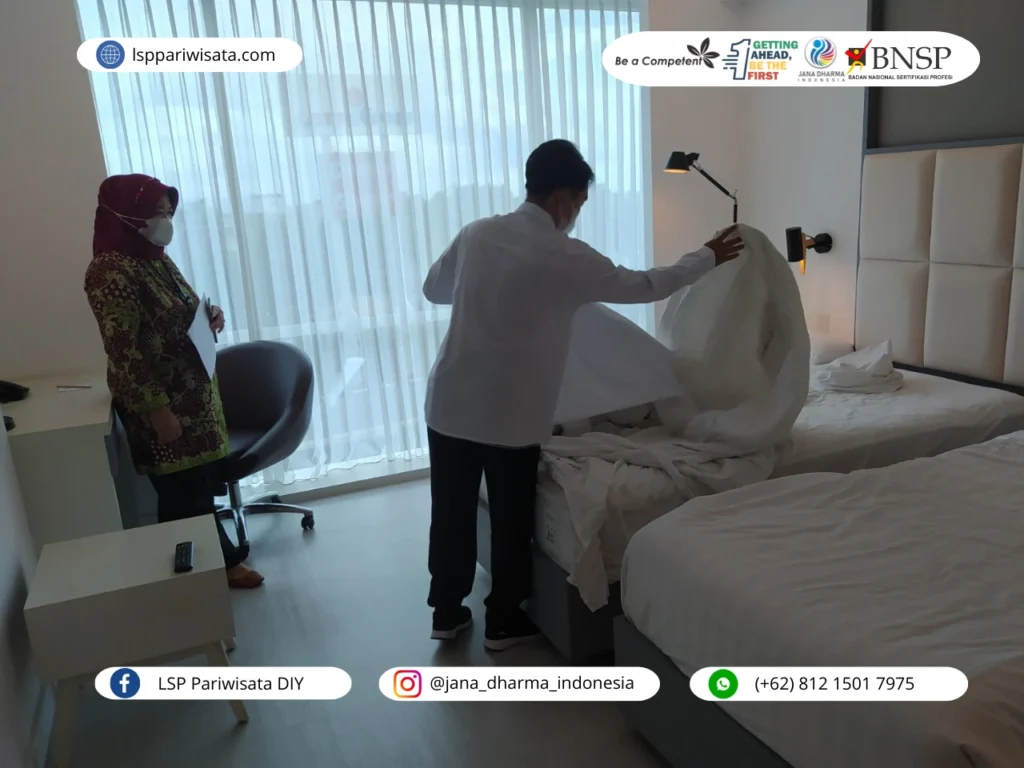
Maintaining Hospitality Industry Knowledge for a Laundry Attendant

In the hospitality industry, the role of a laundry attendant is crucial in ensuring the cleanliness and comfort of guests. For a laundry attendant, maintaining knowledge of the hospitality industry goes beyond daily tasks; it involves understanding industry developments and standards. Importance of Broad Knowledge Beyond mastering their specific role, a laundry attendant should also be familiar with other areas within the industry. This broad knowledge base is valuable as it demonstrates a well-rounded understanding and the ability to contribute beyond one’s immediate responsibilities. This article outlines ways to maintain hospitality industry knowledge to help a laundry attendant stay relevant and advance in their career. Keeping Up with Technology and Equipment The hospitality industry is continuously evolving with technological innovations and advanced equipment. A laundry attendant should actively update their knowledge of the latest equipment that can enhance efficiency and service quality. Attending training and workshops related to laundry technology, such as the latest washing machines, inventory management systems, and innovative detergents, is recommended. Participating in Training Programs and Certifications Various training programs and certifications in the hospitality industry can help laundry attendants deepen their understanding of laundry processes, risk management, and compliance with hygiene standards. Engaging in such programs not only enhances technical skills but also provides formal recognition of expertise. Joining Professional Associations or Communities Professional associations or communities in the hospitality industry offer excellent platforms for sharing experiences, obtaining the latest information, and networking with peers. Laundry attendants can join associations such as the International Executive Housekeepers Association (IEHA) or The Association for Linen Management (ALM) to engage in discussions, seminars, and idea exchanges. Staying Informed About Hospitality Industry News Remaining informed about trends, policies, and the latest news in the hospitality industry is crucial. Taking time to read industry publications, follow specialized hospitality news websites, and follow social media accounts focused on the industry can help laundry attendants stay connected with current developments. Understanding Current Hygiene and Safety Standards The hospitality industry’s hygiene and safety standards are constantly changing, especially in the context of public health and safety. Laundry attendants need to understand these changes and ensure they follow best practices. Participating in the latest hygiene and safety training, particularly during emergencies like pandemics, will help laundry attendants become valuable resources for the hotel. Understanding Inventory and Logistics Management Laundry attendants are not just responsible for washing clothes but also contribute to the hotel’s inventory and logistics management. Understanding inventory management processes, stock monitoring systems, and coordination with other hotel departments are essential aspects of a laundry attendant’s job. Participating in training related to inventory and logistics management is advisable. Sharing Experiences with Colleagues Sharing experiences with colleagues, especially those working in other hotel departments, can provide new perspectives and valuable information. Discussing daily challenges, exchanging tips, and learning best practices from colleagues can enhance cooperation and enrich your knowledge. Participating in Self-Development Initiatives In addition to formal training, it is important for laundry attendants to take the initiative in self-development. Engaging in online courses, webinars, or reading books related to the hospitality industry can be an effective way to enhance personal knowledge and skills. Understanding Guest Needs and Market Trends As part of the hospitality industry, a laundry attendant needs to understand guest needs and preferences. Analyzing market trends and following guest feedback can help create more responsive and customer-oriented laundry services. Participating in Hotel Projects and Service Updates Involvement in hotel projects that involve service updates or improvements can provide insights into how the hospitality industry adapts to change. It also offers laundry attendants opportunities to engage in broader hotel initiatives and understand overall operational dynamics. Conclusion Maintaining hospitality industry knowledge is key for a laundry attendant to remain relevant and advance in their career. By staying updated on technology, joining professional associations, participating in training, and actively following industry news, a laundry attendant can become a valuable asset to a hotel. This approach enables them to understand the full scope of the hospitality industry and make a greater contribution to the comfort and cleanliness of hotel guests. For further information please contact us through : WhatsApp : +6282322795991 Telephone : 0274 543 761 Instagram : @jana_dharma_indonesia Email : [email protected]
Keunggulan profesional di tahun 2024 bagi chef yang bersertifikat
Bidang Food & Beverage, Blog, EN

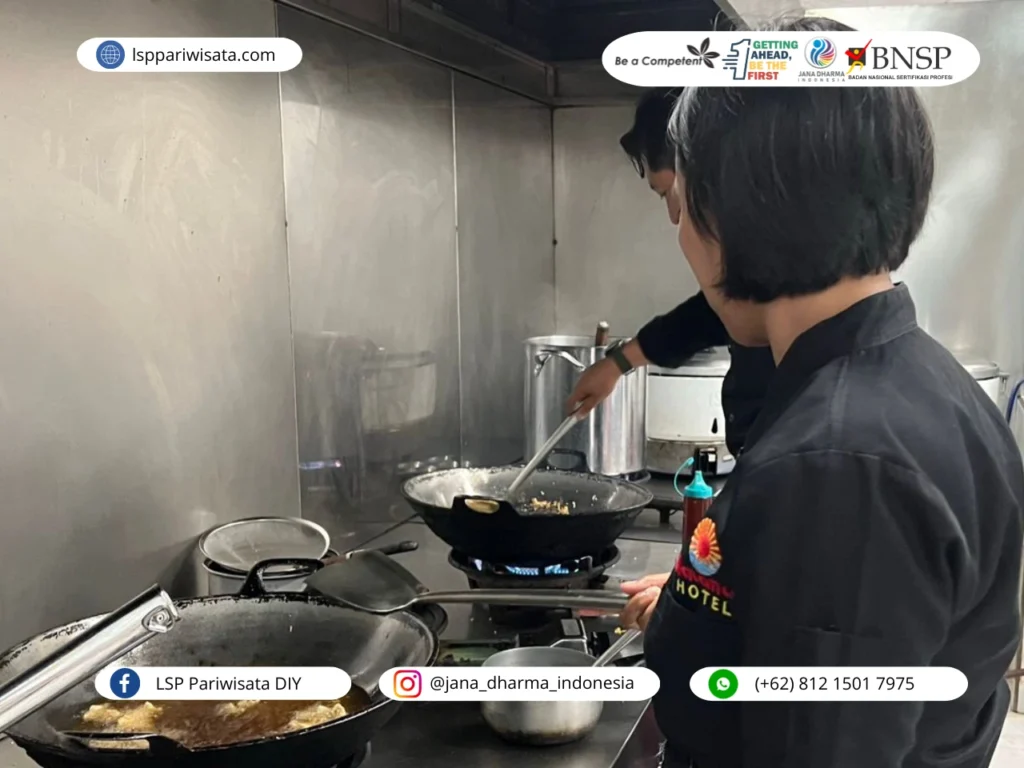
Making Your Indonesian Cuisine Appealing on Social Media : A Tips and Tricks

Indonesia, with its rich cultural and culinary diversity, has garnered worldwide attention as a top culinary destination. Each region boasts its unique dishes, some of which have gained international popularity, even ranking among the world’s top 100 tastiest dishes. The rapid growth of social media has accelerated the dissemination of information, making it easier for people abroad to discover Indonesian cuisine. Given the popularity of social media, presenting Indonesian food aesthetically can significantly enhance its appeal. Here are some tips and tricks to make Indonesian cuisine more captivating on social media: Aesthetic Presentation and Arrangement To attract attention on social media, it’s crucial to arrange and present the food aesthetically. Place the food neatly and creatively on a visually appealing plate or container. Choosing contrasting and harmonious colors can make the food visually appetizing. Focus on Details and Textures The details and textures of the food can be a major draw. Highlight textures such as crispy crusts, enticing sauces, or additional garnishes that add visual dimension. Using close-up photography can help emphasize these details, making the food more appealing and intriguing to those who have never tried it. Play with Refreshing Colors Color is an essential element in food photography. Indonesian cuisine is known for its use of rich spices and seasonings, creating vibrant colors that can stimulate the appetite. Emphasizing the natural colors of these ingredients can enhance the visual appeal, especially with proper lighting to make the colors pop. Unique Composition Creations Create unique compositions by carefully arranging food elements. Play with the height and position of these elements to add visual depth to the photo. Adding garnishes such as fresh leaves or spices can enhance the composition’s beauty. Story Behind the Dish Add a story behind the dish you present. Share the origin of the food, the inspiration behind the recipe, or personal experiences related to the dish. Connecting food with a narrative can make it more interesting and make the audience curious to learn more. Consider Layout and Background The photo layout and background selection are also important. Choose a clean and uncluttered background to keep the focus on the food. Avoid overly distracting backgrounds so the food remains the main highlight. Use Popular Hashtags Using relevant and popular hashtags can help increase the visibility of your food photos on social media. Find hashtags frequently used in the culinary or Indonesian food community and include them in your captions or photo comments. Utilize Optimal Natural Light Good lighting is key to attractive food photos. Make the most of natural light, especially when shooting outdoors. Avoid using flash, which can create unwanted shadows and spoil the food’s appearance. Subtle Photo Filters or Editing When editing photos, avoid using overly heavy filters that can alter the food’s original colors. Use subtle filters or edits to enhance photo quality without losing the authentic characteristics of the Indonesian cuisine you’re showcasing. Engage with Your Audience Allow your audience to participate by asking questions or inviting them to share their experiences with Indonesian cuisine. Respond to comments and interactions positively, as this can increase engagement and strengthen your relationship with your followers. Promote Engagement with Contests or Giveaways Besides sharing food photos, hold contests or giveaways to encourage audience participation. Ask them to share their favorite Indonesian food photos with attractive prizes. This can increase interaction and create a more active community around your culinary content. Learn from Experience and Feedback Always be open to learning and growing. Learn from previous posting experiences and accept feedback from your followers. This can help you understand audience preferences and improve the overall quality of your content. Consistency in Visual Branding Maintain consistency in your visual style. From color choices and filters to layout, ensure your visual brand is consistent across all posts. This will help build a strong identity in the eyes of your followers. Explore Video Platforms In addition to photos, consider uploading short videos showcasing the cooking process or giving brief reviews of Indonesian dishes. Videos can add an extra dimension and attract more attention on social media. By applying these tips and tricks, you can ensure that the Indonesian dishes you present on social media not only look delicious but also attract greater interest and engagement from your audience. Creativity, consistency, and a personal touch will help you build a strong presence in the digital culinary world. For further information please contact us through : WhatsApp : +6282322795991 Telephone : 0274 543 761 Instagram : @jana_dharma_indonesia Email : [email protected]
LSP Pariwisata Jana Dharma Indonesia Meluncurkan Dua Skema Baru
Blog, EN

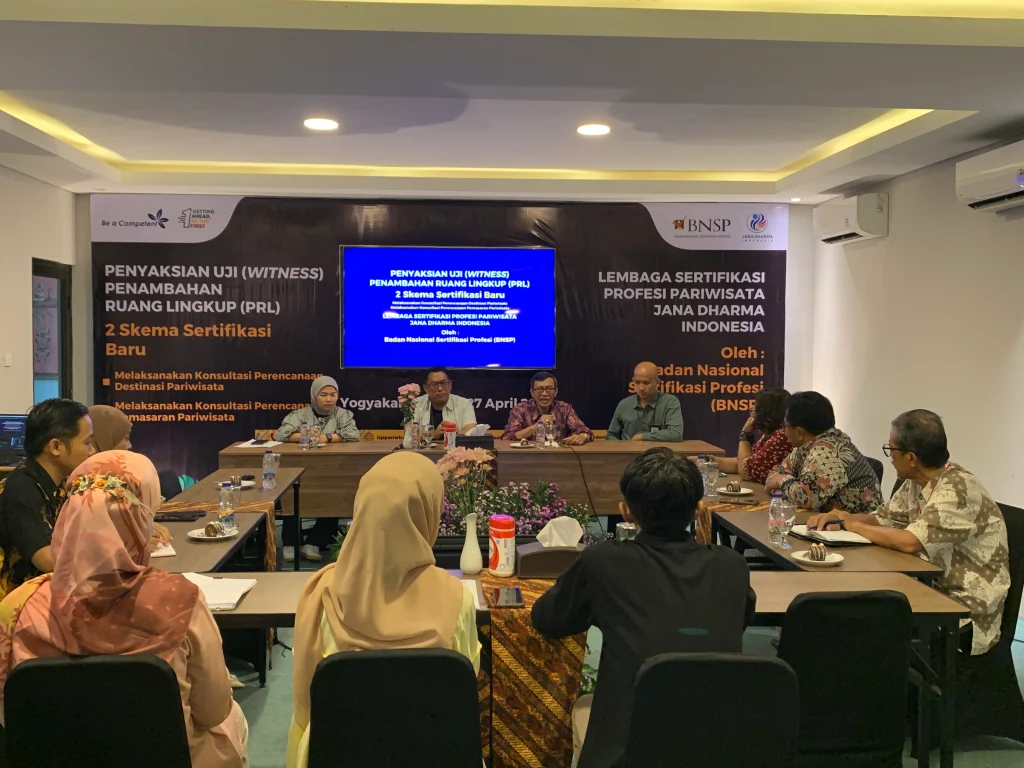
Career Advancement through the Professional Certification Recognition Program (WPA) in the Tourism Industry

The tourism industry is rapidly growing, offering numerous career opportunities for those interested in the field. Within this context, the Professional Certification Recognition Program (WPA) serves as an effective tool for advancing careers in tourism. This article explores how WPA can act as a catalyst for career growth in the tourism industry. Formal Recognition of Skills and Knowledge One of the key benefits of the WPA in tourism is the formal recognition of an individual’s skills and knowledge. By obtaining certification, professionals can demonstrate to employers and recruiters that they possess the relevant qualifications and expertise for their roles. This formal recognition is crucial in opening doors to promotions and increased responsibilities within organizations. Increased Competitiveness in the Job Market In the highly competitive tourism industry, having certification through the WPA can provide a significant edge. Employers tend to value candidates with certifications, as it reflects a commitment to professional development and a higher standard of work quality. Therefore, enhancing competitiveness in the job market is one of the positive outcomes of participating in a certification program. Access to Training and Updated Knowledge Certification programs often involve intensive training and provide updates on the latest industry developments. WPA participants gain access to the latest information, trends, and best practices relevant to their field in tourism. The ability to continuously learn and update knowledge offers a strategic advantage, helping to improve performance and opening the door to more influential roles. Boost in Credibility and Customer Trust For those directly working with customers, such as tour guides or travel agents, having WPA certification can boost credibility and customer trust. Customers are more likely to feel confident in choosing services from certified professionals, as it indicates a high level of expertise and service standards. This increase in trust can have a positive impact on the reputation of both the individual and the company they work for. Pathway to Managerial and Leadership Positions WPA certification can be a gateway to managerial and leadership positions within the tourism industry. By obtaining certifications related to leadership or management, professionals build a strong foundation to lead teams or even manage tourism business operations. This provides opportunities for increased responsibility and salary commensurate with managerial roles. Networking with Professional Communities The WPA often fosters networking opportunities and communities for professionals who participate in the program. Through meetings, seminars, or online forums, participants can connect with fellow tourism professionals. This connectivity not only serves as a source of support and experience exchange but can also open doors to future job opportunities or business partnerships. Personal Achievement and Self-Motivation Participating in the WPA offers not only external benefits such as promotions or workplace recognition but also personal achievements. Completing a certification program is an accomplishment that can boost self-confidence and motivation. Awareness of enhanced capabilities can be a positive drive to continue pursuing career development opportunities. Availability of Diverse Certification Programs The tourism industry encompasses various fields, from hotel management to tour guiding and event management. The WPA often offers a wide range of certification programs tailored to the different specializations within the tourism industry. This allows professionals to choose programs that best align with their interests and career goals, thereby enhancing their chances of reaching desired positions. Adaptability to Changing Trends and Market Demands The tourism industry is constantly evolving, with rapid changes in trends and market demands. Through the WPA, professionals can quickly adapt to these changes by acquiring new skills and knowledge. This enables them to remain relevant amid industry dynamics, avoid being limited by technology, and prepare for future roles. Commitment to Ethical Standards and Professionalism Certification programs often include stringent aspects of ethics and professionalism. WPA participants are provided with a deep understanding of ethical responsibilities in the tourism industry, which can help improve the image and standards of the profession. This commitment to ethical standards and professionalism adds value to professionals participating in the certification program. Conclusion Career advancement through the WPA in the tourism industry is not just about developing technical skills but also involves personal achievements, increased credibility, and recognition in the job market. Certification programs play a key role in shaping professionals who are ready to face the challenges of the dynamic tourism industry. By obtaining recognized certifications, professionals can plan and manage their careers more effectively, bringing positive impacts on the overall growth and development of the tourism industry. For further information please contact us through : WhatsApp : +6282322795991 Telephone : 0274 543 761 Instagram : @jana_dharma_indonesia Email : [email protected]

Manfaat Keterampilan Interpersonal untuk Bellboy
Bidang Hospitality, Blog, EN

The Importance of Effective Communication for Bellboys in the Hospitality Industry

In the hospitality industry, bellboys play a crucial role in creating a positive guest experience. One of the key skills required by a bellboy is the ability to communicate effectively. This article discusses the importance of effective communication for bellboys and its impact on the service provided to guests. Making a Strong First Impression Bellboys are often the first hotel staff members to meet guests upon arrival. The ability to provide a warm and informative welcome is vital in creating a strong first impression. Effective communication in conveying information about hotel services, facilities, and check-in procedures gives guests confidence that they have chosen the right place to stay. Providing Local Orientation and Information Bellboys are responsible for orienting guests about the hotel’s location and surrounding area. Effective communication in providing information about local attractions, nearby restaurants, and public transportation helps guests plan their activities better. The ability to offer informative and relevant suggestions also enriches the guest experience, especially for those unfamiliar with the area. Clear Explanation of Hotel Facilities A bellboy should be able to clearly explain the various facilities available at the hotel, including fitness centers, swimming pools, room service, and other amenities. Effective communication in this regard helps guests make full use of the hotel’s offerings, enhancing their overall satisfaction during their stay. Efficient Handling of Luggage An integral part of a bellboy’s job is handling guests’ luggage. Effective communication is key when interacting with guests to identify any special needs or requests related to their luggage. Providing clear information about the luggage handling process, including delivery and pick-up times, ensures a smooth and comfortable experience for guests. Conveying Guest Messages or Requests to Relevant Departments Bellboys often act as intermediaries between guests and various hotel departments. The ability to convey guests’ messages or requests clearly and accurately to the relevant department ensures that guests’ needs are well met. Effective communication in this aspect helps maintain good coordination among hotel staff to deliver consistent service. Responding to Guest Inquiries and Complaints Bellboys often face guest inquiries or situations where guests may have complaints or special needs. The ability to respond promptly and provide clear answers is a crucial communication skill. Effective communication helps address guest discomfort or confusion, fostering a positive relationship. Coordination with Other Hotel Service Teams Effective communication is not only needed when interacting with guests but also in coordinating with other hotel service teams. Bellboys must communicate with receptionists, housekeeping, and other staff to ensure smooth hotel operations. This includes providing accurate and timely information regarding room status changes, cleaning schedules, or special guest requests. Arranging Transportation and Off-Hotel Activities Bellboys are often responsible for arranging guest transportation, such as taxis or shuttle services. The ability to communicate with drivers or third parties involved in the process is essential to ensure guests arrive or depart smoothly. Bellboys can also provide information about off-hotel activities, such as local tours or special events, enhancing the guest experience. Striving to Be Multilingual In an increasingly global hospitality environment, the ability to communicate in multiple languages is a significant advantage for a bellboy. Being able to speak a language understood by international guests helps create a more personalized experience and avoids misunderstandings that may arise due to language barriers. Building Guest Relationships and Loyalty Effective communication helps build strong relationships with guests. Bellboys who can understand guests’ needs and preferences and respond warmly and informatively can create a lasting positive impression. This can positively impact guest loyalty, making them more likely to return to the hotel and recommend it to others. Conclusion In the hospitality industry, bellboys serve as the first ambassadors of the hotel’s service. Their ability to communicate effectively not only creates a positive experience for guests but also helps maintain smooth hotel operations. By clearly conveying information, responding quickly to guest needs, and working closely with the hotel team, bellboys play a key role in delivering superior service. Therefore, developing effective communication skills is a must for bellboys who wish to excel in this dynamic industry. Being a professional bellboy requires knowledge and skills beyond just carrying luggage. LSPP Jana Dharma Indonesia offers bellboy certification designed to enhance competency and service standards. For further information please contact us through : WhatsApp : +6282322795991 Telephone : 0274 543 761 Instagram : @jana_dharma_indonesia Email : [email protected]
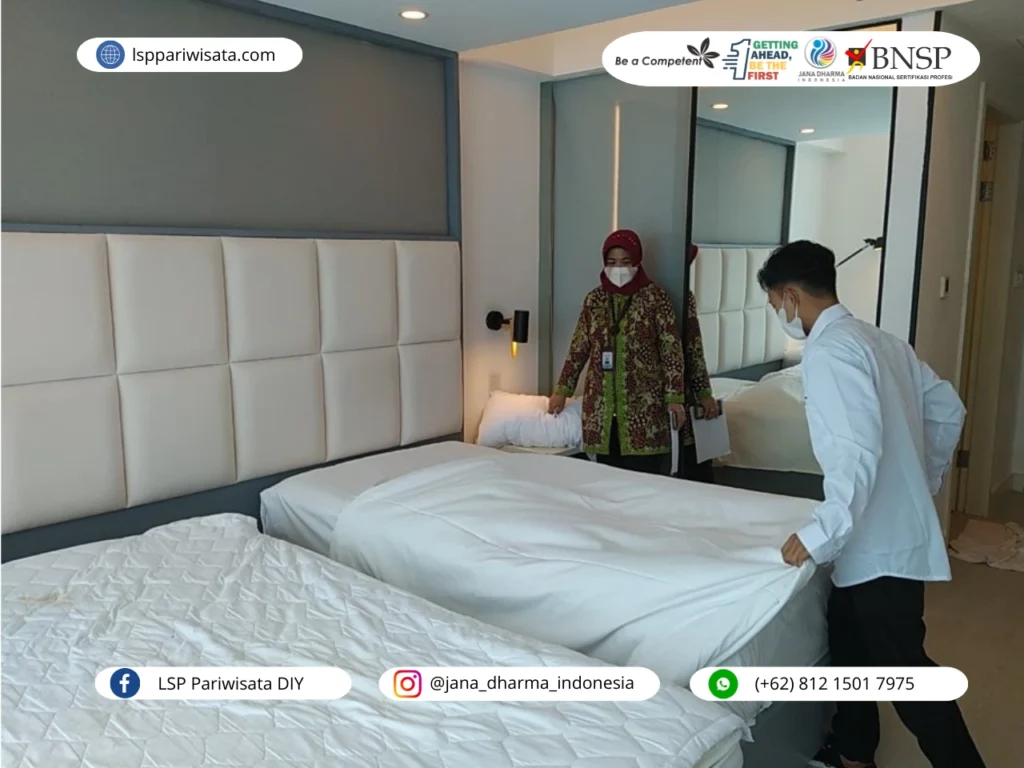
peluang dalam kemajuan karir pekerjaan room attendant yang bersertifikat
Bidang Hospitality, Blog, EN

Basic First Aid Knowledge: Importance for Room Attendants in Professional Certification

In the hospitality industry, room attendants play a crucial role in maintaining the cleanliness and comfort of guest rooms. However, beyond their routine tasks, basic first aid knowledge is also a critical competency. This article explains the importance of first aid knowledge for room attendants in the context of professional certification. Awareness of Accidents and Emergencies Due to the nature of their work, which involves interacting with various hotel facilities and equipment, room attendants need to be aware of potential accidents or emergencies. Basic first aid knowledge provides them with the foundation to recognize and respond quickly and effectively to emergencies such as fires, accidents, or urgent medical conditions. First Aid for Minor Accidents Basic first aid includes the ability to provide assistance in cases of minor accidents or injuries. Room attendants may encounter situations such as minor cuts, slips, or falls within the hotel. With an understanding of how to clean and treat minor wounds, room attendants can assist guests and prevent further complications. Responding to Medical Emergencies In addition to physical accidents, room attendants may also face medical emergencies such as heart attacks, asthma attacks, or fainting. Basic first aid equips them with the necessary skills to provide initial assistance before professional medical help arrives. The ability to call for immediate help and provide early care can make a significant difference in medical emergencies. Understanding First Aid Equipment Room attendants need to understand how to use first aid equipment, which is commonly available in hotels. This includes using bandages, portable fire extinguishers, or even emergency breathing aids. Knowledge of how to effectively use this equipment can help prevent the escalation of injuries or respond quickly when first aid is needed. Emergency Area Evacuation and Safety Room attendants should also be prepared for situations requiring quick evacuation, such as fires or security threats. Basic first aid knowledge includes understanding evacuation procedures, guiding guests to safe assembly points, and providing necessary instructions. The ability to act quickly and in an organized manner can help save lives and minimize risks during emergencies. Handling Hazardous Chemicals Room attendants often deal with various cleaning products and chemicals in guest rooms. Knowledge of how to handle chemicals safely and recognize signs of hazardous exposure is a crucial part of basic first aid knowledge. This helps protect both the room attendants and guests from the health risks posed by chemical exposure. Specialized Emergency Response Training Some hotels offer specialized training for room attendants on handling emergencies that may occur within the hotel environment. This includes knowledge of specific hotel evacuation procedures, how to assist guests who may require first aid, and coordination with hotel security teams. Such specialized training ensures that room attendants are prepared to face unique emergency situations in their workplace. Understanding the Accident Reporting Process Basic first aid knowledge also involves understanding the process of reporting accidents. Room attendants should know how to report incidents or emergencies to hotel management or relevant authorities. Timely and accurate reporting is essential for evaluating and mitigating potential future accident risks. Sensitivity to Guests’ Special Needs During emergencies, room attendants also need to be sensitive to guests’ special needs. This may include the needs of guests with disabilities, small children, or those requiring special attention during emergencies. Basic first aid knowledge includes understanding how to provide appropriate assistance based on individual needs. Enhancing Reputation and Guest Trust In the context of professional certification, basic first aid knowledge adds value to room attendants. Guests who are aware of their safety are more likely to feel comfortable and confident when staying at a hotel staffed by personnel trained in first aid. This can enhance the hotel’s reputation and build guest trust in the staff’s ability to handle various situations. Conclusion Basic first aid knowledge is a critical skill that room attendants in the hospitality industry must possess. In the context of professional certification, this knowledge provides a strong foundation for delivering safe and responsive service to guests. A room attendant equipped with basic first aid knowledge not only performs routine tasks with expertise but also becomes a vital pillar in ensuring safety and security within the hotel environment. Investing in professional certification that includes basic first aid knowledge can have a significant positive impact on guest experiences and the overall reputation of the hotel. For further information please contact us through : WhatsApp : +6282322795991 Telephone : 0274 543 761 Instagram : @jana_dharma_indonesia Email : [email protected]
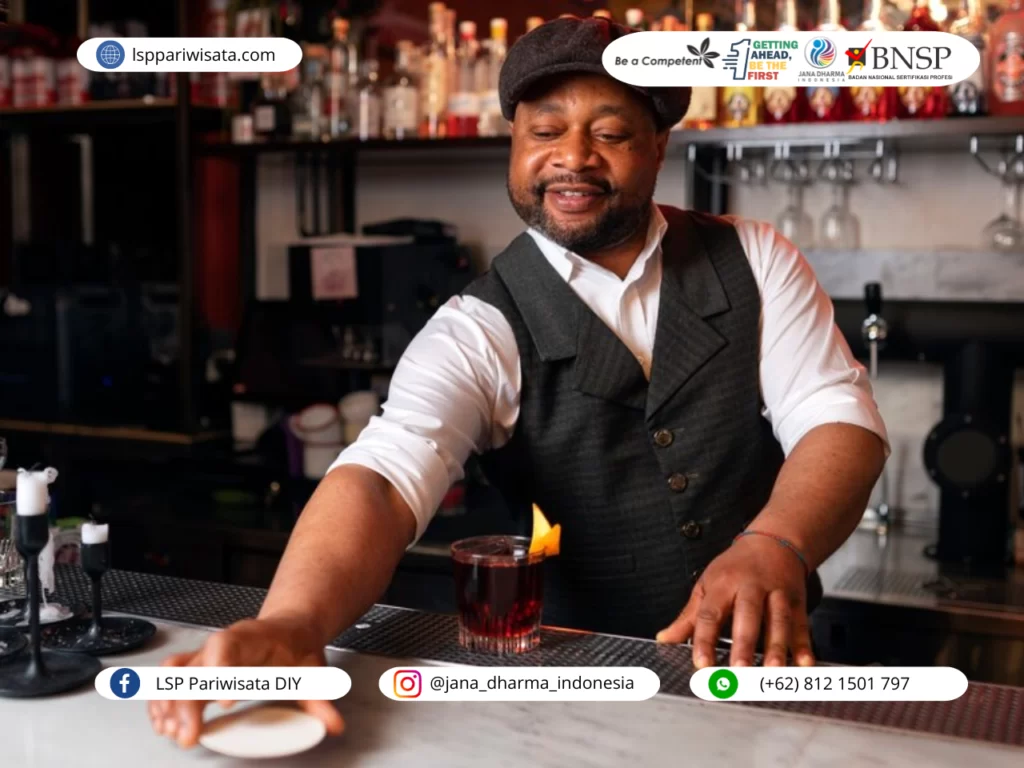
Peluang Karir Profesi Bartender
Bidang Food & Beverage, Blog, EN

Exploring the Benefits of Certification for Bartender Trainees

The bar and hospitality industry is growing rapidly, creating a demand for highly skilled and qualified bartenders. To enhance professionalism and meet industry standards, bartender trainees often seek relevant certifications. This article discusses the benefits of obtaining appropriate certification for those pursuing a career in bartending. Boosting Credibility and Customer Trust A bartender certification serves as tangible proof of one’s competence and skills in the field. Holding an industry-recognized certification enhances a bartender’s credibility in the eyes of customers. Customers are more likely to trust a bartender with certification, as it indicates formal training and a thorough understanding of essential principles and techniques. Enhancing Skills and Knowledge Bartender certification covers more than just basic abilities; it includes in-depth knowledge of beverages, mixing techniques, and industry work ethics. Certified trainees gain a better understanding of various types of drinks, bartending tools, and how to deliver superior service to customers. This improvement in skills allows them to craft more creative drinks and offer unique experiences to customers. Accelerated Career Growth A bartender certification gives trainees a competitive edge in a crowded job market. With the right certification, bartenders have better chances of securing jobs at premium venues or luxury hotels and restaurants. Additionally, many workplaces prioritize employees who have undergone formal training, making certification a key factor in hiring decisions. Compliance with Safety and Hygiene Standards Bartender certification often includes training on safety and hygiene standards, such as safe alcohol handling, proper bartending equipment maintenance, and general cleanliness practices. Understanding these standards helps bartenders create a safe and clean working environment, protecting customers’ health and ensuring compliance with local regulations and laws. Understanding Drink Serving Ethics and Certified Beverage Knowledge Certification not only teaches drink-serving techniques but also emphasizes the ethics of serving alcohol. This includes responsibility in serving alcoholic beverages and knowledge of legal limitations related to alcohol sales. Certified bartenders are trained to be responsible, knowing when to stop serving alcohol and understanding the legal implications involved. Access to Professional Networks and Continuing Education Opportunities Certified bartender trainees often gain access to professional networks and industry communities, providing opportunities to exchange experiences, learn from more experienced professionals, and even expand job opportunities. Some certification programs also offer continuing education or skill refreshers to keep trainees relevant and competitive in an ever-changing industry. Keeping Up with the Latest Trends and Innovations in Beverages A good bartender certification program includes an understanding of the latest trends and innovations in the beverage industry. This gives bartenders in-depth insight into the latest industry developments, including new drink recipes, innovative serving techniques, and consumer trends, helping them stay relevant and appealing to customers seeking unique drink experiences. Increasing Competitiveness in the International Job Market For bartenders planning to work abroad, certification can be a valuable asset. Many bartender certifications are internationally recognized, providing a higher level of competitiveness in the global job market. It also shows employers that a bartender has internationally acknowledged skills and knowledge, expanding job opportunities in various international destinations. Promoting a Culture of Responsibility and Suitability Bartender certification also helps build a culture of responsibility in the beverage industry. By emphasizing legal compliance and ethical drink-serving practices, certification promotes a more responsible culture among industry professionals. This positively impacts the industry’s image and helps reduce the negative effects that may result from unethical practices. Investment in a Sustainable Career Obtaining a bartender certification can be seen as an investment in a sustainable career. With formal qualifications, a bartender can view their job in the industry as a long-term career, opening up opportunities for growth, skill development, and achieving professional goals. Bartender certification is a strong first step toward a successful and fulfilling career. Conclusion Appropriate certification is an essential tool for bartender trainees who want to succeed in the bartending world. The benefits include increased credibility, deeper knowledge, and access to better career opportunities. By taking this step, bartenders not only enhance their professionalism but also help advance industry standards and build a positive image for the beverage industry. Certification that aligns with individual needs and aspirations can serve as a foundation for a satisfying and sustainable career in the dynamic bar industry. By participating in Bartender professional certification at LSPP Jana Dharma Indonesia, you will gain a competitive advantage. Our certification program covers key aspects of bartending, from drink-making techniques and stock management to the art of superior customer service. Join us to sharpen your skills and become a successful bartender. Register now at LSPP Jana Dharma Indonesia and start your journey to boost sales at your bar through exceptional expertise and customer service. For further information please contact us through : WhatsApp : +6282322795991 Telephone : 0274 543 761 Instagram : @jana_dharma_indonesia Email : [email protected]
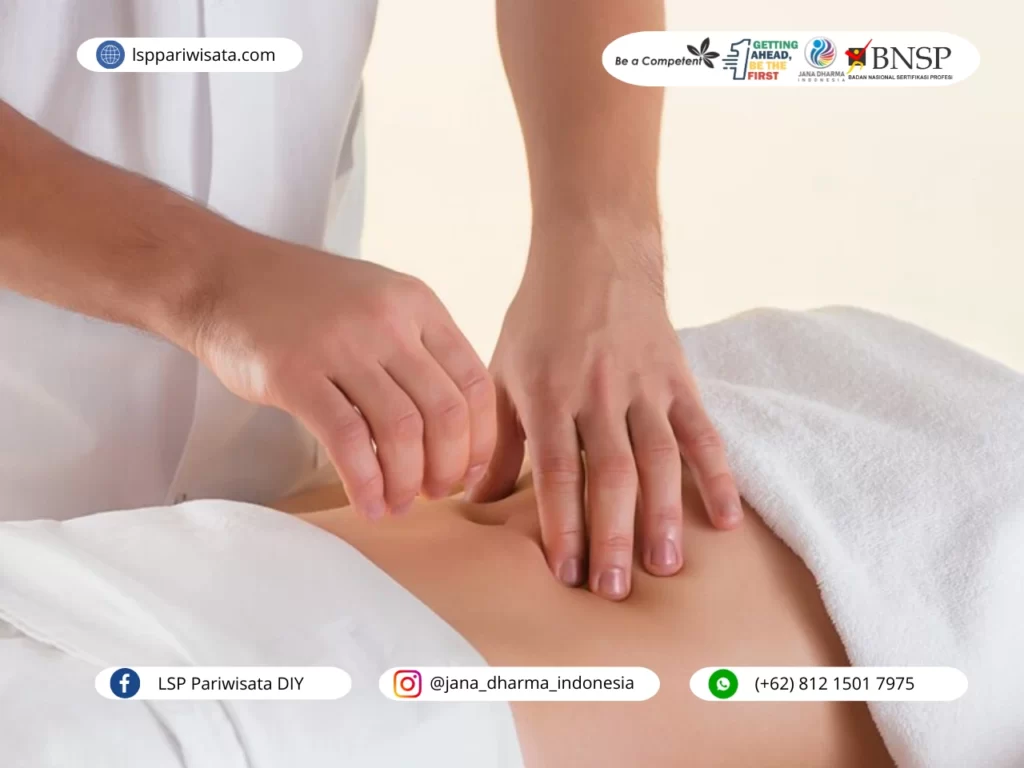
Terapis SPA
Bidang SPA, Blog, EN

Guide to Choosing the Best Postpartum Care Certification: An Investment in Health and Well-being

Postpartum care is crucial in helping new mothers recover physically and emotionally after childbirth. Certification in postpartum care offers confidence to mothers and their families, ensuring that they receive assistance from trained professionals. However, with various certifications available, selecting the best one can be challenging. This article provides a guide on how to choose the best certification for postpartum care. Accreditation and Credibility When choosing a certification program for postpartum care, the first thing to consider is whether the program is accredited by a reputable health and midwifery organization. Certification from a recognized institution ensures that the program meets certain standards in education and training. Comprehensive Curriculum It is essential to choose a certification that offers a comprehensive curriculum relevant to postpartum care needs. A good program should cover topics like physical recovery after childbirth, pain management, emotional support, and other crucial aspects of postpartum care. A holistic curriculum prepares professionals with the knowledge and skills necessary to provide the best support to new mothers. Instructor Credibility and Expertise Evaluating the credibility and expertise of the instructors is a crucial step in selecting a postpartum care certification. Ensure that the instructors have extensive experience in postpartum care and possess a solid educational and training background. Credible instructors give trainees confidence that they are receiving guidance from reliable sources. Program Reviews and Reputation Reading reviews and researching the reputation of the certification program can provide valuable insights. Reviews from previous participants offer an understanding of their training experience and how effective the program was in preparing them for providing postpartum care. A program with a good reputation is likely to attract participants seeking high-quality certification. Flexibility and Accessibility When choosing a certification, consider the flexibility and accessibility of the program. Programs offering flexible learning options, such as online classes or distance learning courses, can be ideal for those with busy schedules. This flexibility allows participants to balance training with other responsibilities, such as childcare or work. Patient and Family Empowerment The best postpartum care certification programs emphasize empowering patients and their families. This involves equipping new mothers and their families with the knowledge and skills to take an active role in care and recovery. A certification that focuses on collaborative and empowering approaches can have a long-term positive impact on the well-being of the mother and her family. Cultural Sensitivity and Diversity Considering cultural sensitivity and diversity in a postpartum care certification is also very important. Programs that value cultural diversity in healthcare and provide knowledge on how to offer culturally sensitive care can create an inclusive and effective care environment. Opportunities for Field Practice It’s important to choose a certification program that provides opportunities for field practice or hands-on experience in postpartum care. Field practice allows participants to apply the knowledge and skills they have gained during training in real-world settings. This is a critical step in preparing them to handle the challenges that may arise during daily practice. Post-Certification Support A good certification program offers post-certification support to participants. This can include access to additional resources, professional networks, or mentoring support. Post-certification support helps participants continue developing their skills and stay connected with the professional community. Cost and Value Lastly, consider the cost of the certification program and the value it provides. While cost is important, the value of the program in equipping participants with the necessary knowledge and skills should not be overlooked. Choosing a certification that offers value commensurate with the cost ensures that the investment in training is substantially beneficial. Conclusion Choosing the best certification for postpartum care is a crucial step in supporting the health and well-being of new mothers. By considering factors such as accreditation, curriculum, instructor credibility, and post-certification support, participants can ensure that they receive comprehensive training tailored to their needs. Investing in postpartum care certification benefits not only individuals pursuing a career in maternal healthcare but also contributes to the overall recovery and well-being of new mothers. For further information please contact us through : WhatsApp : +6282322795991 Telephone : 0274 543 761 Instagram : @jana_dharma_indonesia Email : [email protected]

Scroll to Top