
EN

Aspek Keahlian manajerial dalam sertifikasi barista
Bidang Ekonomi Kreatif, Blog, EN

Mastering Espresso Techniques Through Barista Certification: The Key to Coffee Expertise

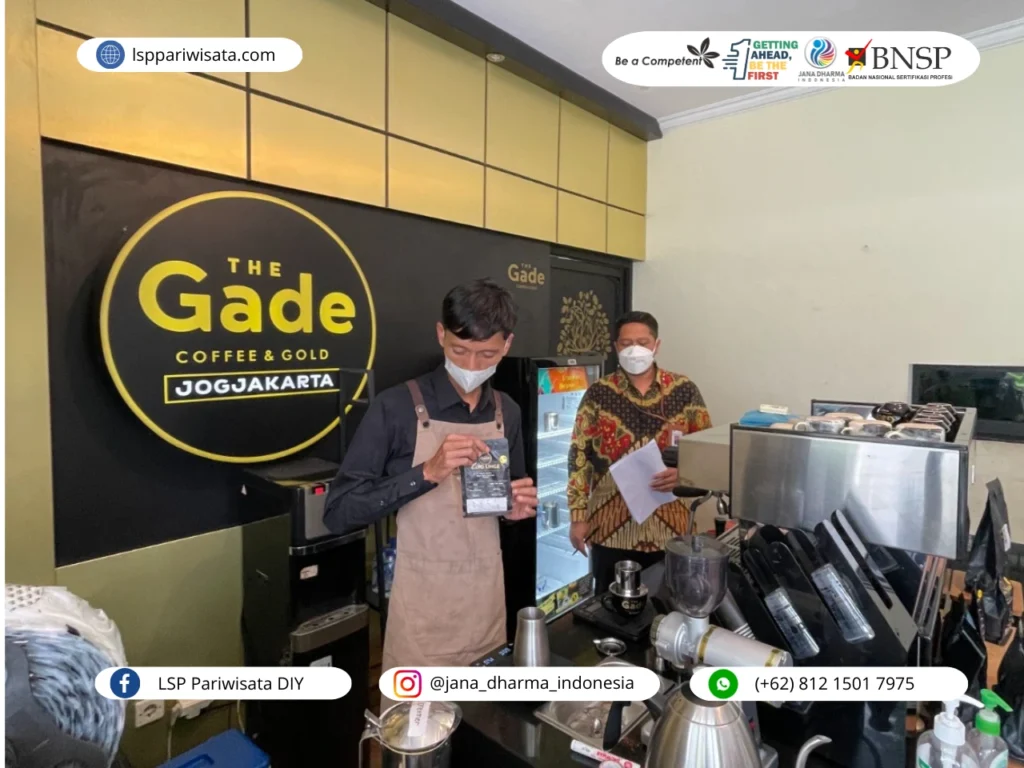
In the fast-growing coffee industry, being a skilled barista is no longer just an ordinary job. Mastering espresso techniques is fundamental for any barista striving to succeed. Through barista certification, coffee professionals can acquire the knowledge, skills, and confidence required to produce high-quality espresso and offer customers unforgettable coffee experiences. This article will explain the importance of mastering espresso techniques through barista certification and how it paves the way for success in the coffee industry. Fundamental Espresso Techniques Espresso techniques are crucial for creating high-quality coffee beverages. Essentially, espresso involves the extraction of hot water under high pressure through finely ground coffee to produce a concentrated, aromatic coffee drink. Barista certification allows coffee professionals to deeply understand the espresso extraction process, including water temperature, extraction pressure, the correct extraction time, and the use of equipment like espresso machines and grinders. Mastering these basics forms the foundation for more advanced espresso-making skills. Hands-on Practice and Practical Training A major component of barista certification is hands-on practice, which involves directly preparing espresso in real-world situations. Through this training, participants can apply the knowledge they’ve gained, refine their techniques, and address any challenges they may face in making espresso. Practical training also provides opportunities for feedback from instructors and peers, helping participants to rapidly improve their skills. Understanding Coffee Bean Varieties Mastering espresso techniques also requires an understanding of different coffee bean varieties and how their unique characteristics affect the final espresso extraction. Barista certification teaches professionals about the differences between Arabica and Robusta beans, the geographical origins of coffee, and other factors that influence coffee quality and flavor. This knowledge enables baristas to make better choices in selecting coffee beans for espresso making. Equipment Maintenance and Care Alongside mastering espresso techniques, barista certification covers the proper care and maintenance of coffee equipment, particularly espresso machines and grinders. Skilled baristas need to be able to maintain their equipment to ensure it performs optimally, producing consistent, high-quality espresso. This includes regular maintenance, cleaning, calibration, and troubleshooting common equipment issues. Mastering Latte Art In addition to basic espresso-making techniques, skilled baristas can also develop impressive latte art skills. Latte art involves pouring steamed milk into espresso to create aesthetic patterns or designs on the coffee’s surface. Through barista certification, coffee professionals learn basic latte art techniques, such as creating tulips, hearts, and rosettas. Mastery of latte art not only enhances the visual appeal of coffee but also reflects the barista’s precision and expertise. Conclusion Mastering espresso techniques through barista certification is a crucial step for coffee professionals aiming for success in the competitive coffee industry. Certification provides the knowledge, skills, and confidence needed to create high-quality espresso and offer memorable coffee experiences. By learning the fundamentals of espresso, practicing in real-life scenarios, understanding coffee varieties, maintaining equipment, and developing latte art skills, baristas can establish themselves as experts in the art and science of coffee. To achieve success in the coffee industry, LSP Pariwisata Jana Dharma Indonesia offers a comprehensive barista certification program. Join now to enhance your skills, knowledge, and opportunities in the dynamic coffee world. Don’t miss the chance to contribute to the success of Indonesia’s coffee industry. Barista certification is not just a piece of paper but a key to achieving excellence in the coffee industry. By improving quality, innovation, and business ethics, barista certification has a far-reaching positive impact. Join LSP Pariwisata Jana Dharma Indonesia now and seize the opportunity to become a professional barista, contributing to the growth of Indonesia’s coffee industry. For further information please contact us through : WhatsApp : +6282322795991 Telephone : 0274 543 761 Instagram : @jana_dharma_indonesia Email : [email protected]
Standar Kebersihan dan Kualitas dalam Layanan Laundry Hotel
Bidang Hospitality, Blog, EN

Career Development and Skill Enhancement Opportunities for Laundry Attendants

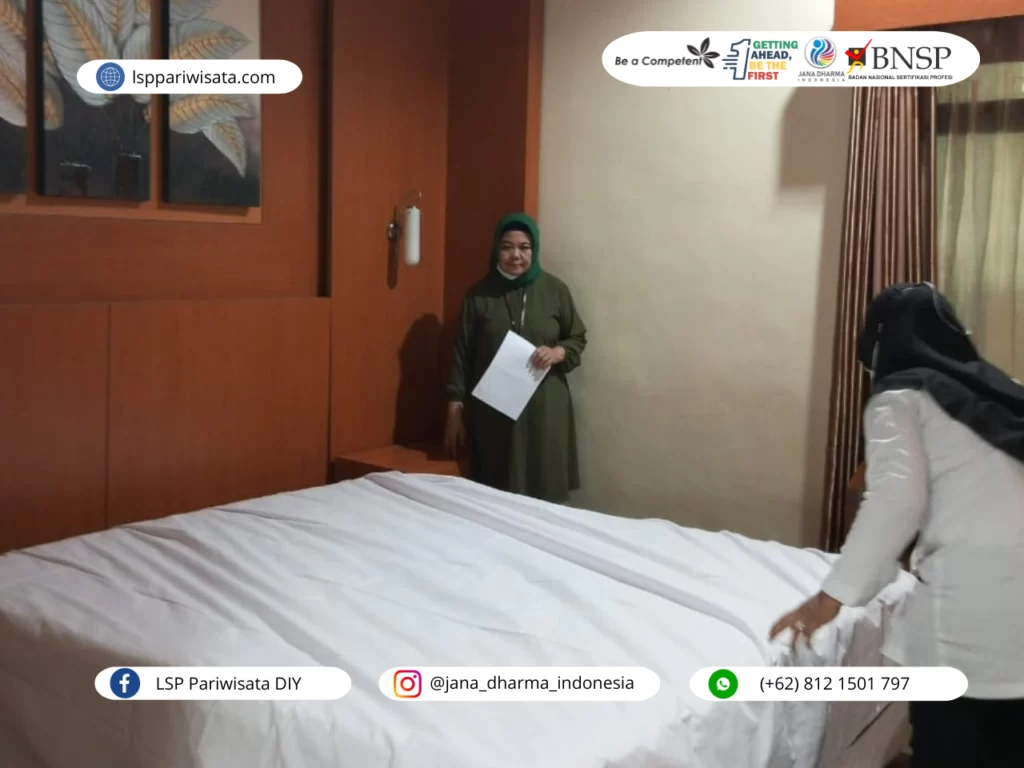
Though the profession of a laundry attendant may seem straightforward, it holds significant potential for career growth and skill improvement. With the rapid expansion of Indonesia’s tourism industry, the demand for skilled professionals in this sector is also increasing. In the hospitality and service industries, laundry attendants play a crucial role in ensuring cleanliness and guest comfort. Satisfied guests often lead to increased customer loyalty, which positively impacts hotel profitability. This opens up the potential for career advancement for laundry attendants. The article outlines several ways to develop their careers and skills. Training and Certification One of the best ways for laundry attendants to improve their skills and career opportunities is through training and certification. Various institutions offer specialized training programs covering areas such as efficient washing techniques, safe handling of chemicals, and inventory management. Earning certification can enhance a laundry attendant’s credibility and professional value, leading to potential promotions and pay raises. Mastering Technology and Management Systems In today’s digital age, being proficient in technology and management systems provides a significant advantage for laundry attendants. Many modern hotels and laundry services use computerized management systems to track and manage processes efficiently. By mastering these systems, attendants can work more efficiently, reduce errors, and offer better service to guests. Communication and Customer Service Skills Although the job primarily involves technical tasks, communication and customer service skills are equally important. Laundry attendants often interact with guests, addressing their laundry preferences and handling specific requests or complaints. Developing these skills helps attendants provide better customer experiences and increase guest satisfaction. Time Management and Organizational Skills Time management and organizational abilities are essential for laundry attendants, who often juggle numerous tasks within tight schedules. Efficiently organizing their time and workspace allows them to maintain productivity and service quality. Training focused on these areas can significantly improve their work efficiency. Staying Informed on Industry Trends The laundry and textile care industry is constantly evolving, with innovations in technology, more efficient washing methods, and new clothing care trends. Laundry attendants looking to advance their careers should stay updated on these developments. Attending seminars or reading up on the latest industry literature can help them remain competitive. Opportunities to Become a Supervisor or Manager With enough experience and skills, a laundry attendant can rise to higher positions such as laundry supervisor or manager. These roles require leadership abilities, team management skills, and a deeper understanding of laundry operations. With additional training and relevant work experience, laundry attendants can achieve these career goals and enjoy greater responsibilities and rewards. Conclusion The role of a laundry attendant offers substantial opportunities for career development and skill enhancement within the hospitality and service industries. With proper training, mastery of technology, effective communication skills, strong time management, and updated industry knowledge, laundry attendants can advance their careers. LSPP Jana Dharma Indonesia offers a comprehensive certification program for laundry attendants, equipping participants with the necessary skills and knowledge to succeed in this profession. Join us to be part of a professional community dedicated to maintaining high standards in service and cleanliness. For further information please contact us through : WhatsApp : +6282322795991 Telephone : 0274 543 761 Instagram : @jana_dharma_indonesia Email : [email protected]
Pentingnya Sertifikasi Teknis Industri Pariwisata
Bidang Hospitality, Blog, EN

The Benefits of Technology for Waiters: Enhancing Efficiency and Customer Experience

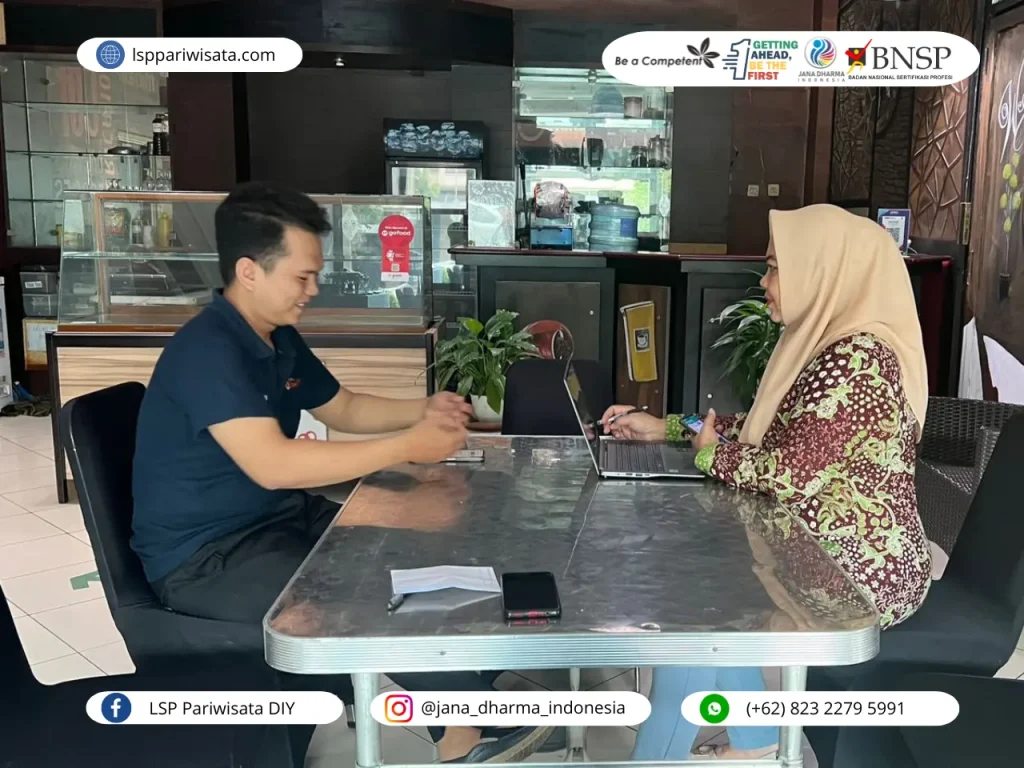
In the hospitality and restaurant industry, technology has become an integral part of improving operational efficiency and customer experience. Waiters, in particular, can reap significant benefits from the integration of technology into their daily tasks, leading to smoother operations and better service. Digital Ordering One of the greatest advantages of technology for waiters is the adoption of digital ordering systems. With online or app-based ordering systems, customers can place their orders before arriving at the restaurant or hotel. This reduces wait times and allows waiters to better prepare for customer arrivals, minimizing order mistakes and ensuring accuracy. Faster Order Communication Technology enables waiters to quickly relay orders to the kitchen or bar. POS (Point of Sale) systems linked to the kitchen or bar allow waiters to send orders instantly, reducing the time it takes for orders to be processed. This results in faster service and increased customer satisfaction. Real-Time Menu and Availability Updates POS systems connected to the restaurant or hotel’s inventory provide real-time updates on available menu items. This helps waiters avoid situations where they need to inform customers that a certain dish is no longer available, improving overall efficiency and guest satisfaction. Personalized Service Technology allows waiters to personalize services for each customer more easily. POS systems that track customer preferences, food allergies, or special occasions like birthdays enable waiters to provide tailored experiences that cater to individual needs and preferences. Efficient Payment Management Digital payment systems make it easier for waiters to manage customer transactions. Contactless payments, credit card payments, or e-payment apps streamline the payment process, reduce transaction times, and minimize the risk of errors in billing. Skills Training and Development Technology also facilitates the ongoing training and skill development of waiters. Online training apps and e-learning platforms allow waiters to access educational materials anytime, anywhere, helping them improve customer service skills, menu knowledge, or communication abilities. Collecting Customer Feedback Lastly, technology simplifies the process of collecting customer feedback. Restaurants and hotels can use apps or online survey platforms to gather feedback about a customer’s experience, allowing waiters to assess their performance and identify areas for improvement. Conclusion In an increasingly connected and digitized world, technology is becoming indispensable for waiters in performing their duties efficiently while delivering satisfying customer experiences. From digital ordering to personalized service and payment management, technology offers numerous benefits, helping waiters enhance the quality of service they provide to their customers. For further information please contact us through : WhatsApp : +6282322795991 Telephone : 0274 543 761 Instagram : @jana_dharma_indonesia Email : [email protected]
ratus jawa
Bidang SPA, Blog, EN

Ethics and Local Cultural Values in Postpartum Care Certification: Building Quality Service Based on Local Wisdom

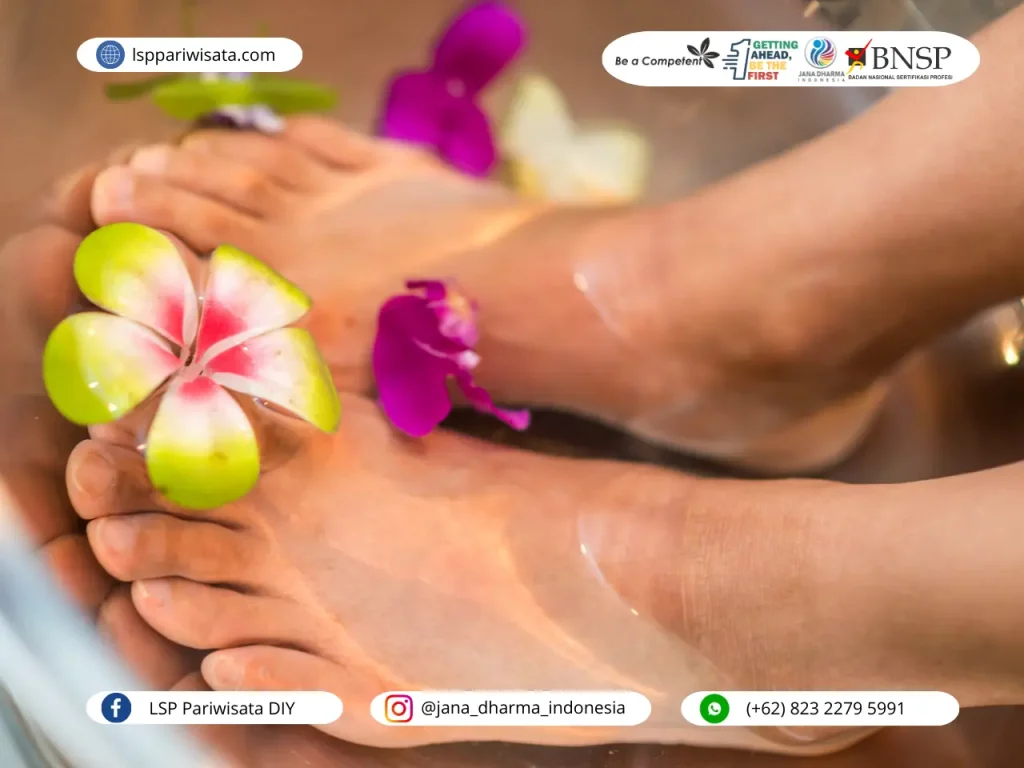
Certification in postpartum care goes beyond medical and technical skills. To provide holistic and effective services, it is essential to incorporate ethics and local cultural values into postpartum care practices. This not only strengthens the relationship between care providers and patients but also respects and responds to the unique needs of each family. The following article highlights the importance of ethics and local cultural values in postpartum care certification. The Importance of Understanding Local Cultural Values A professional in postpartum care certification must deeply understand the local cultural values of the region or community they serve. These values include social norms, beliefs, and traditions that shape societal views on pregnancy, childbirth, and postpartum care. Recognizing these values helps establish trust between service providers and the families they care for. Tailoring Care Plans to Families’ Beliefs and Preferences Postpartum care certification isn’t just about applying medical procedures; it also involves adapting care plans to align with families’ beliefs and preferences. Some families may have specific religious traditions, hygiene practices, or special rituals they wish to follow after childbirth. Professionals who respect and understand these preferences can offer more personalized and relevant care. Respecting Family Principles and Social Support In some cultures, the concept of family is heavily emphasized. A postpartum care professional must be able to work closely with the patient’s family and support their active involvement in the care process. This includes making joint decisions, listening to the family’s concerns, and creating space for social support that strengthens family bonds. Cultural Sensitivity in Communication Communication is key in postpartum care. A professional certified in postpartum care must be aware of cultural sensitivity when communicating. This involves understanding the family’s language, being mindful of specific communication norms, and adjusting approaches to ensure messages are delivered with respect and clarity. Openness to Alternative and Traditional Health Practices Many families rely on alternative and traditional health practices to support postpartum care. A certified professional should remain open to these approaches and possess knowledge of common local health practices. Integrating safe and appropriate alternative health methods can enhance the quality of care. Cultural Competence in Managing Differences Postpartum care professionals often work with families from diverse cultural backgrounds. The ability to navigate these differences wisely and respectfully is a valuable skill. This may involve listening without judgment, asking to better understand, and creating a safe space to discuss cultural differences. The Role of Ethics in Care Decisions Ethics in postpartum care certification involves making care decisions based on moral principles and ethical norms. This includes respecting patients’ rights, maintaining the confidentiality of personal information, and making decisions aligned with local moral and cultural standards. Good ethics foster trust between service providers and families. Cultural Education and Outreach Certified professionals in postpartum care can play an important role in educating others about the cultural values relevant to postpartum care. This education helps eliminate misunderstandings and reduces stigma associated with certain practices or beliefs, fostering respect for cultural diversity in healthcare settings. Self-Evaluation and Continuous Professional Development Postpartum care professionals should continually evaluate their ethical practices and cultural awareness. This includes reflecting on their caregiving experiences and assessing whether their decisions and actions align with appropriate cultural values and ethics. Continuous professional development, through additional training or advanced certification programs, helps enhance their understanding and skills in integrating ethics and cultural values into everyday practice. Collaboration with Local Cultural Stakeholders Collaborating with local cultural stakeholders, such as religious leaders, community leaders, or traditional health practitioners, can strengthen the integration of cultural values in postpartum care. This cooperation enables service providers to gain deeper insights into the values held by the local community and to align their practices with the prevailing cultural norms. Conclusion Certification in postpartum care is not just about technical skills; it’s also about building relationships based on ethics and local cultural values. Certified professionals must understand and respect cultural diversity, recognize the values that shape families’ worldviews, and apply responsive and holistic care practices. By integrating ethics and cultural values into postpartum care certification, we can create an inclusive, respectful, and effective care environment for all families on their postpartum journey. For further information please contact us through : WhatsApp : +6282322795991 Telephone : 0274 543 761 Instagram : @jana_dharma_indonesia Email : [email protected]
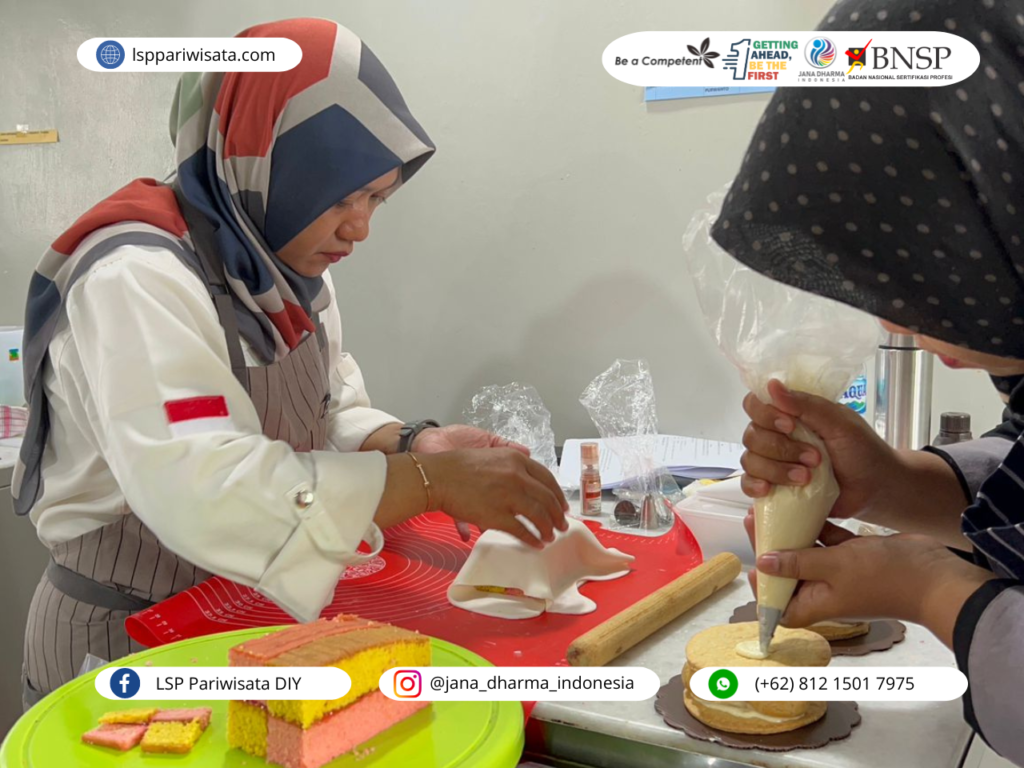
tantangan yang sering dihadapi oleh baker di industri roti kue
Bidang Food & Beverage, Blog, EN

The Vital Role of Bakers’ Knowledge in Administering Basic First Aid

Being a baker involves more than just crafting delicious baked goods; it also requires knowledge and readiness to perform basic first aid. A kitchen can be a creative space but also a dangerous one, with risks like hot stoves and sharp knives. In such a hazardous environment, bakers must be equipped to handle emergencies swiftly and effectively. This article highlights the importance of bakers‘ knowledge of first aid procedures and how it enhances workplace safety. Preparedness for Accidents A kitchen is a high-risk environment, filled with potential dangers like sharp tools and hot surfaces. Bakers must be trained to recognize emergency situations—such as burns, cuts, or falls—and administer appropriate first aid before professional medical help arrives. Their knowledge ensures that minor accidents don’t escalate into major injuries. Handling Minor Injuries Knowing basic first aid allows bakers to treat minor injuries such as cuts and burns promptly and effectively. For example, cleaning and bandaging a cut or cooling a minor burn can prevent further complications. Immediate care speeds up recovery and minimizes the disruption caused by accidents at work. Addressing Serious Medical Emergencies Bakers must also be prepared for more severe medical emergencies like heart attacks or fainting episodes. Understanding symptoms and knowing life-saving measures—such as chest compressions or artificial respiration—can make the difference between life and death. Thus, first aid training is critical in improving workplace safety. Quick Response and Team Coordination In emergencies, a fast response and teamwork are crucial for minimizing harm. A baker trained in first aid can act quickly, offering assistance to the injured and coordinating with co-workers and medical professionals. This ensures that first aid is administered effectively, preventing further injuries. Accident and Injury Prevention First aid knowledge also plays a preventative role. By being aware of potential hazards and practicing safe work habits—like using protective gear and following hygiene protocols—bakers can reduce the risk of accidents. This leads to a safer work environment and boosts productivity. Conclusion A baker’s understanding of basic first aid is invaluable in the high-risk kitchen environment. With skills to manage emergencies, respond swiftly, and prevent injuries, bakers not only ensure their own safety but also that of their co-workers. Therefore, first aid training should be a top priority for any baker who wants to maintain a safe, efficient, and productive workplace. For further information please contact us through : WhatsApp : +6282322795991 Telephone : 0274 543 761 Instagram : @jana_dharma_indonesia Email : [email protected]
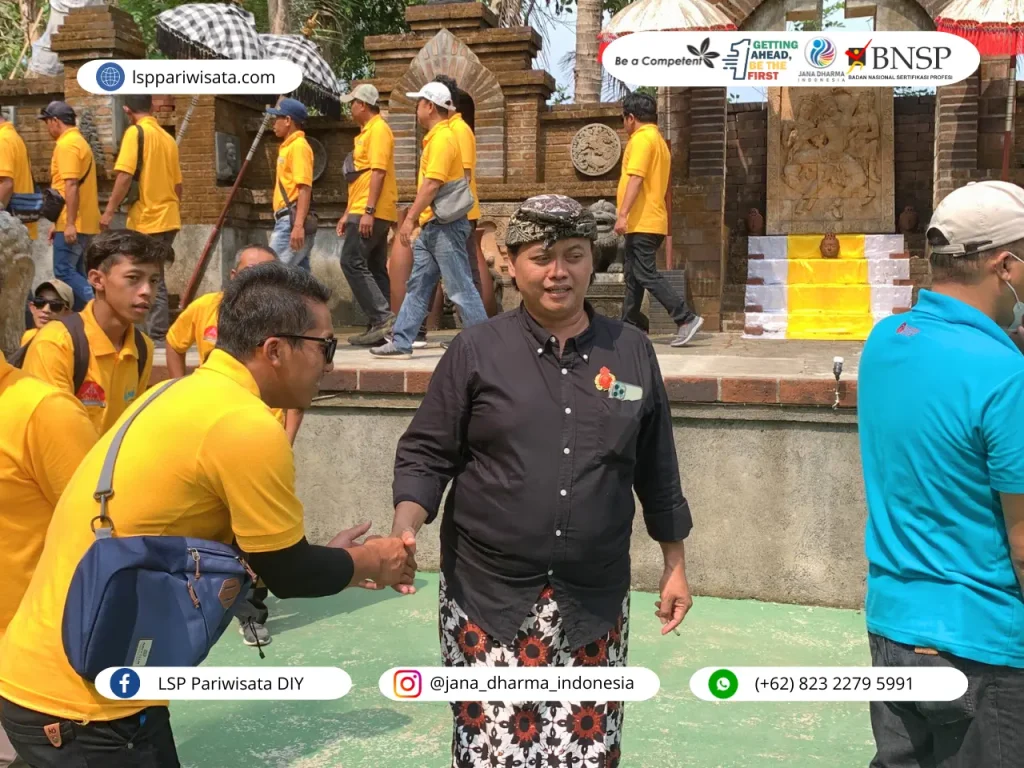
mengatasi konflik pemandu museum
Bidang Guide, Blog, EN

The Challenges and Excitement of Being a Local Museum Tour Guide

A tour guide plays a critical role in the tourism industry, especially when guiding visitors through local museums. Their responsibilities go beyond sharing historical and cultural information; they also create memorable experiences for visitors. Being a local museum tour guide is not an easy task, as it comes with its own set of challenges while also offering unique excitement. As the first person visitors encounter at a museum, a tour guide must capture their attention and leave a good impression. Local museum guides provide insights into history and the museum’s collections, often sharing rare and unknown stories that can be a big draw for tourists. Let’s explore the key challenges and excitement involved in being a local museum tour guide: Challenges Faced by Local Museum Guides Visitors’ Limited Knowledge Visitors come with different levels of understanding about history and art. Guides must adapt to these varying levels of knowledge and explain information in a way that everyone can easily understand. Preserving Artefacts Museum artefacts are often valuable and delicate. Guides must ensure that visitors respect the artefacts and avoid any actions that might damage them. Catering to Diverse Visitor Needs Some visitors may have special needs, such as limited mobility or hearing impairments. Guides need to be sensitive and inclusive, ensuring all visitors have a great experience. Explaining Complex Topics Some historical or artistic topics may be challenging for visitors to grasp. Guides must have the ability to simplify these concepts in an engaging and understandable manner. Handling Unexpected Questions Every tour group is different, and guides might face unpredictable questions. They need to be ready to answer confidently while keeping the tour on track. Conclusion Despite these challenges, being a local museum tour guide also offers immense joy. The excitement comes from sharing historical and cultural wealth with others and seeing the wonder in visitors’ eyes as they marvel at the stories. Guiding tours in a museum allows the guide to bridge the past and present, reviving stories that may otherwise be forgotten. To improve the quality of local museum tour guides, it’s crucial to support them through appropriate training and certification. One organization that offers certification in tourism is LSP Pariwisata Jana Dharma Indonesia. Through this certification, guides can deepen their knowledge, improve their communication skills, and expand their understanding of tourism management. By obtaining certification from LSP Pariwisata Jana Dharma Indonesia, local museum guides can enhance their professionalism and provide more satisfying experiences for visitors. Additionally, this certification can open up broader career opportunities in the tourism industry. Join the effort to improve the quality of local museum guides. Enroll in certification programs at LSP Pariwisata Jana Dharma Indonesia, and be part of preserving and sharing our rich cultural heritage with the world. Through knowledge and skills gained from certification, we can create more meaningful and memorable museum tour experiences. For further information please contact us through : WhatsApp : +6282322795991 Telephone : 0274 543 761 Instagram : @jana_dharma_indonesia Email : [email protected]
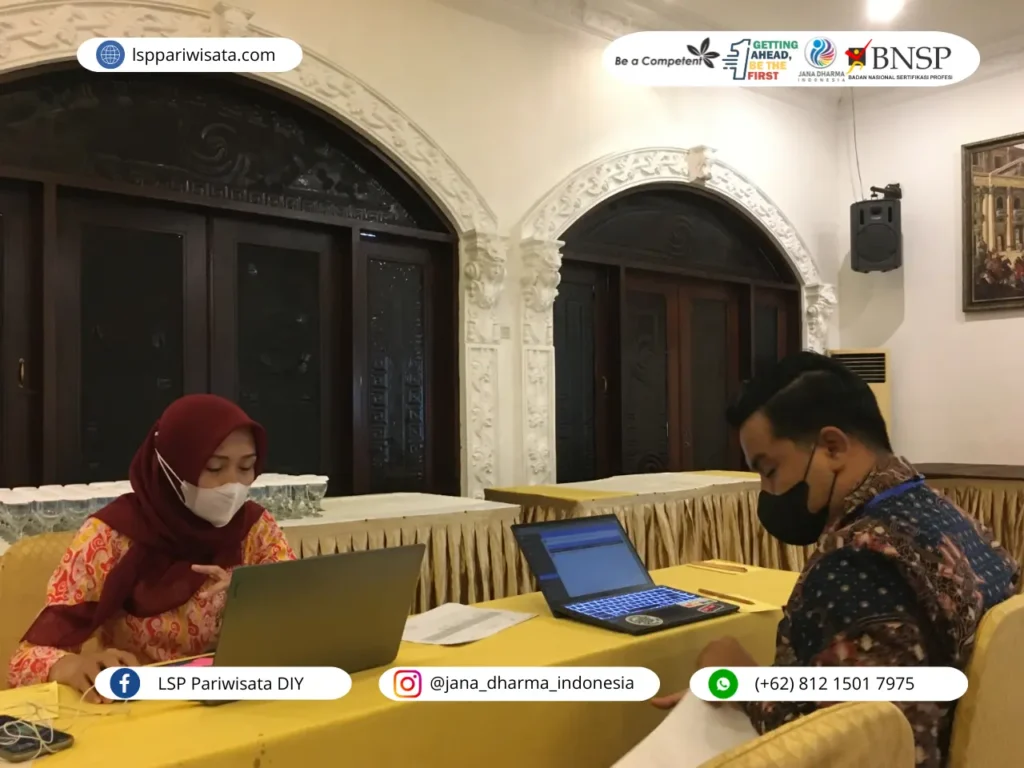
Kenali Peran Pemandu Museum dalam Pariwisata Pendidikan
Bidang MICE, Blog, EN

Enhancing Professionalism and Excellence through Continuous Certification for a Bidding Specialist

In today’s competitive business environment, the role of a bidding specialist is increasingly crucial to a company’s success. To stay relevant and excel in their role, obtaining and maintaining continuous certification is vital. This article discusses the significance of continuous certification for bidding specialists and how it enhances their professionalism and job performance. Deep Industry Knowledge Continuous certification offers bidding specialists the opportunity to constantly deepen their understanding of the bidding industry. Certification programs involve updates on the latest developments, trends, and best practices in bidding. Through continuous learning, bidding specialists can stay informed about industry changes and incorporate the latest knowledge into their bidding strategies. Staying Updated on Laws and Regulations The bidding industry is often governed by various laws and regulations. Continuous certification ensures that bidding specialists are up-to-date on the latest legal requirements related to the bidding process. This is essential for ensuring company compliance and avoiding potential legal issues that could arise from misunderstanding regulatory changes. Enhanced Technical Skills Certification programs also provide opportunities to improve technical skills. This includes mastering new software and technologies that support the bidding process. With evolving technical skills, a bidding specialist can optimize efficiency in designing and developing competitive bids. Improved Bid Strategy and Presentation Continuous certification helps bidding specialists refine their bid strategies and presentations. They gain insights into the latest negotiation techniques, offer marketing methods, and effective ways to highlight a company’s unique value in proposals. The ability to craft compelling offers and persuasive presentations can be the key to winning bidding projects. Professional Networking Opportunities Certification programs often involve participation in seminars, conferences, or online communities attended by professionals in the same field. These activities provide bidding specialists with opportunities to expand their professional networks. By exchanging experiences, ideas, and strategies with fellow bidding professionals, they gain new perspectives and open doors for valuable collaboration. Building Customer Trust and Enhancing Company Reputation Holding continuous certification signals to potential clients that a bidding specialist is committed to continuously developing their knowledge and skills. Customer confidence increases when they realize that a specialist is consistently updating their credentials and adhering to industry standards. This also contributes positively to the company’s reputation among clients and potential partners. Better Project Management Skills Continuous certification often involves training in project management. For a bidding specialist, having strong project management skills is essential for efficiently managing bids. With a solid understanding of project management, bidding specialists can coordinate their teams more effectively, wisely manage resources, and tackle project challenges with greater confidence. Improved Communication and Negotiation Skills Effective communication and strong negotiation abilities are critical in the role of a bidding specialist. Through continuous certification, they can hone these skills through ongoing training and education. Enhanced communication and negotiation skills help bidding specialists interact more effectively with customers, partners, and internal teams. Risk Analysis and Management Continuous certification often covers aspects of risk analysis and management in the bidding process. This enables a bidding specialist to identify potential risks that could arise during projects and develop strategies to manage them. The ability to analyze and manage risks effectively is a highly valued skill in both the business and bidding world. Better Understanding of Customer Needs Through continuous certification, bidding specialists can gain a deeper understanding of customer needs and expectations. This involves learning about the latest market trends, changes in customer preferences, and industry dynamics. With a better grasp of these factors, bidding specialists can craft offers that better align with customer needs, increasing the chances of winning projects. Conclusion Continuous certification is not just a formality; it’s an investment in a bidding specialist’s personal development. By undergoing continuous certification, they can continuously sharpen their skills, update their knowledge, and maintain their competitive edge. This process benefits not only the individual but also the company they represent. As a bidding specialist, committing to continuous certification is a proactive step toward long-term success in a rapidly evolving industry. For further information please contact us through : WhatsApp : +6282322795991 Telephone : 0274 543 761 Instagram : @jana_dharma_indonesia Email : [email protected]
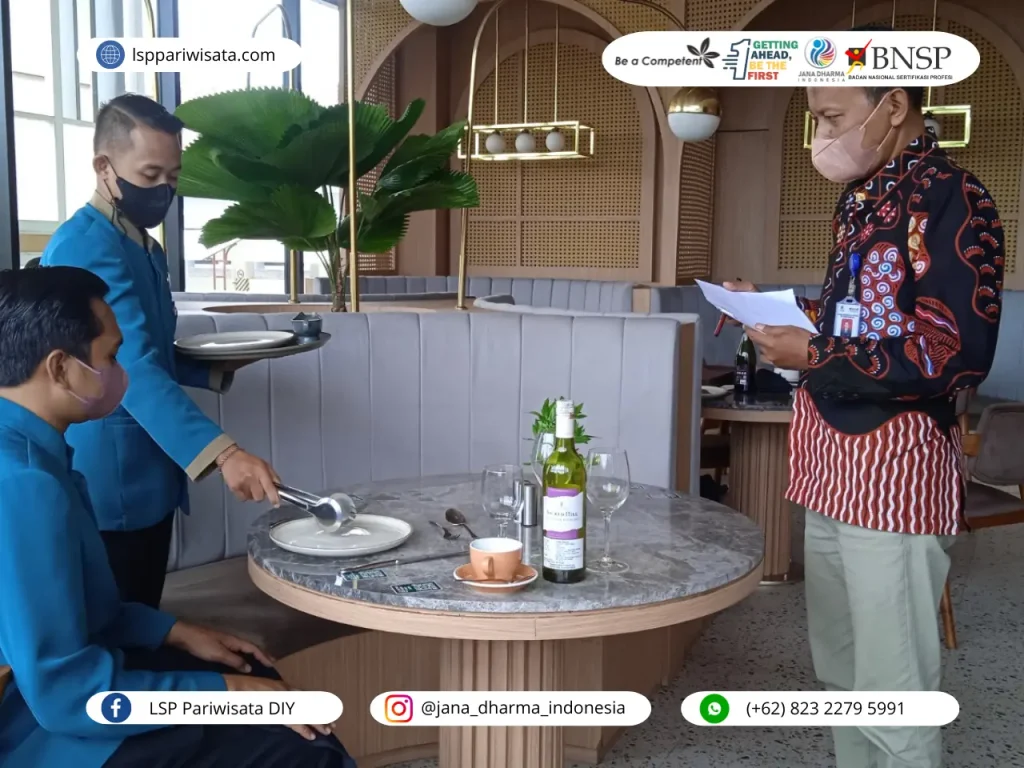
Manfaat Sertifikasi Waiter
Blog, EN

How to Start a Career as a Professional Tourism Assessor: A Step-by-Step Guide

The tourism industry is continuously growing, offering exciting career opportunities for those interested in becoming professional tourism assessors. A tourism assessor plays a vital role in guiding and providing travelers with the necessary information to enhance their travel experience. Here’s a step-by-step guide to starting a career as a professional tourism assessor: Education and Training The first step is obtaining relevant education and training. A formal education in tourism, cultural studies, or hospitality management can give a solid foundation. Additionally, specialized training in tour guiding, communication, and knowledge of specific destinations will further enhance qualifications. Mastering Foreign Languages Being able to communicate in multiple languages is a significant advantage, especially in destinations with international tourists. Language skills will make interactions smoother and enrich the travelers’ experience. Familiarity with Tourist Destinations A tourism assessor needs to deeply understand the destination they work in, including tourist attractions, history, local culture, culinary specialties, and transportation services. Knowing the destination well ensures accurate and relevant information for travelers. Building Networks and Relationships Building strong networks in the tourism industry is crucial. This includes working with travel agencies, fellow tour guides, local service providers, and other stakeholders. A strong network can open doors to more job opportunities and broaden knowledge in the field. Obtaining Tour Guide Certification Many destinations or countries require recognized qualifications for tour guides. Obtaining certification is a key step in proving the necessary credentials. Many tourism institutions or colleges offer such certification programs. Developing Communication and Customer Service Skills Good communication and friendly customer service are critical to success. Travelers look for informative and enjoyable experiences, and these skills ensure positive interactions. Understanding travelers’ needs and offering friendly service are essential. Learning the Latest Tourism Technology As the tourism industry evolves, staying updated on technology like travel apps, online booking platforms, and navigation tools is crucial. These tools can enhance travelers’ experiences and streamline operations. Working with Travel Agencies or Tourism Bureaus Starting out by collaborating with travel agencies or tourism bureaus is a great way to gain practical experience and build a reputation. These partnerships provide insight into the professional world of tourism assessment. Creating a Portfolio and Marketing Yourself A well-structured portfolio showcasing skills, experience, and knowledge is important. This can include reviews from past clients, photos from handled destinations, and descriptions of services. Additionally, self-marketing through social media or a personal website boosts visibility and attracts more clients. Keeping Knowledge Updated Tourism is a dynamic field, and staying informed about industry trends and destinations is vital. This can be done through continuous learning via training courses, industry seminars, or reading the latest travel literature. Exploring Freelance or Entrepreneurial Opportunities Some tourism assessors opt for freelance work or starting their own business. While it requires additional business management skills, it offers flexibility and the freedom to design unique travel experiences. Continuously Seeking Feedback and Self-Evaluation Feedback from clients is a valuable tool for growth. Being open to positive feedback and constructive criticism ensures continuous improvement in knowledge, skills, and service strategies. Conclusion Starting a career as a professional tourism assessor requires a mix of education, experience, and interpersonal skills. By diligently following these steps and committing to lifelong learning, one can build a successful and fulfilling career in this dynamic industry. The role of a tourism assessor offers the opportunity to meet people from diverse cultures and contribute to their travel experiences, making it an attractive profession for those passionate about exploring the world and sharing their knowledge. For further information please contact us through : WhatsApp : +6282322795991 Telephone : 0274 543 761 Instagram : @jana_dharma_indonesia Email : [email protected]

Scroll to Top