EN

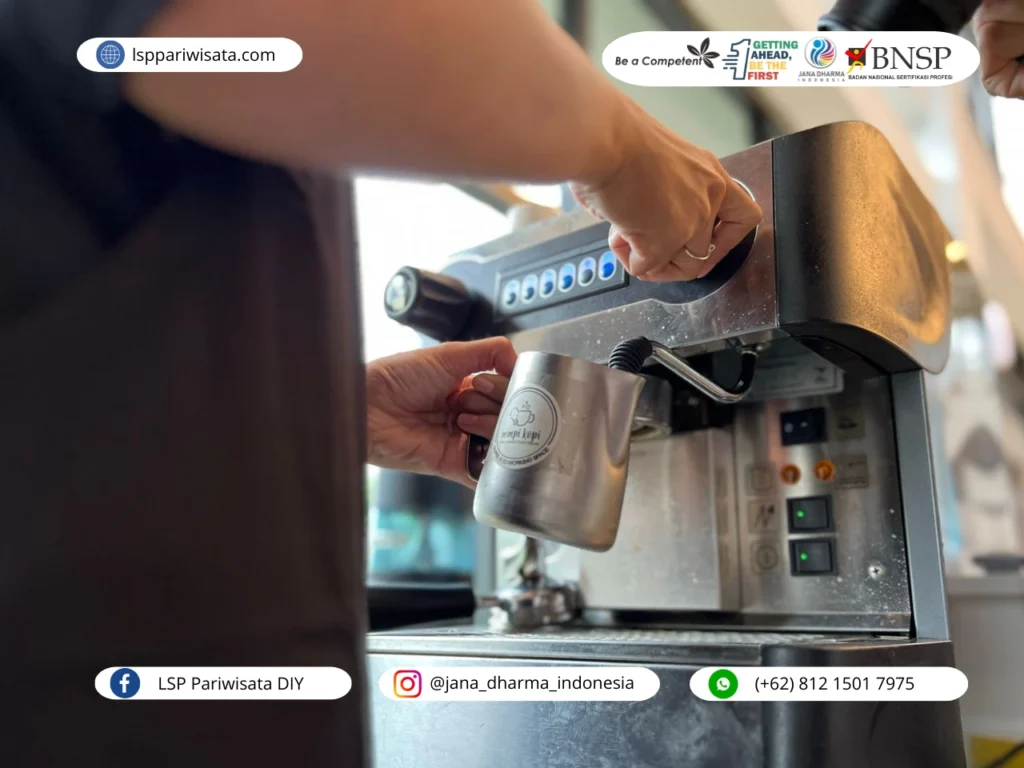
dua orang barista sedang mengikuti uji kompetensi profesi sebagai barista, berikut jenjang karir seorang barista
artikel sertifikasi profesi pariwisata, Bidang Ekonomi Kreatif, Blog, EN

Gaining Professional Recognition Through Barista Certification

The coffee industry in Indonesia is rapidly growing, creating exciting career opportunities for baristas. One way to gain formal and widely recognized expertise is through barista certification. This article discusses the importance of professional recognition in the barista field through a structured and relevant certification process. Starting Your Career with Barista Certification What is Barista Certification? Barista certification is an official process that assesses and validates a person’s skills in the art and science of coffee making. This process involves a series of practical and theoretical exams covering knowledge about coffee beans, preparation techniques, and customer service. Benefits of Obtaining Barista Certification Professional Recognition Certification provides professional recognition of a barista’s skills. The certificate serves as proof of competence that is acknowledged by the coffee industry and customers. Broader Career Opportunities Certification opens up wider career opportunities. Many cafes and coffee companies prefer baristas with certification as it demonstrates they have met certain competency standards. The Certification Process Preparing for the Exam Before taking the exam, aspiring baristas need to prepare thoroughly. This includes deep knowledge of coffee beans, coffee types, grinding techniques, and proper brewing practices. Practical and Theoretical Exams The certification process includes practical exams such as presenting coffee correctly, creating latte art, and theoretical exams to test knowledge about coffee-making processes and bean selection. Building a Reputation Post-Certification Maintaining and Developing Skills After obtaining certification, a barista should continue to maintain and develop their skills. The coffee industry is always evolving, and baristas who keep learning will remain relevant and recognized. Participating in Barista Communities Joining local or online barista communities is a great way to build a professional network and continue gaining support. Interacting with fellow baristas can provide new insights and help continually improve one’s craft. Conclusion Barista certification is a significant step towards gaining recognition in the coffee world. This process not only provides professional acknowledgment but also opens doors to broader career opportunities. For those passionate about excelling in the barista profession, certification is the key to achieving deserved recognition. The Professional Certification Body (LSP) Jana Dharma Indonesia offers a Barista certification scheme that issues official BNSP certificates. Register now and become competent! For further information please contact us through : WhatsApp : +6282322795991 (Ninda) Telephone : 0274 543 761 Instagram : @jana_dharma_indonesia Email : [email protected]
Pentingnya sertifikasi barista dalam bisnis kopi
artikel sertifikasi profesi pariwisata, Bidang Ekonomi Kreatif, Blog, EN

Barista Certification as a Preparation for the Future Coffee Industry

The coffee industry has seen rapid growth over recent decades, becoming an integral part of modern lifestyles. In this ever-evolving world, a barista’s role extends beyond simply serving a cup of coffee; they are now artists creating unique experiences for coffee enthusiasts. This article discusses the importance of barista certification and how being prepared for the coffee industry can shape one’s future. Why is Barista Certification Important in the Coffee Industry? Certification encompasses not just the basic skills of brewing coffee but also provides a deep understanding of coffee beans, roasting techniques, and presentation art. With certification, a barista can demonstrate their skills to both customers and employers. Here are some key points: Enhancement of Technical Skills Barista certification covers technical aspects such as correctly grinding coffee beans, determining the appropriate water pressure, and mastering coffee extraction techniques. These skills are essential for producing coffee with consistent and high-quality flavor. Knowledge of Coffee Beans A certified barista is not only skilled in serving coffee but also knowledgeable about the origins and characteristics of coffee beans. This allows them to inform customers about various types of coffee and the flavors they produce. Creativity in Presentation Certification encourages creativity in coffee presentation. By learning techniques like latte art, creating innovative coffee drinks, and understanding visual aesthetics, a barista can offer an impressive experience to customers. Awareness of Quality and Sustainability Certification focuses on practical skills and important values such as sustainability and product quality. Certified baristas are typically more conscious of the coffee supply chain and seek ways to support sustainable practices. Readiness for the Future Coffee Industry The coffee industry is continually transforming with new trends, innovative technologies, and evolving consumer expectations. How can a barista prepare for this dynamic future? Adaptation to Technology  The coffee industry increasingly adopts advanced technologies such as automated coffee machines, ordering apps, and digital payments. Baristas who adapt to these technologies will have an advantage in improving operational efficiency and enhancing customer experiences. Creativity and Innovation The future of the coffee industry requires creative and innovative baristas. By continuously developing new coffee drinks, creating special menus, and collaborating with local artists, a barista can maintain customer interest. Understanding Customers Understanding customer needs and preferences is key to success. Baristas who can read market trends, respond to customer feedback, and create personalized experiences will play a significant role in an increasingly competitive industry. To achieve success in the ever-growing coffee industry, enrolling in the barista certification program at LSPP Jana Dharma Indonesia is highly recommended. This certification will provide you with in-depth knowledge, technical skills, and an understanding of the coffee industry’s dynamics Join the community of top baristas and enhance your qualifications by obtaining your barista certification now! Become a part of the bright future of the coffee industry and continue to deliver exceptional experiences through a perfect cup of coffee! For further information please contact us through : WhatsApp : +6282322795991 (Ninda) Telephone : 0274 543 761 Instagram : @jana_dharma_indonesia Email : [email protected]
Tata krama dan etiket bagi seorang waiter
artikel sertifikasi profesi pariwisata, Bidang Food & Beverage, Blog, EN

Walking in Harmony: How to Communicate with the Kitchen as a Waiter

Effective coordination between the kitchen and waitstaff is crucial to the success of a restaurant in the hospitality industry. As a waiter, your communication with the kitchen plays a vital role in ensuring orders are prepared and served perfectly. Since communication is a two-way exchange of information, it cannot be overlooked. Good communication enhances the reputation of both the individual and the establishment. Here are some tips on how to communicate effectively with the kitchen as a waiter : Understand Kitchen Terminology The kitchen has its own language and jargon. As a waiter, it’s essential to familiarize yourself with common terms used in the kitchen. This knowledge will facilitate smoother communication and prevent misunderstandings. Provide Clear Orders When taking orders from customers, ensure you relay them to the kitchen clearly and in detail. Specify details such as meat doneness, sauce choices, or any special requests. Clear orders help avoid mistakes in the kitchen. Use Effective Communication Systems Modern restaurants often use communication systems like order terminals or electronic messaging to communicate with the kitchen. Make sure you are proficient in using these tools to transmit orders quickly and accurately. Consider the Kitchen Environment The kitchen can be a busy and stressful environment. Be mindful of the right time to communicate with the chefs. Avoid interrupting during peak times and choose appropriate moments to deliver orders or seek clarifications. Build Good Relationships with Chefs Establishing a good relationship with the kitchen team can ease communication. Learn the chefs’ names and show appreciation for their hard work. A positive relationship can streamline workflow and help resolve issues more efficiently. For those looking to become professional and skilled waiters adept at communicating with the kitchen, obtaining waiter certification from LSPP Jana Dharma Indonesia is a wise step. This certification not only enhances your understanding of a waiter’s duties and responsibilities but also provides deep insights into the dynamics of kitchen communication. Join the community of top professionals and enhance your qualifications by enrolling in waiter certification now! Become part of an efficient and harmonious team that ensures the best culinary experience for customers. For further information please contact us through : WhatsApp : +6282322795991 (Ninda) Telephone : 0274 543 761 Instagram : @jana_dharma_indonesia Email : [email protected]
Proposal Event Untuk Sertifikasi Marketing Communication Specialist
artikel sertifikasi profesi pariwisata, Bidang Guide, Blog, EN

Common Questions About the Tour Guide Certification Exam

Common Questions About the Tour Guide Certification Exam What is the Tour Guide Certification Exam? The Tour Guide Certification Exam is an evaluation process designed to assess the knowledge and skills of prospective tour guides. This exam is usually organized by relevant institutions or organizations in the tourism industry to ensure that tour guides have the necessary competence to provide high-quality tour experiences. Why is it Important to Take the Certification Exam? Taking the Tour Guide Certification Exam is crucial for elevating the standards of tourism services. By passing this exam, aspiring tour guides can demonstrate their expertise in delivering accurate information, ensuring the safety of tourists, and providing memorable tour experiences. Additionally, certification enhances professionalism and boosts tourist confidence in tour guides. Preparation Before the Exam How to Prepare for the Exam? Study the Exam Material Thoroughly Before taking the exam, make sure you understand all the material that will be tested. This includes studying the history, culture, geography, and other important information about the tourist destinations you will guide. Attend Specialized Training Various specialized training programs can help candidates prepare. Enroll in courses or workshops offered by reputable institutions in the tourism industry. Simulate Tour Guide Experiences Practice guiding tours to improve communication skills, time management, and problem-solving abilities. Try to present information in an engaging and interactive manner. The Exam Process What are the Steps in the Certification Exam Process? Registration and Requirement Verification Candidates must register and meet the specified requirements, such as having a minimum level of education or completing certain training programs. Oral Exam This part typically includes multiple-choice or essay questions to assess the candidate’s knowledge of tourist destinations, history, and culture. Practical Exam Candidates are evaluated on their ability to deliver information, manage tourist groups, and handle emergency situations during practical sessions. Language Proficiency Assessment Most certification exams also assess language skills, especially for those who will be serving foreign-language-speaking tourists. After the Exam What Should You Do After Completing the Exam? Await Results and Obtain Certification After completing all exam stages, candidates must wait for the results. Successful candidates will receive certification that confirms their status as qualified tour guides. Continuously Improve Knowledge and Skills Since the tourism industry is always evolving, tour guides need to continuously enhance their knowledge and skills. Participate in advanced training, read books, and stay updated with the latest industry developments. By understanding the tour guide certification exam process and preparing thoroughly, you can increase your chances of success and provide unforgettable experiences for tourists. The Professional Certification Body (LSP) Jana Dharma Indonesia offers a certification scheme for Tour Guides, officially issuing BNSP certificates. Register now and become competent! For further information please contact us through : WhatsApp : +6282322795991 (Ninda) Telephone : 0274 543 761 Instagram : @jana_dharma_indonesia Email : [email protected]
Get to Know Bleisure in Tourism
Bidang Guide, EN

Enhancing Team Communication through Enjoyable Outdoor Activities

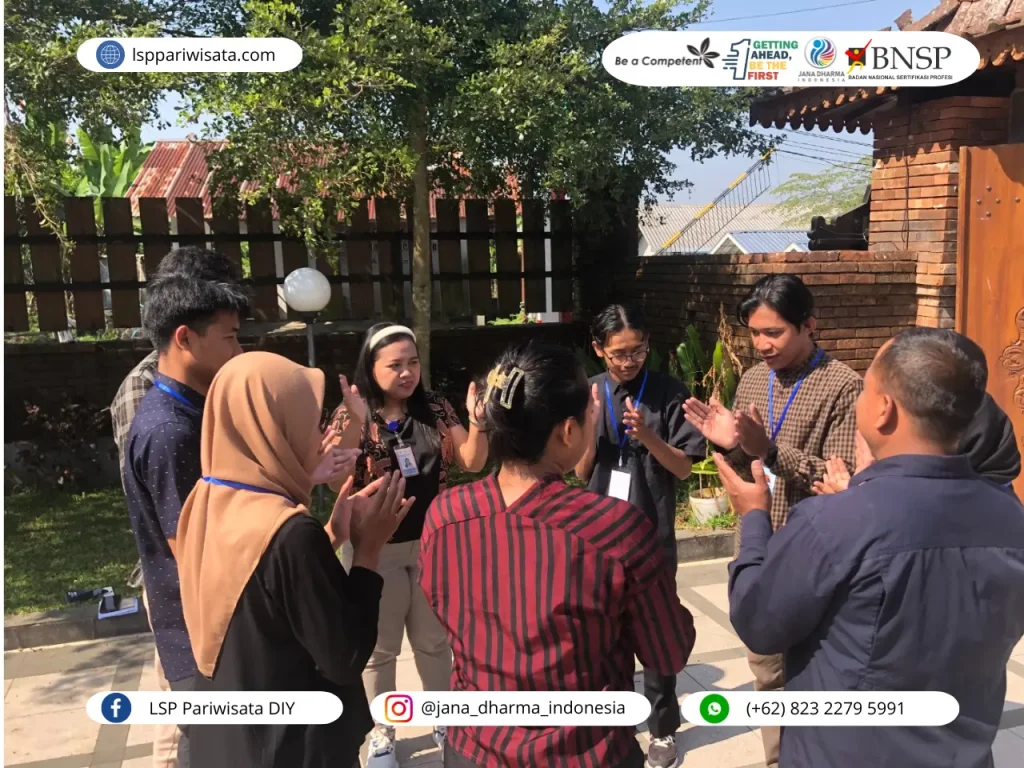
Enhancing Team Communication through Enjoyable Outdoor Activities – Effective communication is the cornerstone of team success. One delightful way to strengthen bonds and improve team communication is through outdoor activities. This article explores how outdoor activities can serve as a platform for honing your team’s communication skills. How Outdoor Activities Serve as a Platform Building Cohesion Through Shared Challenges Outdoor activities often involve collaborative challenges and games. For example, activities like tug-of-war or bridge-building games can be fun ways to develop trust, coordination, and team communication. Through these shared experiences, teams learn how to work together to achieve common goals. Getting to Know Team Members Better Outdoor activities provide an opportunity to get to know team members outside the formal work environment. Through casual conversations and shared activities, teams can build personal connections that enhance workplace communication. A team that knows each other well has a strong foundation for collaboration. Overcoming Challenges Together Being in the great outdoors often presents unforeseen challenges. Teams must learn to adapt and overcome obstacles together. This teaches them problem-solving skills and flexibility, which can help in tackling challenges in the everyday work environment. Also read: Effective Event Branding Management as the Key to Capturing Public Attention Outdoor Activities as Stress Relievers Engaging in outdoor activities can also be an effective stress-relief tool. Through fun games and activities, teams can release tension and boost their mood, which in turn can improve team communication. Becoming a Professional Outbound Leader To deepen leadership skills and harness the full potential of your team, consider pursuing certification as an Outbound Leadership Guide through LSP Pariwisata Jana Dharma. This official certification, issued by BNSP, provides a solid foundation for those looking to lead teams in outdoor settings. Alternatively, reach out via: WhatsApp: +62 82322795991 Phone: 0274 543 761 (Ninda) Instagram: @jana_dharma_indonesia Email: [email protected]

Pengembangan SDM di Bidang Keuangan Hotel
Bidang MICE, EN

Effective Event Branding Management as the Key to Capturing Public Attention

Effective Event Branding Management as the Key to Capturing Public Attention – In today’s competitive landscape, capturing public attention is crucial for the success of any event. Effective event branding management plays a vital role in achieving this goal. By crafting a strong, cohesive brand identity, event organizers can differentiate their event from others, create a lasting impression, and build a loyal audience. Here are some key strategies for effective event branding management: Key Strategies for Effective Branding Management 1. Define a Clear Brand Identity The first step in effective event branding is to define a clear brand identity. This includes determining the event’s mission, vision, values, and unique selling propositions. Understanding what makes your event unique will help you create a brand that resonates with your target audience. 2. Consistent Visual Identity A consistent visual identity is essential for brand recognition. This involves creating a logo, color scheme, typography, and design elements that reflect the event’s personality and theme. Consistency across all visual materials, from promotional flyers to social media graphics, helps in establishing a strong brand presence. 3. Engaging Content Creation Content is king when it comes to branding. Create engaging and relevant content that speaks to your audience’s interests and needs. This includes blog posts, videos, social media updates, and newsletters. High-quality content not only attracts attention but also builds credibility and trust. 4. Leverage Social Media Social media platforms are powerful tools for event branding. Utilize platforms like Facebook, Instagram, Twitter, and LinkedIn to promote your event, share updates, and engage with your audience. Use hashtags, stories, live streams, and interactive posts to create buzz and encourage participation. 5. Influencer Partnerships Collaborating with influencers can amplify your event’s reach. Identify influencers who align with your event’s values and have a strong following in your target market. Influencer endorsements and promotions can significantly boost your event’s visibility and attract a wider audience. 6. Personalized Marketing Personalization is key to connecting with your audience on a deeper level. Use data and analytics to understand your audience’s preferences and tailor your marketing efforts accordingly. Personalized email campaigns, targeted ads, and customized experiences can enhance attendee engagement and satisfaction. 7. Engage Your Audience Building a community around your event is crucial for long-term success. Encourage audience interaction through contests, polls, Q&A sessions, and user-generated content. Engaging with your audience before, during, and after the event helps in building a loyal community and sustaining interest. Also read: The Role and Functions of a Hotel Laundry Attendant 8. Offer Unique Experiences Creating unique and memorable experiences can set your event apart. Incorporate interactive elements, workshops, live performances, and exclusive access to create an unforgettable experience for attendees. Unique experiences not only attract participants but also encourage word-of-mouth promotion. 9. Measure and Adapt Effective branding is an ongoing process. Continuously measure the success of your branding efforts through metrics such as engagement rates, attendance numbers, and feedback. Use these insights to refine your strategies and adapt to changing audience preferences. 10. Post-Event Branding Branding doesn’t end when the event concludes. Continue to engage with your audience through follow-up content, thank-you messages, and highlights from the event. Sharing post-event content keeps the momentum going and strengthens the relationship with your audience. Conclusion Effective event branding management is essential for capturing public attention and ensuring the success of an event. By defining a clear brand identity, maintaining a consistent visual identity, creating engaging content, leveraging social media, collaborating with influencers, personalizing marketing efforts, engaging the audience, offering unique experiences, measuring success, and continuing post-event branding, event organizers can create a powerful brand that resonates with the audience and leaves a lasting impression. Investing in these strategies will not only enhance the visibility of the event but also build a loyal and engaged community. Untuk informasi dan pendaftaran, hubungi kami: WhatsApp : (+62)82322795991 Telp : 0274 543 761 Instagram : @jana_dharma_indonesia Email : [email protected]

Langkah-Langkah Pencucian Laundry di Hotel dan Bisnis Laundry
Bidang Hospitality, EN

The Role and Functions of a Hotel Laundry Attendant

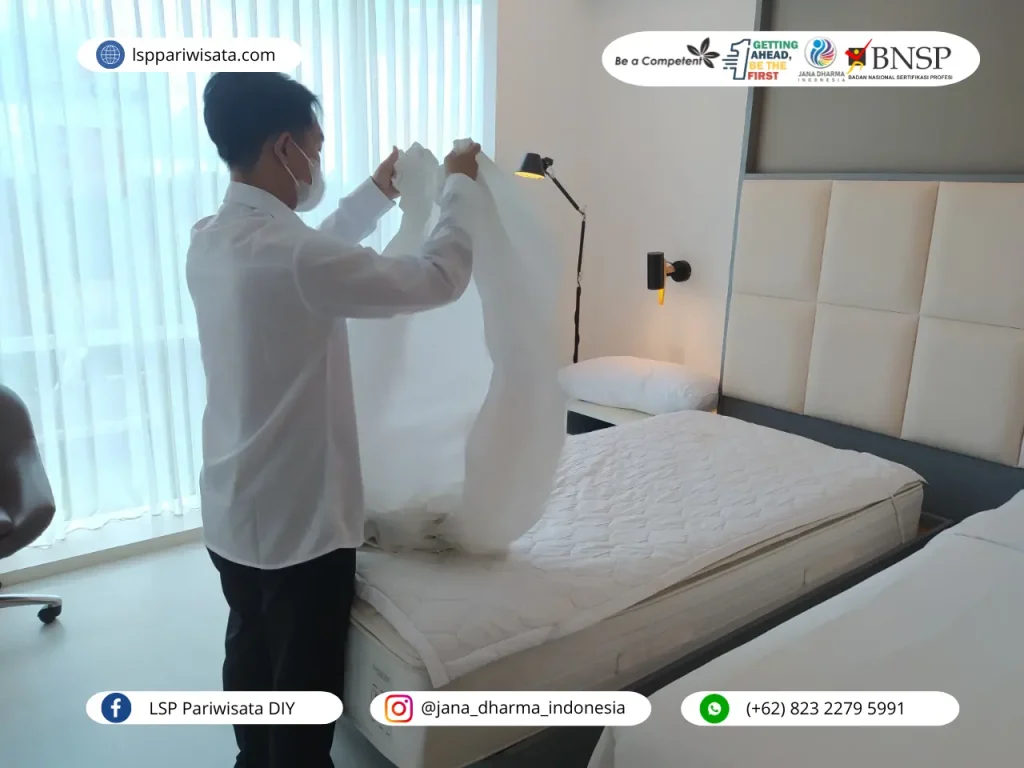
The Role and Functions of a Hotel Laundry Attendant – A successful hotel not only creates comfort within its guest rooms but also operates seamlessly behind the scenes, thanks to the diligent efforts of its often unseen workforce. One of the crucial pillars upholding the cleanliness and comfort of a hotel is the vital role played by a Laundry Attendant. A Laundry Attendant is responsible for all processes involving the laundering of linens. This includes receiving dirty laundry, sorting, washing, pressing, packaging, and delivering the cleaned items back to the linen section. Let’s delve deeper into the roles and functions of these often overlooked professionals. Roles and Function of Landry Attendant Receiving and Managing Linens Laundry Attendants are tasked with receiving linens (such as towels, bed sheets, and napkins) from various hotel departments. They must ensure that the received items are accounted for accurately and maintain an accurate inventory. Sorting and Washing The initial process involves sorting linens by type and soil level. Laundry Attendants must be knowledgeable about the correct washing procedures, including the appropriate use of detergents and temperature controls, to ensure that linens are returned clean and fresh. Labeling and Folding After washing, the Laundry Attendant proceeds to label the clean linens. Neat folding is a crucial skill, as linens must be arranged orderly and ready for use by the housekeeping team or hotel guests. Maintenance and Quality Inspection Laundry Attendants are also responsible for inspecting the quality of linens, detecting any damage or wear. If repairs or replacements are needed, they must report this to management to ensure proper maintenance. Safe Chemical Handling Handling chemicals such as detergents and bleach is part of the job. Laundry Attendants must be well-trained in the safe use of these chemicals to ensure their safety and maintain the quality of the laundered items. Teamwork Laundry Attendants do not work in isolation; they are part of a larger team that includes housekeeping, front office, and other departments. Effective teamwork is crucial to smooth operations and fulfilling the requests from various departments efficiently. Consistent Linen Availability A Laundry Attendant must ensure a consistent supply of linens. This means aligning washing schedules with the hotel’s demand to prevent any delays or shortages that could affect guest comfort. Efficient Time Management The hotel laundry process can become extremely busy, particularly during high occupancy periods. Laundry Attendants must manage their time effectively, prioritize tasks, and ensure that all work is completed according to the set schedules. Also read: The Growing Demand for Certified Facial Care Professionals Environmental Sensitivity With the global focus on sustainability, Laundry Attendants can contribute to eco-friendly practices such as using environmentally friendly detergents or implementing efficient waste management programs. Equipment Handling and Maintenance Laundry Attendants also handle the setup and maintenance of washing machines, dryers, and other laundry equipment. Technical skills in managing these machines are crucial for the job. With all these responsibilities and skills, a Laundry Attendant is a key element in maintaining the high standards of cleanliness and comfort in a hotel. Although their work might go unnoticed by guests, their impact and contribution to an enjoyable stay are substantial. Advancing Career as a Laundry Attendant Don’t miss the opportunity to develop your skills and advance your career as a Laundry Attendant. Certification from the LSP (Professional Certification Institute) Jana Dharma Indonesia in Tourism is a perfect step towards further professional development. Register now and become a better leader for your team! Contact Information: WhatsApp: (+62)82322795991 Phone: 0274 543 761 (Ninda) Instagram: @jana_dharma_indonesia Email: [email protected]

Sistem Pengelolaan Konflik dalam Sertifikasi Manajemen Penataan Pertunjukan
artikel sertifikasi profesi pariwisata, Bidang MICE, Blog, EN

The Importance of Monitoring and Wrecking The Exhibition Installation

Exhibitions are crucial platforms in the business and art worlds, allowing companies and artists to showcase their work to the public and gain benefits from the displayed artworks. The process of showcasing these works involves several critical stages that require meticulous attention, particularly during the installation and dismantling phases. Given the direct interaction with the items to be displayed, these stages are crucial and necessitate careful monitoring. Even a small mistake can have significant consequences for the success of the event. This article explores why monitoring during the installation and dismantling of exhibitions is essential. Ensuring Safety and Security Monitoring the installation and dismantling of exhibitions ensures that all involved elements, such as technical equipment, stage structures, and exhibition materials, are installed and dismantled safely. This helps minimize the risk of accidents and injuries that could occur during these processes. Optimizing Time and Efficiency Effective monitoring allows the exhibition setup team to optimize the time required for installation and dismantling. This is important to ensure that the event starts and ends on schedule, providing a seamless experience for visitors and participants. Preserving the Integrity of Artworks and Products For artists and companies exhibiting artworks or products, monitoring helps maintain the integrity and optimal condition of the items. This includes overseeing the placement, lighting, and handling of items during installation and dismantling. Preventing Damage and Loss Monitoring can also help prevent damage or loss of items during the installation and dismantling processes. Careful supervision can identify potential risks or errors that could harm the displayed artworks or products. Ensuring Compliance with Regulations The installation and dismantling of exhibitions often need to comply with various regulations and safety standards. Through thorough monitoring, it can be ensured that all necessary steps have been taken to adhere to applicable regulations and norms. To ensure that professionals involved in exhibition installation and dismantling possess the necessary skills and knowledge, we invite you to consider obtaining certification in exhibition stage setup from LSPP Jana Dharma Indonesia. This certification provides an in-depth understanding of safety principles, operational efficiency, and technical skills required in the exhibition stage setup industry. Join the community of top professionals and enhance your qualifications by pursuing certification in exhibition stage setup now! Let’s become experts in ensuring the success of every exhibition through meticulous and professional monitoring! For further information please contact us through : WhatsApp : +6282322795991 (Ninda) Telephone : 0274 543 761 Instagram : @jana_dharma_indonesia Email : [email protected]
Scroll to Top