
EN

Langkah-Langkah Pencucian Laundry di Hotel dan Bisnis Laundry
Bidang Hospitality, Blog, EN

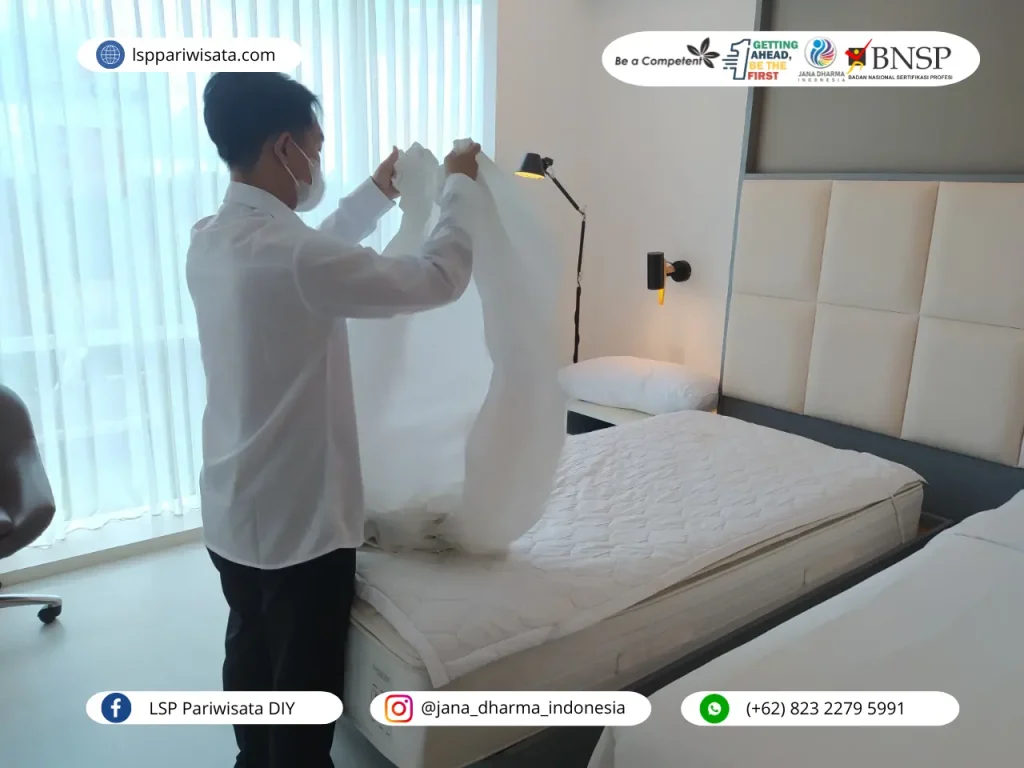
Enhance Professional Credibility with Room Attendance Certification

The hospitality industry is becoming increasingly competitive, and achieving success requires professionalism and proven expertise. One effective way to enhance professional credibility in this field is through certification, such as Room Attendance Certification. This article will discuss the importance of this certification and how it can boost the professional standing of individuals in the hospitality industry. The Importance of Room Attendance Certification Room Attendance Certification validates that a professional possesses the knowledge, skills, and understanding necessary to perform essential tasks in hotel room maintenance to a high standard. This includes a solid grasp of cleaning techniques, sanitation, chemical management, linen handling, and compliance with safety and privacy policies. Improving Service Quality With Room Attendance Certification, professionals can demonstrate to hotel employers and guests that they possess recognized competencies in carrying out their duties. This helps increase guest confidence in the quality of hotel services and enhances guest satisfaction, which in turn can improve the hotel’s reputation. Reducing Risks and Boosting Efficiency Certified professionals tend to have a better understanding of best practices in hotel room care. They can identify potential risks, such as poor hygiene or workplace accidents, and take the necessary preventative measures. This can reduce the likelihood of incidents or claims and improve daily operational efficiency. Better Career Opportunities Room Attendance Certification can also open doors to better career prospects in the hospitality industry. Many hotels and resorts seek certified professionals to fill critical roles in facility management and hotel operations. With this certification, professionals can expand their career prospects and increase their earning potential. Also read: The Role of a Bidding Specialist in Managing Business Relationships Conclusion If you are looking to enhance your professional credibility in the hospitality industry, consider pursuing the Room Attendance Certification through LSPP Jana Dharma Indonesia. This program offers comprehensive training and practical experience needed to become a skilled and qualified Room Attendance professional. With this certification, you can expand your career opportunities and achieve greater success in the hospitality industry. For further information please contact us through : WhatsApp : +6282322795991 Telephone : 0274 543 761 Instagram : @jana_dharma_indonesia Email : [email protected]
Outbound Guiding in Recreational Activities through Certification
Bidang Guide, Blog, EN

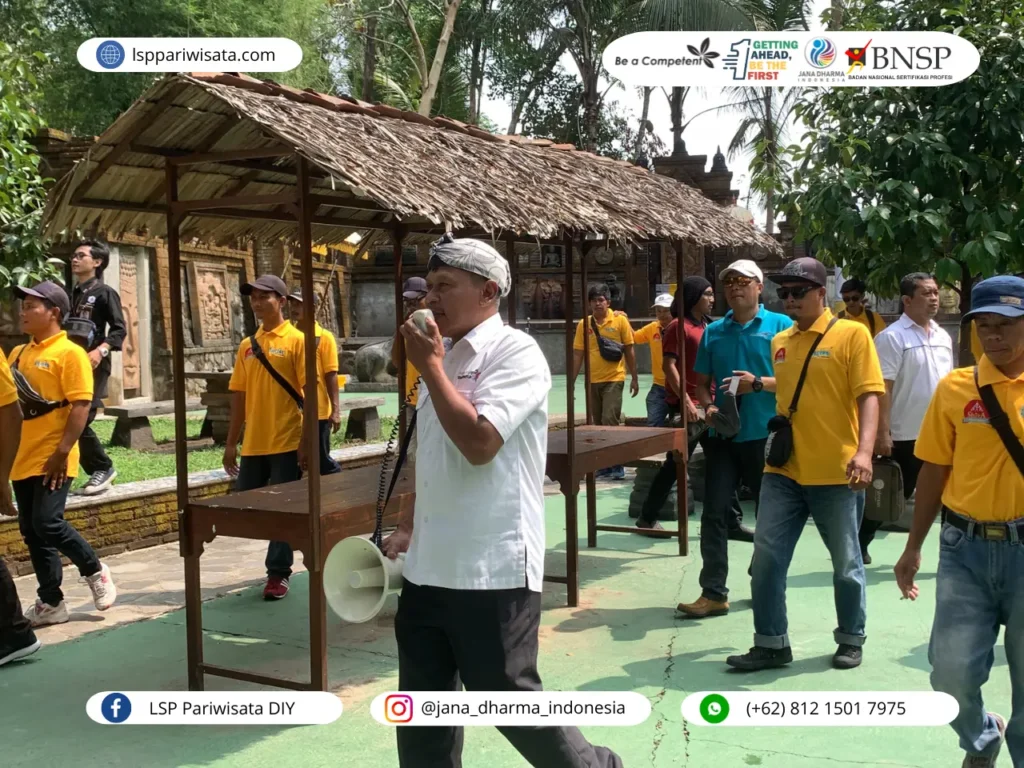
Facilitating Direct Interaction with Local Communities in Ecotourism Guiding

Ecotourism guiding is not only about exploring nature and the environment but also about creating meaningful connections with local communities and understanding their culture. This article explores how an ecotourism guide facilitates opportunities for direct interaction between tourists and local people, enriching the overall travel experience. Connecting Tourists with Local Communities A key role of an ecotourism guide is to establish connections between tourists and local residents at the destination. This can be achieved through activities such as visits to local villages, meetings with community leaders, or participation in the daily routines of the local population. These interactions provide tourists with an authentic cultural experience while promoting mutual understanding. Facilitating Cultural Exchange Ecotourism guides act as cultural liaisons, facilitating beneficial cultural exchanges between tourists and locals. They can organize cultural exchange sessions where tourists learn about local traditions, customs, and languages, while locals, in turn, gain insight into the tourists’ cultures. This exchange fosters mutual respect and appreciation for diversity. Organizing Cultural Activities Guides also take responsibility for arranging cultural activities that involve both tourists and local residents. These might include workshops on crafting local handicrafts, cooking traditional meals, or participating in religious or customary ceremonies. Through these immersive activities, tourists gain a deeper and more authentic understanding of the local culture. Providing Information and Education In addition to facilitating direct interaction, ecotourism guides offer information and education about the local community’s culture, history, and daily life. They narrate local stories and explain the significance of specific traditions and customs, helping tourists gain a deeper appreciation for the local way of life. Encouraging Respect and Awareness Ecotourism guides play a crucial role in promoting respect and awareness toward the local culture and environment. They advise tourists on appropriate behavior when interacting with local communities, such as dressing modestly, respecting local traditions, and keeping the environment clean. Inspiring Sustainable Practices Ecotourism guides also take the opportunity to inspire sustainable awareness and actions among tourists. They advocate for eco-friendly and responsible tourism practices, while educating tourists on the importance of preserving both cultural and environmental heritage for future generations. Conclusion If you’re interested in becoming part of this meaningful experience, consider joining the Ecotourism Guiding Certification Program. As an ecotourism guide, you’ll have the chance to facilitate direct interactions between tourists and local communities, while also promoting sustainable practices in the tourism industry. For further information please contact us through : WhatsApp : +6282322795991 Telephone : 0274 543 761 Instagram : @jana_dharma_indonesia Email : [email protected]
Business Opportunities for Hajj and Umrah Tour Leaders in the 2024
Bidang MICE, Blog, EN

Budget Planning and Monitoring in Proposal Bidding Submission

Submitting a proposal for bidding is crucial in securing contracts or projects across various sectors such as construction, technology, and professional services. One often-overlooked aspect in this process is the accurate planning and monitoring of the budget. This article discusses the importance of careful budget preparation and monitoring during the bidding proposal process. Accurate Budget Planning Accurately preparing a budget is the first essential step in submitting a successful bid proposal. This involves realistic cost estimates for all project aspects, including labor, materials, equipment, and overheads. A well-prepared budget allows a company to offer a competitive price without sacrificing profitability. Accounting for Risks and Contingencies During budget preparation, it’s crucial to account for potential risks associated with the project. These can include price fluctuations for materials, labor cost increases, regulatory changes, or unforeseen technical challenges. Allocating sufficient contingency funds in the budget safeguards the company from unexpected losses. Understanding the Client’s Budget Constraints Before submitting a proposal, it’s important to understand the client’s budget constraints. This ensures the proposal and its budget are aligned with the client’s expectations. Proposals that match the client’s budget have a higher likelihood of being accepted. Budget Monitoring During Project Execution Once the proposal is accepted and the project begins, budget monitoring becomes critical. This involves regularly tracking actual project expenditures and comparing them to the approved budget. If deviations occur, corrective actions must be taken immediately to avoid exceeding the budget and diminishing profitability. Involvement of the Project Management Team Effective budget monitoring requires active involvement from the project management team. Each department or unit involved in the project must be accountable for their expenditures and provide regular reports to project management. Open and transparent communication is essential to ensure spending remains within the approved budget. Training and Certification for Bidding Specialists To better understand budget planning and monitoring in proposal bidding, it is highly recommended to pursue training and certification as a Bidding Specialist. Such programs provide deep insights into best practices for accurate and effective budget planning, as well as strategies to win competitive projects. Conclusion If you’re interested in developing your skills in proposal bidding and mastering best practices for budget planning and monitoring, consider pursuing certification as a Bidding Specialist at LSPP Jana Dharma Indonesia. With this certification, you can become an expert in managing the bidding proposal process and increase your company’s chances of winning projects. For further information please contact us through : WhatsApp : +6282322795991 Telephone : 0274 543 761 Instagram : @jana_dharma_indonesia Email : [email protected]
Bidang Hospitality, EN

The Importance of Grooming in Enhancing Reputation and Client Satisfaction

What is Grooming? Grooming refers to a series of practices aimed at maintaining an individual’s physical appearance to look neat, clean, and professional. In the business world, particularly in hospitality and service sectors, grooming is crucial. A good appearance not only reflects the individual but also contributes to the overall image of the company. The Impact of Grooming on Reputation Effective grooming directly affects a company’s reputation. When employees present themselves neatly and professionally, clients or guests feel more confident and comfortable. This creates a positive impression that influences their decision to utilize the services offered. Additionally, well-groomed employees convey that the company values high standards, thereby enhancing its public image. Enhancing Client Satisfaction Client satisfaction is a key factor in retaining and attracting new customers. Proper grooming can significantly boost client satisfaction as it makes them feel valued and attended to. When employees look professional, clients are more likely to believe they will receive quality service. As a result, the positive experiences clients have can encourage them to recommend the company to others. Also read: Effective Strategies for Crafting a Proposal Through Travel Consultant Certification Receptionist Certification at LSP Jana Dharma Indonesia One effective way to ensure that employees possess the necessary knowledge and skills related to grooming is through certification. Enrolling in the Receptionist certification program at LSP Jana Dharma Indonesia is a valuable step toward enhancing personal competency. This certification is not a training program; instead, it aims to test and validate the skills that individuals already possess. By obtaining certification, employees can demonstrate credibility and professionalism, which in turn will enhance the company’s reputation. By understanding the importance of grooming, both individuals and companies can achieve greater success. Maintaining a polished appearance not only enhances reputation but also maximizes client satisfaction. Let’s improve personal quality and company reputation by pursuing Receptionist certification at LSP Jana Dharma Indonesia! Untuk informasi dan pendaftaran, hubungi kami: WhatsApp : (+62)82322795991 Telp : 0274 543 761 Instagram : @jana_dharma_indonesia Email : [email protected]  

mice-marketing-communication-specialist-bersertifikasi-bnsp
Bidang Guide, EN

Effective Strategies for Crafting a Proposal Through Travel Consultant Certification

For those working in the tourism industry, especially as a travel consultant, the ability to create a professional and effective proposal is crucial. A proposal is not just a document, but a tool to convince clients that you are the best choice for managing their trip. With a Travel Consultant certification, your competence in drafting and managing proposals can be better validated and recognized. What Is a Proposal in the Travel Business? A proposal is a document that details the travel services to be provided to a potential client. It includes comprehensive information such as itineraries, accommodations, pricing, as well as terms and conditions. For a travel consultant, this proposal serves as a key tool to showcase the ability to organize a trip that aligns with the client’s needs and budget. A well-structured proposal must emphasize detail, clarity of information, and professional language. By creating an organized and attractive proposal, your chances of securing a project or client increase significantly. How Travel Consultant Certification Helps in Crafting a Proposal The Travel Consultant Certification from LSP Pariwisata Jana Dharma Indonesia validates your skills in this area. This certification is not training, but a competency test that ensures you are capable of performing the duties of a travel consultant in a professional manner. With this certification, you can demonstrate to clients that the proposal you submit is prepared by a certified professional whose competencies have been thoroughly tested. This adds credibility and enhances your competitive edge in the tourism market. Also read: Licensed Tour Guides: The Key to Boosting Customer Trust in Tourism Why Certification Is Important for Your Career As competition in the tourism industry intensifies, having a certification can be a significant differentiator. Clients are more likely to trust certified consultants, knowing that every aspect of their trip will be handled by an expert. If you want to enhance your professionalism and strengthen your position in the tourism industry, obtaining a Travel Consultant certification is a wise step. You can get this certification through LSP Pariwisata Jana Dharma Indonesia, a recognized institution that focuses on competency testing in the tourism sector. Validate your abilities now! With this certification, not only will you increase your chances of securing clients, but you’ll also open broader career opportunities in the travel industry. Untuk informasi dan pendaftaran, hubungi kami: WhatsApp : (+62)82322795991 Telp : 0274 543 761 Instagram : @jana_dharma_indonesia Email : [email protected]  

mengelola kelompok sebagai tour guide
Bidang Guide, Blog, EN

Guiding High Rope Activities as an Outbound Facilitator

High rope activities are more than just adventurous challenges—they are adrenaline-filled experiences that require specialized skills to guide. In this setting, the role of an Outbound Facilitator is crucial. They are responsible for ensuring the safety, experience, and success of participants facing these height challenges. This article explores the role of an Outbound Facilitator in leading high rope activities and emphasizes the importance of professional certification in this field. The Role of an Outbound Facilitator Ensuring Participant Safety Safety is the top priority for an Outbound Facilitator. They conduct regular equipment checks, ensure proper use of gear, and give clear instructions to participants before starting any activity. Personal Support Beyond technical guidance, facilitators provide emotional support to participants. They listen, encourage, and motivate individuals to overcome obstacles confidently. Technical Skills Leading high rope activities requires solid technical expertise. Facilitators need to be proficient in handling equipment, familiar with climbing techniques, and capable of managing emergency situations swiftly and effectively. Risk Management A good facilitator is skilled in identifying potential hazards and making informed decisions to mitigate risks. In emergency situations, they must remain calm and efficient in handling the issue. The Importance of Professional Certification for Outbound Facilitators Obtaining professional certification in Outbound Facilitation is essential for those seeking a career in this field. Programs like the one offered by LSPP Jana Dharma Indonesia provide comprehensive training for aspiring facilitators. Here are a few reasons why certification is important: In-depth Training : Certification programs cover safety, leadership techniques, risk management, and interpersonal skills essential for outbound facilitation. Professional Validation : Certification serves as proof of competence and credibility, making facilitators more respected by potential clients and employers. Industry Access : Many organizations prioritize certified candidates during recruitment. Certification can be an entry point into the outbound industry. Networking and Opportunities : Certification programs offer access to professional networks and career opportunities within the industry. Conclusion LSPP Jana Dharma Indonesia offers top-tier professional certification for outbound facilitators, designed to fully equip individuals with the skills and knowledge needed to excel in real-world challenges. If you’re serious about pursuing a career as an outbound facilitator, consider taking part in their certification program. It’s the first step towards an exciting and meaningful career! For further information please contact us through : WhatsApp : +6282322795991 Telephone : 0274 543 761 Instagram : @jana_dharma_indonesia Email : [email protected]
Benefit BNSP Certification for Facial Care
Bidang SPA, Blog, EN

Why Facial Care Certification Is Crucial in the Beauty Industry

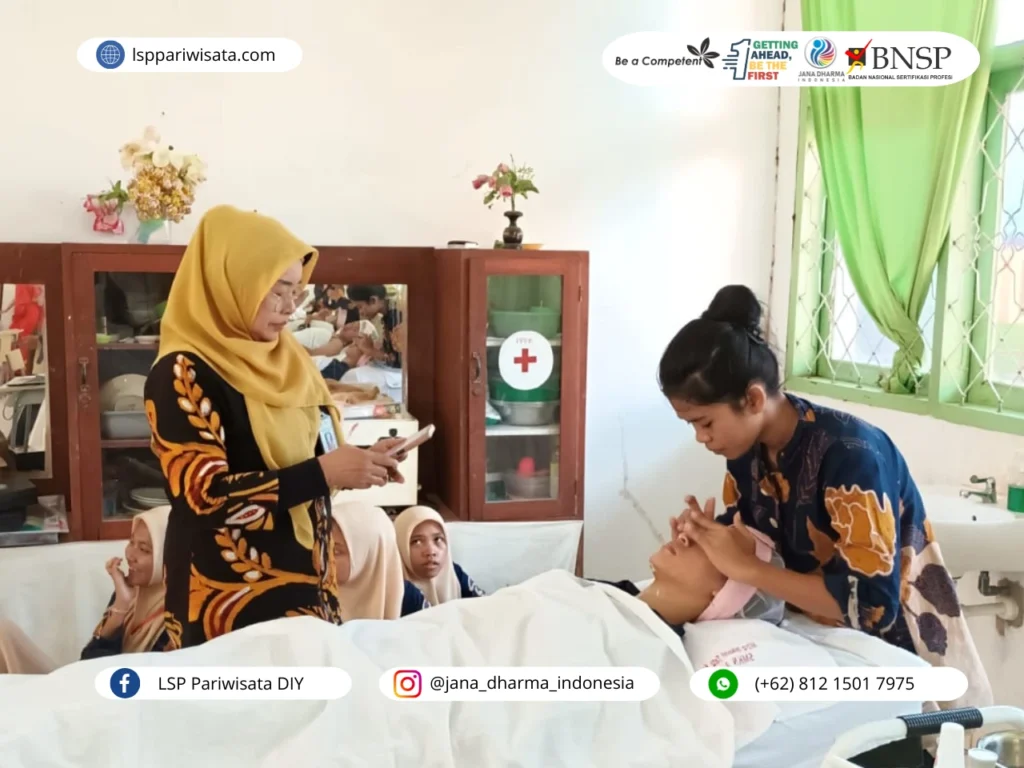
The beauty industry is rapidly growing, and the demand for high-quality, professional facial care services is increasing. In this competitive market, facial care certification is not just a preference—it’s essential. This article explains why obtaining certification in facial care is vital in the modern beauty industry. Professional Credibility Certification demonstrates that an esthetician or beauty expert has undergone formal training and possesses the necessary knowledge and skills to provide facial care services. It builds trust with clients, ensuring that they are working with a qualified professional. Safety and Hygiene Standards Certification training covers strict safety and hygiene protocols, crucial for preventing infections and ensuring client health. Certified estheticians are educated on proper sanitation practices, ensuring they can perform services safely. Knowledge of Latest Products and Techniques The beauty industry constantly evolves with new products and techniques being introduced regularly. Certification courses expose estheticians to these latest trends and innovative treatments, enabling them to offer modern, effective services to clients. Skill and Expertise Enhancement Certification not only confirms basic knowledge but also helps estheticians refine their expertise. Through comprehensive certification programs, they can master advanced skin care techniques, such as using specialized equipment and advanced therapies. Career Advancement Opportunities Facial care certification can open doors to more diverse and lucrative career opportunities. Many beauty establishments, including spas, beauty clinics, and salons, prefer hiring certified professionals. Additionally, certification allows estheticians to start their own practice or become training instructors. Business Growth For beauty business owners, having certified staff enhances the business’s reputation and attracts more clients. Customers are more likely to choose a place that offers services by certified professionals, as they trust the quality of care provided. Importance of Continuous Education As the beauty industry evolves, it’s crucial for estheticians to keep their knowledge up to date. Facial care certification promotes ongoing education through advanced training and industry seminars, helping estheticians remain competitive in the fast-changing market. Conclusion In the competitive beauty industry, facial care certification is becoming increasingly important. Not only does it boost credibility and client trust, but it also helps estheticians improve their skills and opens up better career opportunities. For beauty professionals serious about their careers, obtaining certification in facial care is a wise step. For further information please contact us through : WhatsApp : +6282322795991 Telephone : 0274 543 761 Instagram : @jana_dharma_indonesia Email : [email protected]
mice-marketing-communication-specialist-bersertifikasi-bnsp
Blog, EN

The Diverse Scope of an Assessor’s Role in the Tourism Industry

The tourism industry is rapidly growing and offers a wide range of opportunities. In this sector, the role of an assessor is vital in guiding, evaluating, and providing recommendations for both professionals and tourism companies. An assessor, equipped with the qualifications to assess the competencies of others, must also have a broad understanding of related fields, such as tourism marketing, business development, and the products being offered. Their responsibilities go beyond evaluating professional skills or company performance. They must address various aspects of the tourism industry to offer a more comprehensive assessment. Here’s an overview of the diverse scope of an assessor’s work within tourism: Tourism Product Evaluation and Development One of the key responsibilities of an assessor in the tourism sector is to assess existing tourism products. This involves evaluating the quality of services, facilities, and tourist experiences provided by a destination or company. After assessment, the assessor offers recommendations for improving the product to better align with market needs and industry trends. Service Quality and Tourist Experience Evaluation Assessors are tasked with evaluating the quality of services and tourist experiences offered by tourism companies. This includes reviewing service standards, safety, cleanliness, and compliance with industry regulations. Based on these evaluations, assessors provide feedback for service improvements. Marketing and Promotion Strategy Development Assessors often contribute to the development of marketing and promotional strategies. They analyze market trends, conduct tourism research, and evaluate the effectiveness of current marketing campaigns. Using these insights, assessors suggest more effective marketing strategies to enhance the visibility and appeal of destinations or tourism products. Business Management and Development Consulting Assessors also play the role of management and business development consultants for tourism companies. They assist management in identifying business opportunities and challenges, designing growth strategies, and improving operational efficiency. Assessors may also advise on financial management, human resource development, and selecting the right technology to support business growth. Education and Training As experts in tourism, assessors are often involved in education and training activities. They conduct training sessions to improve the skills and knowledge of employees in the tourism industry, covering topics such as customer service, destination management, and the use of technology in tourism. Conclusion The scope of work for an assessor in the tourism industry is broad and varied. They serve as advisors and guides for tourism companies in various areas, from product development and marketing to management and business growth. With in-depth knowledge and experience in the tourism sector, assessors make valuable contributions to the success and growth of tourism businesses. If you’re interested in advancing your knowledge and skills in the tourism industry and want to become a qualified assessor, you can pursue professional certification through LSPP Jana Dharma Indonesia. This certification program equips you with the knowledge and skills needed to succeed in an assessor role within the tourism industry. Don’t hesitate to register and embark on your journey toward a successful career in tourism! For further information please contact us through : WhatsApp : +6282322795991 Telephone : 0274 543 761 Instagram : @jana_dharma_indonesia Email : [email protected]

Scroll to Top