
Secrets to Successful Marketing for SPA in The Digital Era

Opening Career Opportunities After Obtaining BNSP Certification in Facial Care

Bidang SPA, Blog, EN

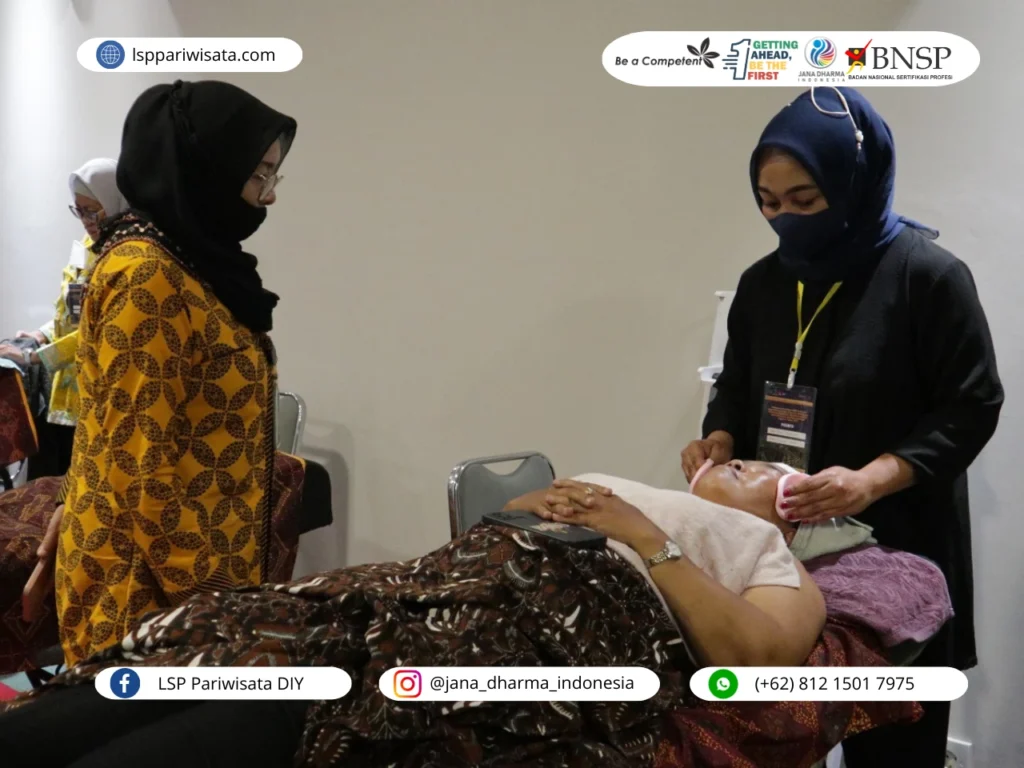
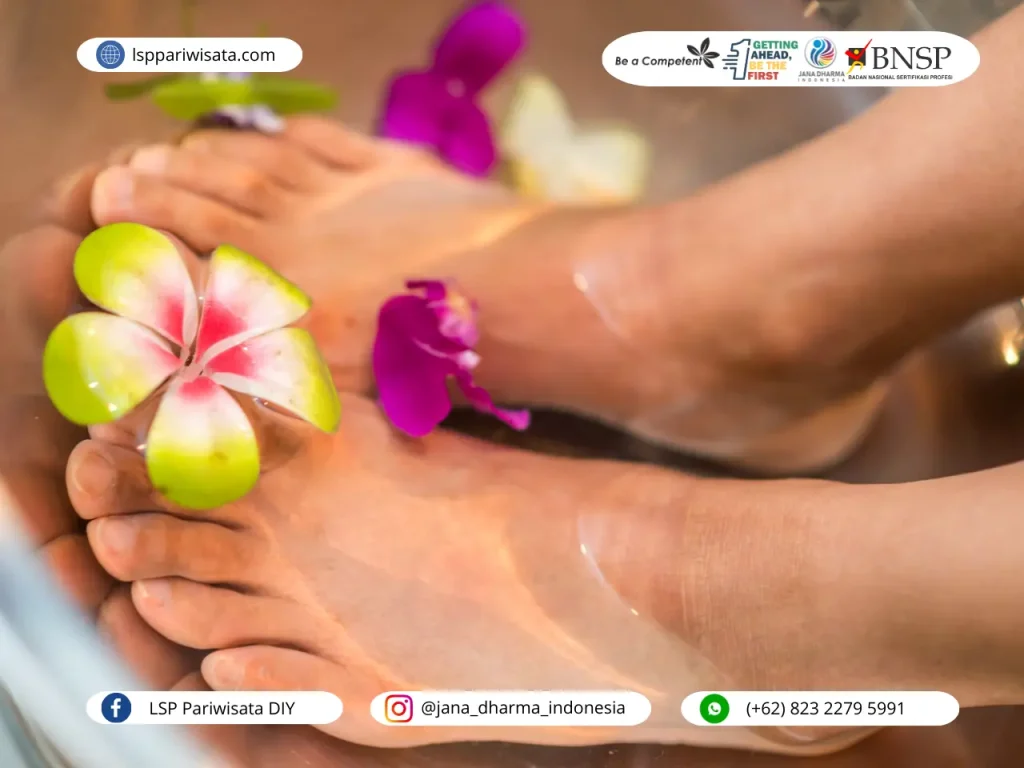
Obtaining certification from the National Professional Certification Agency (BNSP) in facial care is a crucial step for professionals in the beauty industry. Not only does it enhance credibility and client trust, but it also opens up a wide range of career opportunities. This article explores various career paths that can be pursued after acquiring BNSP certification in facial care. Professional Esthetician As a certified esthetician through BNSP, you can work as a skincare professional in a variety of settings such as spas, beauty clinics, salons, or dermatology offices. You will be responsible for performing various facial treatments such as facials, laser facials, chemical peels, microdermabrasion, and anti-aging treatments. Your certification will establish you as a skincare expert, attracting more clients and enhancing your career prospects. Skincare Consultant As a skincare consultant, you can offer advice and recommendations to clients on the appropriate facial treatments for their specific needs. You may work independently or with a beauty brand, guiding clients in choosing the right products and treatments based on their skin type and concerns. With a BNSP certification in facial care, you will have the knowledge and skills necessary to provide accurate and effective guidance to your clients. Skincare Instructor With a BNSP certification, you can also pursue a career as a skincare instructor, working for beauty training institutions or salons that offer skincare courses. You would be responsible for teaching students about skincare techniques, product usage, professional ethics, and safety in performing facial treatments. Your certification establishes you as an expert in the field, allowing you to provide high-quality training to aspiring estheticians. SPA or Beauty Clinic Manager In a managerial role, you will oversee the daily operations of a spa or beauty clinic, supervise staff, create schedules, manage inventory, and ensure that services meet quality standards. With a BNSP certification in facial care, you will have a deep understanding of skincare, allowing you to guide and support your staff to ensure the best client service. Skincare Entrepreneur The confidence and skills gained through a BNSP certification can empower you to start your own beauty business. Whether you open a beauty salon, a skincare clinic, or another skincare venture, you will have complete control over the operations, including services, pricing, promotions, and staff management. Your certification helps you build a strong reputation as a skincare expert, attracting loyal clients to your business. Conclusion BNSP certification in facial care provides many promising career opportunities in the beauty industry. Whether you become a professional esthetician, skincare consultant, instructor, manager, or entrepreneur, the certification will equip you with the skills and knowledge to succeed. With dedication, hard work, and proper certification, you can build a rewarding and successful career in this fast-growing and dynamic field. For further information please contact us through : WhatsApp : +6282322795991 Telephone : 0274 543 761 Instagram : @jana_dharma_indonesia Email : [email protected]
Strategi Meningkatkan Kualitas Pelayanan Pelanggan

Ingin Pelanggan Betah? Coba Strategi Ini!

Bidang Hospitality, Blog, ID

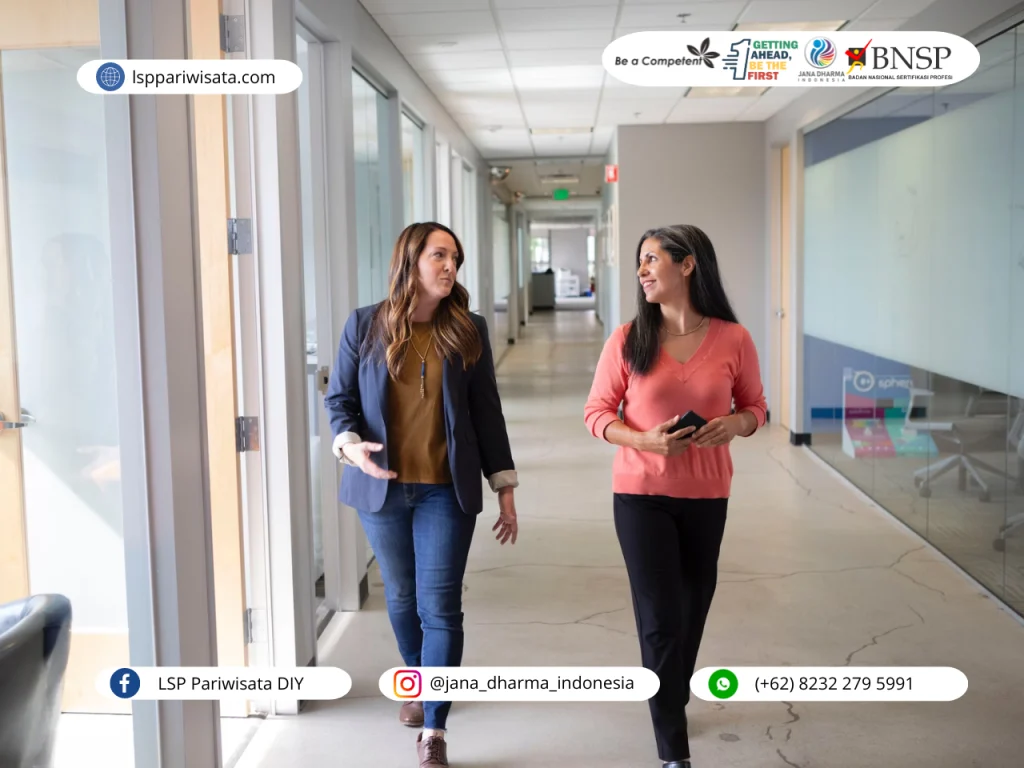
Pelayanan pelanggan adalah tulang punggung dari kesuksesan sebuah bisnis. Kualitas pelayanan yang baik tidak hanya memastikan kepuasan pelanggan tetapi juga membangun loyalitas dan meningkatkan reputasi perusahaan. Dalam dunia yang semakin kompetitif, penting bagi perusahaan untuk mengadopsi strategi dan praktik terbaik dalam pelayanan pelanggan untuk tetap unggul. Berikut adalah beberapa strategi yang dapat membantu meningkatkan kualitas pelayanan pelanggan dalam bisnis Anda! Fokus pada Kebutuhan dan Harapan Pelanggan Langkah pertama dalam meningkatkan pelayanan pelanggan adalah memahami dengan baik kebutuhan dan harapan pelanggan. Melakukan riset pasar, survei kepuasan pelanggan, dan mengumpulkan feedback secara berkala dapat memberikan wawasan berharga tentang apa yang diinginkan pelanggan. Dengan informasi ini, perusahaan dapat menyesuaikan layanan dan produk mereka agar lebih sesuai dengan ekspektasi pelanggan. Pelatihan Karyawan secara Konsisten Karyawan adalah wajah perusahaan dalam interaksi langsung dengan pelanggan. Oleh karena itu, pelatihan yang konsisten dan menyeluruh sangat penting untuk memastikan bahwa setiap karyawan dapat memberikan pelayanan yang memuaskan. Pelatihan harus mencakup keterampilan komunikasi, penanganan keluhan, dan pengetahuan mendalam tentang produk atau layanan yang ditawarkan. Responsif dan Cepat dalam Menangani Permasalahan Kepuasan pelanggan sering kali bergantung pada seberapa cepat dan efektif perusahaan menangani masalah atau keluhan. Memiliki sistem yang efisien untuk menangani permintaan pelanggan dan menyelesaikan masalah dengan cepat adalah kunci. Ini bisa melibatkan penggunaan teknologi seperti chatbot untuk pertanyaan umum atau tim layanan pelanggan yang siap siaga. Menerapkan Prinsip Pelayanan yang Ramah dan Empatik Pelayanan pelanggan yang ramah dan empatik dapat membuat perbedaan besar dalam pengalaman pelanggan. Karyawan yang menunjukkan kepedulian dan empati dapat menciptakan hubungan positif dengan pelanggan, bahkan ketika menghadapi situasi sulit. Pelanggan merasa dihargai ketika mereka diperlakukan dengan hormat dan perhatian. Menggunakan Teknologi untuk Meningkatkan Pengalaman Pelanggan Teknologi dapat menjadi alat yang sangat efektif dalam meningkatkan pelayanan pelanggan. Sistem manajemen hubungan pelanggan (CRM), aplikasi layanan pelanggan, dan alat analitik dapat membantu perusahaan memantau interaksi pelanggan, mengelola data pelanggan, dan memberikan layanan yang lebih personal dan efisien. Menilai dan Mengukur Kinerja Secara Berkala Evaluasi berkala terhadap kinerja pelayanan pelanggan penting untuk memastikan bahwa standar pelayanan tetap tinggi. Melakukan audit layanan, survei kepuasan pelanggan, dan menganalisis data performa dapat memberikan gambaran tentang area yang perlu ditingkatkan. Dengan pemantauan yang terus-menerus, perusahaan dapat membuat penyesuaian yang diperlukan untuk meningkatkan kualitas pelayanan. Baca Juga: Menangani Keluhan dengan Profesional: Kunci Sukses di Bidang Pelayanan Kesimpulan Dengan menerapkan strategi dan praktik terbaik ini, perusahaan dapat meningkatkan kualitas pelayanan pelanggan secara signifikan. Pelayanan pelanggan yang baik tidak hanya membantu dalam mempertahankan pelanggan yang sudah ada tetapi juga menarik pelanggan baru melalui rekomendasi positif. Jika Anda ingin memastikan bahwa perusahaan Anda mematuhi standar Pelayanan Pelanggan yang tinggi, pertimbangkan untuk mengikuti program pelatihan dan sertifikasi di LSP Jana Dharma Indonesia. Kami menyediakan berbagai ujian kompetensi untuk membantu Anda meningkatkan kualitas pelayanan pelanggan dan mencapai keunggulan dalam bisnis. Hubungi kami untuk informasi lebih lanjut dan jadwalkan ujikom Anda hari ini! Untuk informasi dan pendaftaran, hubungi kami: WhatsApp : (+62) 82322795991 Telp : 0274 543 761 Instagram : @jana_dharma_indonesia Email : [email protected]

Pengembangan SDM di Bidang Keuangan Hotel

Optimizing Paper-Based Filing and Data Retrieval Systems for Receptionists in Professional Certification

Bidang Hospitality, Blog, EN

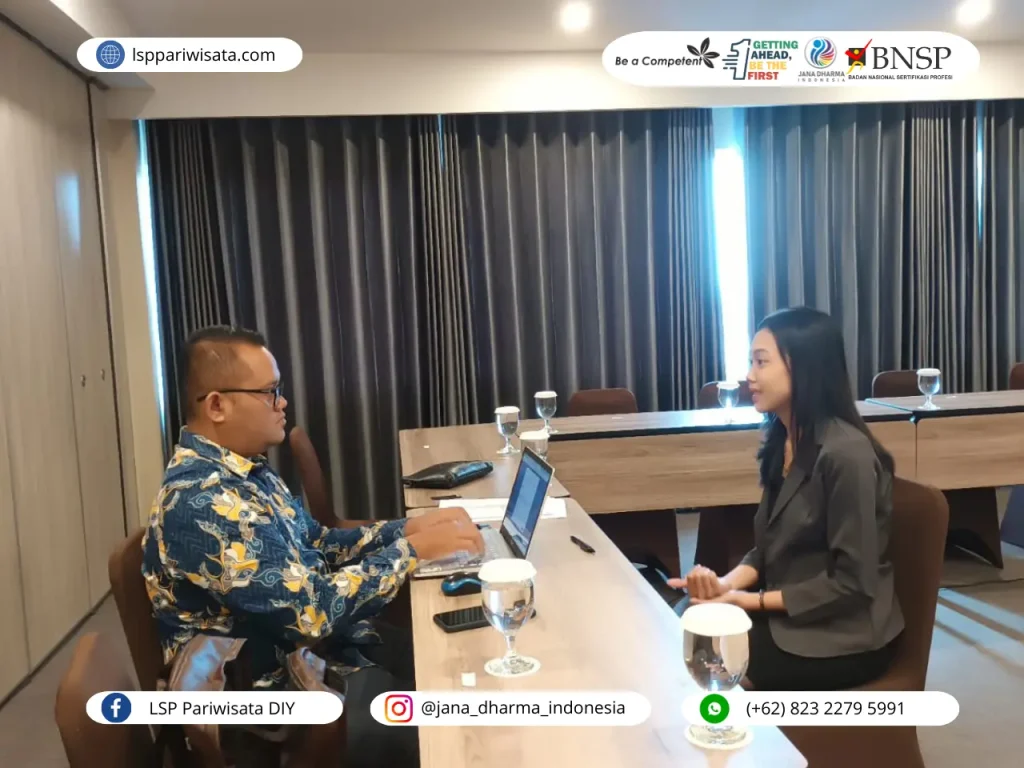
In customer service roles, especially in hospitality and office environments, receptionists play a vital role in greeting and assisting visitors or clients. Although digital technology is becoming increasingly prevalent, many hotels, offices, and businesses still rely on paper-based filing and data retrieval systems. This article highlights the importance of optimizing these traditional systems for receptionists undergoing professional certification. Reliability and Data Availability Even though digital information systems are becoming more common, paper-based systems remain relevant due to their reliability and availability. In cases where digital systems fail or malfunction, physically stored data remains accessible. During emergencies, such as internet outages, paper-based systems can be crucial in maintaining daily operations. Receptionists can still retrieve important information, ensuring seamless business activities without interruption. Ease of Use and Accessibility Paper-based filing systems are often simpler to use, especially for receptionists who may not be familiar with advanced technologies. Handling physical documents allows receptionists to quickly access or store the necessary information without requiring extensive technical training. This ease of use helps receptionists focus on customer service without being distracted by technical issues. Protection of Personal Data Storing sensitive information in physical files can also provide better privacy protection for clients. In certain cases, confidential data may be safer when stored in paper format, reducing the risk of data breaches or digital security threats. A well-organized paper filing system ensures that private customer information remains secure and protected. Flexibility in Handling Documents Physical documents offer more flexibility in handling and storage than digital data. Receptionists can easily make notes, sign forms, or copy information without needing special equipment or an internet connection. Additionally, physical documents can be moved or copied as needed, making them convenient for various purposes. Cost and Resource Savings While digital systems are often seen as more modern solutions, paper-based filing can help reduce costs and resource usage in the long run. Unlike digital systems that require significant initial investments in infrastructure and software, paper-based systems involve relatively lower costs and do not require costly updates or maintenance. Conclusion Despite technological advancements, paper-based filing and data retrieval systems remain relevant and important for receptionists, especially those undergoing professional certification. The reliability, ease of use, data protection, flexibility, and cost savings of these systems are key advantages. By understanding and optimizing these traditional systems, receptionists can improve efficiency, productivity, and customer service. For further information please contact us through : WhatsApp : +6282322795991 Telephone : 0274 543 761 Instagram : @jana_dharma_indonesia Email : [email protected]
perawatan pasca melahirkan ala Indonesia

The Crucial Role of Certified Professionals in Postpartum Care: Ensuring the Well-being of Mothers and Babies

Bidang SPA, Blog, EN

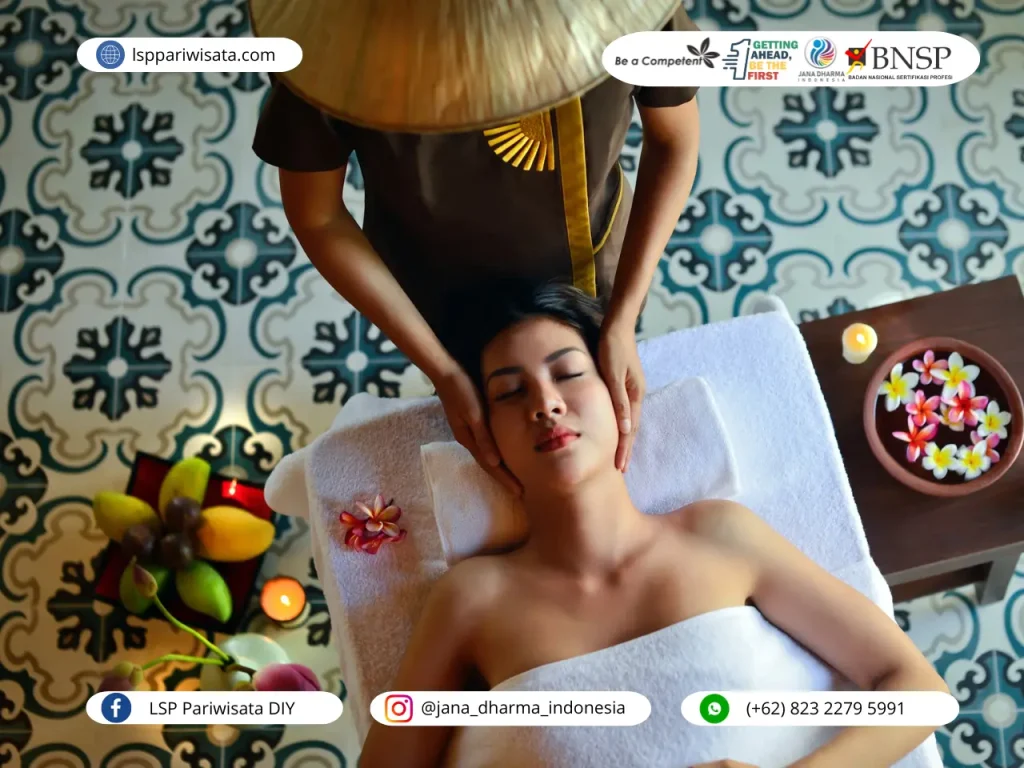
Postpartum care is vital to ensuring the well-being of both mother and child after childbirth. Certified professionals in postpartum care offer a distinct advantage with specialized skills that positively impact the physical and mental recovery of mothers. They also foster emotional bonds and promote overall family well-being. This article will explore the benefits certified professionals bring to postpartum care and how this translates into meaningful support for mothers, babies, and families. In-depth Knowledge of Maternal and Infant Health Certified professionals possess comprehensive knowledge of maternal and infant health. They are trained to manage postpartum recovery, including wound care from episiotomies or C-sections, pain management, hormonal changes, and infant feeding. Additionally, they are equipped to recognize warning signs of postpartum complications that require immediate medical attention. This expertise allows them to provide tailored and effective care based on the specific needs of each mother and child. Skills in Supporting Successful Pregnancy, Childbirth, and Breastfeeding Certified caregivers play a vital role in supporting a mother’s journey through pregnancy, childbirth, and breastfeeding. They offer both emotional and physical support during labor and provide guidance on comfortable and effective breastfeeding techniques. With their expertise, they help mothers and infants get off to a healthy start in this new phase of life. Ability to Create and Deliver Personalized Postpartum Care Plans Every mother has unique needs after childbirth. Certified professionals are skilled in designing personalized postpartum care plans that take into account individual preferences and health conditions. They work with mothers and families to develop care plans that address physical and mental health, social support, and infant care preferences, ensuring mothers and babies receive the best possible care. Capacity to Offer Emotional and Psychological Support The emotional and psychological aspects of postpartum care are crucial. Certified professionals are trained to provide empathetic listening, encouragement, and assistance to mothers who may be experiencing stress, anxiety, or postpartum depression. Their support helps mothers feel valued, heard, and supported as they transition into their new roles as parents. Expertise in Strengthening Mother-Baby Bonds The emotional connection between mother and baby is essential for the child’s development. Certified postpartum professionals have expertise in fostering this bond through techniques such as skin-to-skin contact, early breastfeeding, and gentle baby care practices. By helping to strengthen this bond, they not only promote the baby’s well-being but also enhance the mother’s confidence and connection to her role as a parent. Conclusion Certified professionals in postpartum care bring unique advantages that provide significant benefits to mothers, babies, and families. Their deep knowledge of maternal and infant health, skills in supporting childbirth and breastfeeding, ability to design personalized care plans, emotional and psychological support, and expertise in fostering mother-baby bonds ensure that both mothers and babies receive the best possible care. These professionals help families embark on their new journey with confidence and promote long-term well-being for all. For further information please contact us through : WhatsApp : +6282322795991 Telephone : 0274 543 761 Instagram : @jana_dharma_indonesia Email : [email protected]
Aspek Keahlian manajerial dalam sertifikasi barista

Mastering Espresso Techniques Through Barista Certification: The Key to Coffee Expertise

Bidang Ekonomi Kreatif, Blog, EN

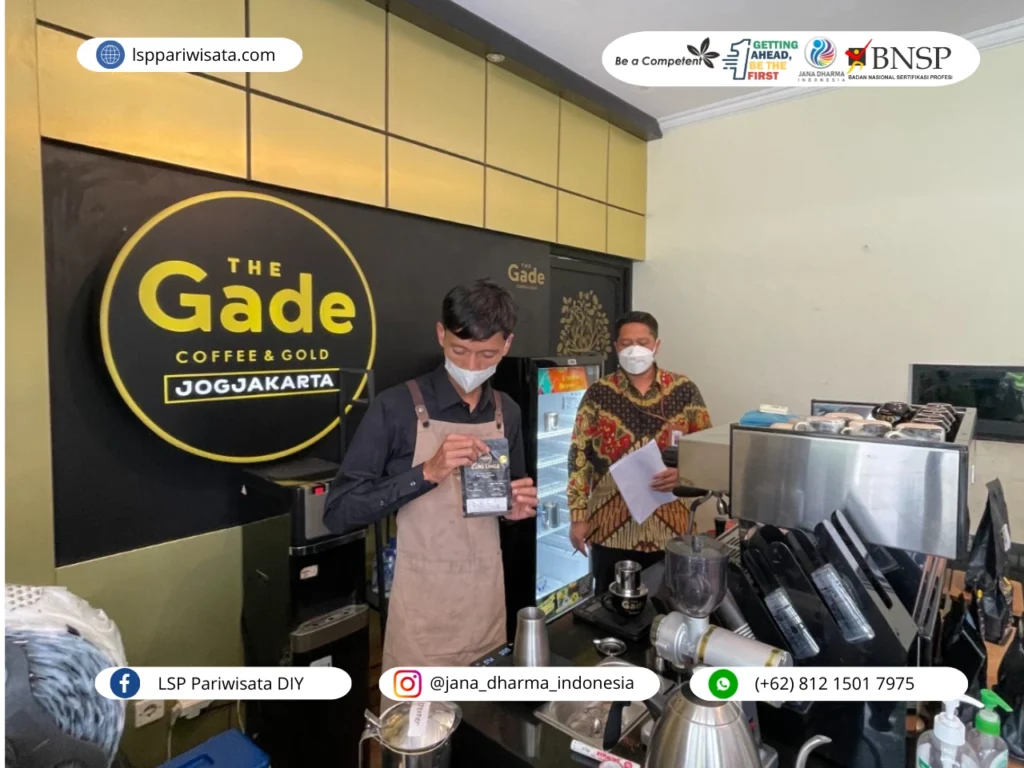
In the fast-growing coffee industry, being a skilled barista is no longer just an ordinary job. Mastering espresso techniques is fundamental for any barista striving to succeed. Through barista certification, coffee professionals can acquire the knowledge, skills, and confidence required to produce high-quality espresso and offer customers unforgettable coffee experiences. This article will explain the importance of mastering espresso techniques through barista certification and how it paves the way for success in the coffee industry. Fundamental Espresso Techniques Espresso techniques are crucial for creating high-quality coffee beverages. Essentially, espresso involves the extraction of hot water under high pressure through finely ground coffee to produce a concentrated, aromatic coffee drink. Barista certification allows coffee professionals to deeply understand the espresso extraction process, including water temperature, extraction pressure, the correct extraction time, and the use of equipment like espresso machines and grinders. Mastering these basics forms the foundation for more advanced espresso-making skills. Hands-on Practice and Practical Training A major component of barista certification is hands-on practice, which involves directly preparing espresso in real-world situations. Through this training, participants can apply the knowledge they’ve gained, refine their techniques, and address any challenges they may face in making espresso. Practical training also provides opportunities for feedback from instructors and peers, helping participants to rapidly improve their skills. Understanding Coffee Bean Varieties Mastering espresso techniques also requires an understanding of different coffee bean varieties and how their unique characteristics affect the final espresso extraction. Barista certification teaches professionals about the differences between Arabica and Robusta beans, the geographical origins of coffee, and other factors that influence coffee quality and flavor. This knowledge enables baristas to make better choices in selecting coffee beans for espresso making. Equipment Maintenance and Care Alongside mastering espresso techniques, barista certification covers the proper care and maintenance of coffee equipment, particularly espresso machines and grinders. Skilled baristas need to be able to maintain their equipment to ensure it performs optimally, producing consistent, high-quality espresso. This includes regular maintenance, cleaning, calibration, and troubleshooting common equipment issues. Mastering Latte Art In addition to basic espresso-making techniques, skilled baristas can also develop impressive latte art skills. Latte art involves pouring steamed milk into espresso to create aesthetic patterns or designs on the coffee’s surface. Through barista certification, coffee professionals learn basic latte art techniques, such as creating tulips, hearts, and rosettas. Mastery of latte art not only enhances the visual appeal of coffee but also reflects the barista’s precision and expertise. Conclusion Mastering espresso techniques through barista certification is a crucial step for coffee professionals aiming for success in the competitive coffee industry. Certification provides the knowledge, skills, and confidence needed to create high-quality espresso and offer memorable coffee experiences. By learning the fundamentals of espresso, practicing in real-life scenarios, understanding coffee varieties, maintaining equipment, and developing latte art skills, baristas can establish themselves as experts in the art and science of coffee. To achieve success in the coffee industry, LSP Pariwisata Jana Dharma Indonesia offers a comprehensive barista certification program. Join now to enhance your skills, knowledge, and opportunities in the dynamic coffee world. Don’t miss the chance to contribute to the success of Indonesia’s coffee industry. Barista certification is not just a piece of paper but a key to achieving excellence in the coffee industry. By improving quality, innovation, and business ethics, barista certification has a far-reaching positive impact. Join LSP Pariwisata Jana Dharma Indonesia now and seize the opportunity to become a professional barista, contributing to the growth of Indonesia’s coffee industry. For further information please contact us through : WhatsApp : +6282322795991 Telephone : 0274 543 761 Instagram : @jana_dharma_indonesia Email : [email protected]
Standar Kebersihan dan Kualitas dalam Layanan Laundry Hotel

Career Development and Skill Enhancement Opportunities for Laundry Attendants

Bidang Hospitality, Blog, EN

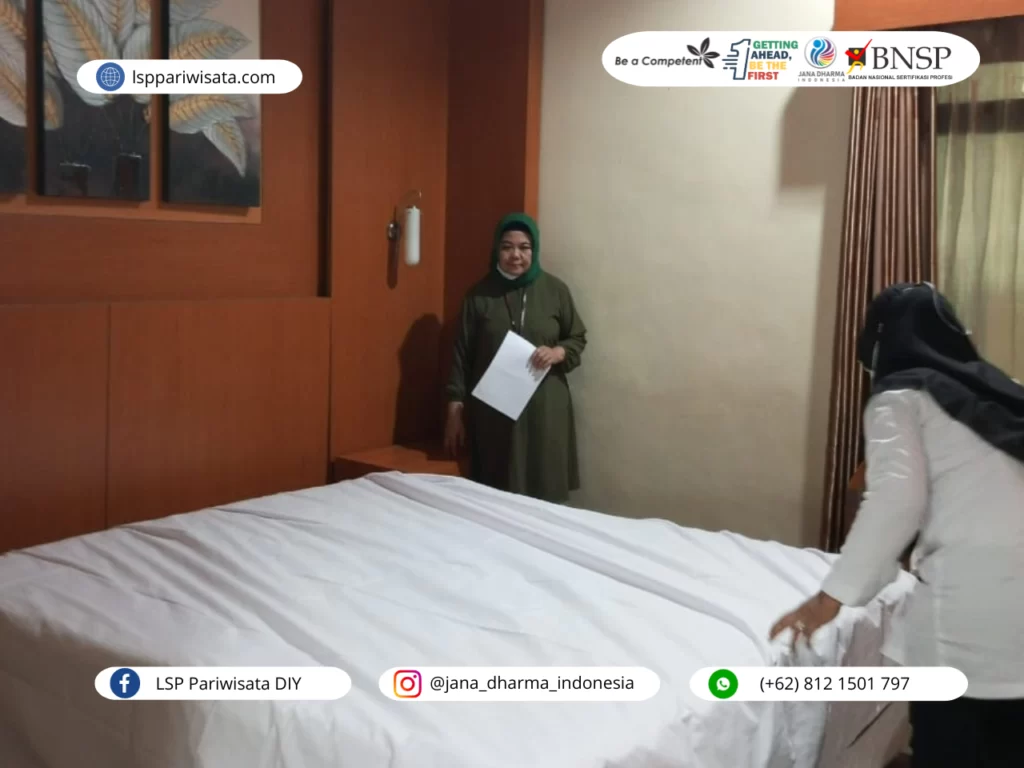
Though the profession of a laundry attendant may seem straightforward, it holds significant potential for career growth and skill improvement. With the rapid expansion of Indonesia’s tourism industry, the demand for skilled professionals in this sector is also increasing. In the hospitality and service industries, laundry attendants play a crucial role in ensuring cleanliness and guest comfort. Satisfied guests often lead to increased customer loyalty, which positively impacts hotel profitability. This opens up the potential for career advancement for laundry attendants. The article outlines several ways to develop their careers and skills. Training and Certification One of the best ways for laundry attendants to improve their skills and career opportunities is through training and certification. Various institutions offer specialized training programs covering areas such as efficient washing techniques, safe handling of chemicals, and inventory management. Earning certification can enhance a laundry attendant’s credibility and professional value, leading to potential promotions and pay raises. Mastering Technology and Management Systems In today’s digital age, being proficient in technology and management systems provides a significant advantage for laundry attendants. Many modern hotels and laundry services use computerized management systems to track and manage processes efficiently. By mastering these systems, attendants can work more efficiently, reduce errors, and offer better service to guests. Communication and Customer Service Skills Although the job primarily involves technical tasks, communication and customer service skills are equally important. Laundry attendants often interact with guests, addressing their laundry preferences and handling specific requests or complaints. Developing these skills helps attendants provide better customer experiences and increase guest satisfaction. Time Management and Organizational Skills Time management and organizational abilities are essential for laundry attendants, who often juggle numerous tasks within tight schedules. Efficiently organizing their time and workspace allows them to maintain productivity and service quality. Training focused on these areas can significantly improve their work efficiency. Staying Informed on Industry Trends The laundry and textile care industry is constantly evolving, with innovations in technology, more efficient washing methods, and new clothing care trends. Laundry attendants looking to advance their careers should stay updated on these developments. Attending seminars or reading up on the latest industry literature can help them remain competitive. Opportunities to Become a Supervisor or Manager With enough experience and skills, a laundry attendant can rise to higher positions such as laundry supervisor or manager. These roles require leadership abilities, team management skills, and a deeper understanding of laundry operations. With additional training and relevant work experience, laundry attendants can achieve these career goals and enjoy greater responsibilities and rewards. Conclusion The role of a laundry attendant offers substantial opportunities for career development and skill enhancement within the hospitality and service industries. With proper training, mastery of technology, effective communication skills, strong time management, and updated industry knowledge, laundry attendants can advance their careers. LSPP Jana Dharma Indonesia offers a comprehensive certification program for laundry attendants, equipping participants with the necessary skills and knowledge to succeed in this profession. Join us to be part of a professional community dedicated to maintaining high standards in service and cleanliness. For further information please contact us through : WhatsApp : +6282322795991 Telephone : 0274 543 761 Instagram : @jana_dharma_indonesia Email : [email protected]
Pentingnya Sertifikasi Teknis Industri Pariwisata

The Benefits of Technology for Waiters: Enhancing Efficiency and Customer Experience

Bidang Hospitality, Blog, EN

In the hospitality and restaurant industry, technology has become an integral part of improving operational efficiency and customer experience. Waiters, in particular, can reap significant benefits from the integration of technology into their daily tasks, leading to smoother operations and better service. Digital Ordering One of the greatest advantages of technology for waiters is the adoption of digital ordering systems. With online or app-based ordering systems, customers can place their orders before arriving at the restaurant or hotel. This reduces wait times and allows waiters to better prepare for customer arrivals, minimizing order mistakes and ensuring accuracy. Faster Order Communication Technology enables waiters to quickly relay orders to the kitchen or bar. POS (Point of Sale) systems linked to the kitchen or bar allow waiters to send orders instantly, reducing the time it takes for orders to be processed. This results in faster service and increased customer satisfaction. Real-Time Menu and Availability Updates POS systems connected to the restaurant or hotel’s inventory provide real-time updates on available menu items. This helps waiters avoid situations where they need to inform customers that a certain dish is no longer available, improving overall efficiency and guest satisfaction. Personalized Service Technology allows waiters to personalize services for each customer more easily. POS systems that track customer preferences, food allergies, or special occasions like birthdays enable waiters to provide tailored experiences that cater to individual needs and preferences. Efficient Payment Management Digital payment systems make it easier for waiters to manage customer transactions. Contactless payments, credit card payments, or e-payment apps streamline the payment process, reduce transaction times, and minimize the risk of errors in billing. Skills Training and Development Technology also facilitates the ongoing training and skill development of waiters. Online training apps and e-learning platforms allow waiters to access educational materials anytime, anywhere, helping them improve customer service skills, menu knowledge, or communication abilities. Collecting Customer Feedback Lastly, technology simplifies the process of collecting customer feedback. Restaurants and hotels can use apps or online survey platforms to gather feedback about a customer’s experience, allowing waiters to assess their performance and identify areas for improvement. Conclusion In an increasingly connected and digitized world, technology is becoming indispensable for waiters in performing their duties efficiently while delivering satisfying customer experiences. From digital ordering to personalized service and payment management, technology offers numerous benefits, helping waiters enhance the quality of service they provide to their customers. For further information please contact us through : WhatsApp : +6282322795991 Telephone : 0274 543 761 Instagram : @jana_dharma_indonesia Email : [email protected]
ratus jawa

Ethics and Local Cultural Values in Postpartum Care Certification: Building Quality Service Based on Local Wisdom

Bidang SPA, Blog, EN

Certification in postpartum care goes beyond medical and technical skills. To provide holistic and effective services, it is essential to incorporate ethics and local cultural values into postpartum care practices. This not only strengthens the relationship between care providers and patients but also respects and responds to the unique needs of each family. The following article highlights the importance of ethics and local cultural values in postpartum care certification. The Importance of Understanding Local Cultural Values A professional in postpartum care certification must deeply understand the local cultural values of the region or community they serve. These values include social norms, beliefs, and traditions that shape societal views on pregnancy, childbirth, and postpartum care. Recognizing these values helps establish trust between service providers and the families they care for. Tailoring Care Plans to Families’ Beliefs and Preferences Postpartum care certification isn’t just about applying medical procedures; it also involves adapting care plans to align with families’ beliefs and preferences. Some families may have specific religious traditions, hygiene practices, or special rituals they wish to follow after childbirth. Professionals who respect and understand these preferences can offer more personalized and relevant care. Respecting Family Principles and Social Support In some cultures, the concept of family is heavily emphasized. A postpartum care professional must be able to work closely with the patient’s family and support their active involvement in the care process. This includes making joint decisions, listening to the family’s concerns, and creating space for social support that strengthens family bonds. Cultural Sensitivity in Communication Communication is key in postpartum care. A professional certified in postpartum care must be aware of cultural sensitivity when communicating. This involves understanding the family’s language, being mindful of specific communication norms, and adjusting approaches to ensure messages are delivered with respect and clarity. Openness to Alternative and Traditional Health Practices Many families rely on alternative and traditional health practices to support postpartum care. A certified professional should remain open to these approaches and possess knowledge of common local health practices. Integrating safe and appropriate alternative health methods can enhance the quality of care. Cultural Competence in Managing Differences Postpartum care professionals often work with families from diverse cultural backgrounds. The ability to navigate these differences wisely and respectfully is a valuable skill. This may involve listening without judgment, asking to better understand, and creating a safe space to discuss cultural differences. The Role of Ethics in Care Decisions Ethics in postpartum care certification involves making care decisions based on moral principles and ethical norms. This includes respecting patients’ rights, maintaining the confidentiality of personal information, and making decisions aligned with local moral and cultural standards. Good ethics foster trust between service providers and families. Cultural Education and Outreach Certified professionals in postpartum care can play an important role in educating others about the cultural values relevant to postpartum care. This education helps eliminate misunderstandings and reduces stigma associated with certain practices or beliefs, fostering respect for cultural diversity in healthcare settings. Self-Evaluation and Continuous Professional Development Postpartum care professionals should continually evaluate their ethical practices and cultural awareness. This includes reflecting on their caregiving experiences and assessing whether their decisions and actions align with appropriate cultural values and ethics. Continuous professional development, through additional training or advanced certification programs, helps enhance their understanding and skills in integrating ethics and cultural values into everyday practice. Collaboration with Local Cultural Stakeholders Collaborating with local cultural stakeholders, such as religious leaders, community leaders, or traditional health practitioners, can strengthen the integration of cultural values in postpartum care. This cooperation enables service providers to gain deeper insights into the values held by the local community and to align their practices with the prevailing cultural norms. Conclusion Certification in postpartum care is not just about technical skills; it’s also about building relationships based on ethics and local cultural values. Certified professionals must understand and respect cultural diversity, recognize the values that shape families’ worldviews, and apply responsive and holistic care practices. By integrating ethics and cultural values into postpartum care certification, we can create an inclusive, respectful, and effective care environment for all families on their postpartum journey. For further information please contact us through : WhatsApp : +6282322795991 Telephone : 0274 543 761 Instagram : @jana_dharma_indonesia Email : [email protected]
Scroll to Top