
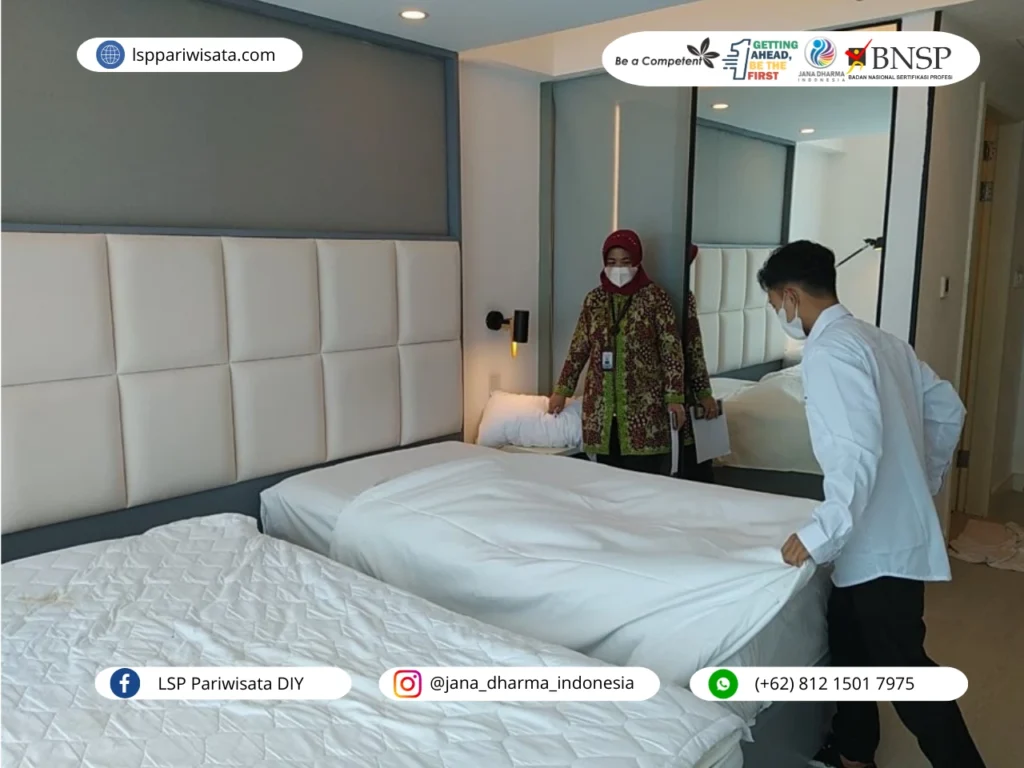
peluang dalam kemajuan karir pekerjaan room attendant yang bersertifikat

Basic First Aid Knowledge: Importance for Room Attendants in Professional Certification

Bidang Hospitality, Blog, EN

In the hospitality industry, room attendants play a crucial role in maintaining the cleanliness and comfort of guest rooms. However, beyond their routine tasks, basic first aid knowledge is also a critical competency. This article explains the importance of first aid knowledge for room attendants in the context of professional certification. Awareness of Accidents and Emergencies Due to the nature of their work, which involves interacting with various hotel facilities and equipment, room attendants need to be aware of potential accidents or emergencies. Basic first aid knowledge provides them with the foundation to recognize and respond quickly and effectively to emergencies such as fires, accidents, or urgent medical conditions. First Aid for Minor Accidents Basic first aid includes the ability to provide assistance in cases of minor accidents or injuries. Room attendants may encounter situations such as minor cuts, slips, or falls within the hotel. With an understanding of how to clean and treat minor wounds, room attendants can assist guests and prevent further complications. Responding to Medical Emergencies In addition to physical accidents, room attendants may also face medical emergencies such as heart attacks, asthma attacks, or fainting. Basic first aid equips them with the necessary skills to provide initial assistance before professional medical help arrives. The ability to call for immediate help and provide early care can make a significant difference in medical emergencies. Understanding First Aid Equipment Room attendants need to understand how to use first aid equipment, which is commonly available in hotels. This includes using bandages, portable fire extinguishers, or even emergency breathing aids. Knowledge of how to effectively use this equipment can help prevent the escalation of injuries or respond quickly when first aid is needed. Emergency Area Evacuation and Safety Room attendants should also be prepared for situations requiring quick evacuation, such as fires or security threats. Basic first aid knowledge includes understanding evacuation procedures, guiding guests to safe assembly points, and providing necessary instructions. The ability to act quickly and in an organized manner can help save lives and minimize risks during emergencies. Handling Hazardous Chemicals Room attendants often deal with various cleaning products and chemicals in guest rooms. Knowledge of how to handle chemicals safely and recognize signs of hazardous exposure is a crucial part of basic first aid knowledge. This helps protect both the room attendants and guests from the health risks posed by chemical exposure. Specialized Emergency Response Training Some hotels offer specialized training for room attendants on handling emergencies that may occur within the hotel environment. This includes knowledge of specific hotel evacuation procedures, how to assist guests who may require first aid, and coordination with hotel security teams. Such specialized training ensures that room attendants are prepared to face unique emergency situations in their workplace. Understanding the Accident Reporting Process Basic first aid knowledge also involves understanding the process of reporting accidents. Room attendants should know how to report incidents or emergencies to hotel management or relevant authorities. Timely and accurate reporting is essential for evaluating and mitigating potential future accident risks. Sensitivity to Guests’ Special Needs During emergencies, room attendants also need to be sensitive to guests’ special needs. This may include the needs of guests with disabilities, small children, or those requiring special attention during emergencies. Basic first aid knowledge includes understanding how to provide appropriate assistance based on individual needs. Enhancing Reputation and Guest Trust In the context of professional certification, basic first aid knowledge adds value to room attendants. Guests who are aware of their safety are more likely to feel comfortable and confident when staying at a hotel staffed by personnel trained in first aid. This can enhance the hotel’s reputation and build guest trust in the staff’s ability to handle various situations. Conclusion Basic first aid knowledge is a critical skill that room attendants in the hospitality industry must possess. In the context of professional certification, this knowledge provides a strong foundation for delivering safe and responsive service to guests. A room attendant equipped with basic first aid knowledge not only performs routine tasks with expertise but also becomes a vital pillar in ensuring safety and security within the hotel environment. Investing in professional certification that includes basic first aid knowledge can have a significant positive impact on guest experiences and the overall reputation of the hotel. For further information please contact us through : WhatsApp : +6282322795991 Telephone : 0274 543 761 Instagram : @jana_dharma_indonesia Email : [email protected]
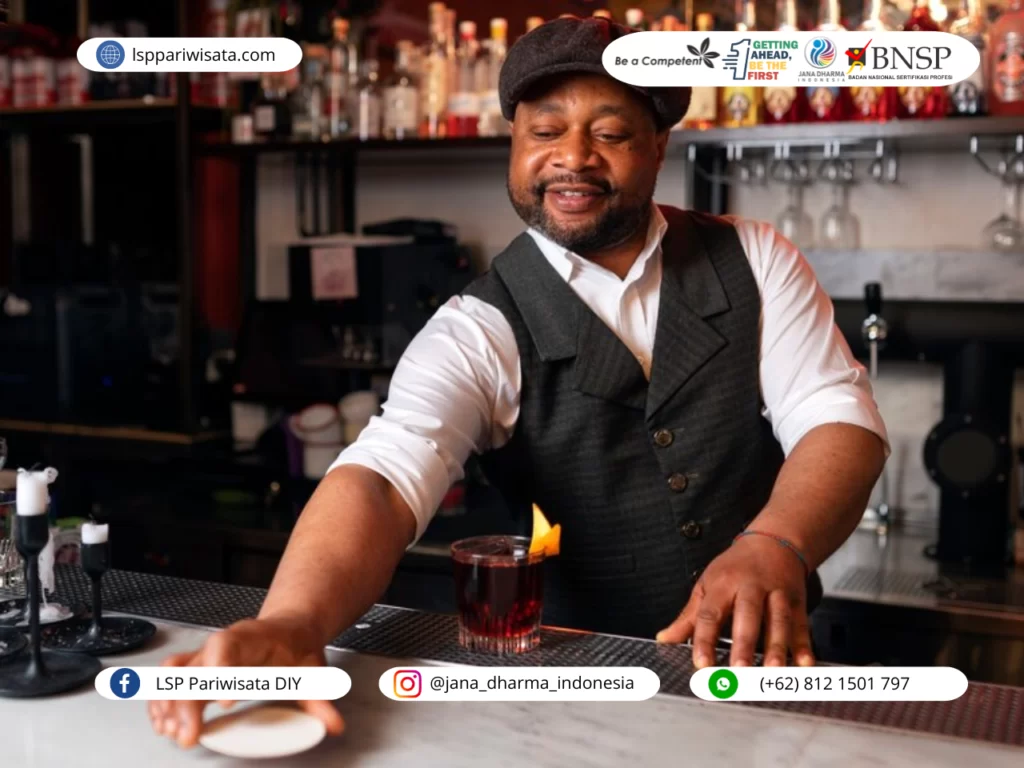
Peluang Karir Profesi Bartender

Exploring the Benefits of Certification for Bartender Trainees

Bidang Food & Beverage, Blog, EN

The bar and hospitality industry is growing rapidly, creating a demand for highly skilled and qualified bartenders. To enhance professionalism and meet industry standards, bartender trainees often seek relevant certifications. This article discusses the benefits of obtaining appropriate certification for those pursuing a career in bartending. Boosting Credibility and Customer Trust A bartender certification serves as tangible proof of one’s competence and skills in the field. Holding an industry-recognized certification enhances a bartender’s credibility in the eyes of customers. Customers are more likely to trust a bartender with certification, as it indicates formal training and a thorough understanding of essential principles and techniques. Enhancing Skills and Knowledge Bartender certification covers more than just basic abilities; it includes in-depth knowledge of beverages, mixing techniques, and industry work ethics. Certified trainees gain a better understanding of various types of drinks, bartending tools, and how to deliver superior service to customers. This improvement in skills allows them to craft more creative drinks and offer unique experiences to customers. Accelerated Career Growth A bartender certification gives trainees a competitive edge in a crowded job market. With the right certification, bartenders have better chances of securing jobs at premium venues or luxury hotels and restaurants. Additionally, many workplaces prioritize employees who have undergone formal training, making certification a key factor in hiring decisions. Compliance with Safety and Hygiene Standards Bartender certification often includes training on safety and hygiene standards, such as safe alcohol handling, proper bartending equipment maintenance, and general cleanliness practices. Understanding these standards helps bartenders create a safe and clean working environment, protecting customers’ health and ensuring compliance with local regulations and laws. Understanding Drink Serving Ethics and Certified Beverage Knowledge Certification not only teaches drink-serving techniques but also emphasizes the ethics of serving alcohol. This includes responsibility in serving alcoholic beverages and knowledge of legal limitations related to alcohol sales. Certified bartenders are trained to be responsible, knowing when to stop serving alcohol and understanding the legal implications involved. Access to Professional Networks and Continuing Education Opportunities Certified bartender trainees often gain access to professional networks and industry communities, providing opportunities to exchange experiences, learn from more experienced professionals, and even expand job opportunities. Some certification programs also offer continuing education or skill refreshers to keep trainees relevant and competitive in an ever-changing industry. Keeping Up with the Latest Trends and Innovations in Beverages A good bartender certification program includes an understanding of the latest trends and innovations in the beverage industry. This gives bartenders in-depth insight into the latest industry developments, including new drink recipes, innovative serving techniques, and consumer trends, helping them stay relevant and appealing to customers seeking unique drink experiences. Increasing Competitiveness in the International Job Market For bartenders planning to work abroad, certification can be a valuable asset. Many bartender certifications are internationally recognized, providing a higher level of competitiveness in the global job market. It also shows employers that a bartender has internationally acknowledged skills and knowledge, expanding job opportunities in various international destinations. Promoting a Culture of Responsibility and Suitability Bartender certification also helps build a culture of responsibility in the beverage industry. By emphasizing legal compliance and ethical drink-serving practices, certification promotes a more responsible culture among industry professionals. This positively impacts the industry’s image and helps reduce the negative effects that may result from unethical practices. Investment in a Sustainable Career Obtaining a bartender certification can be seen as an investment in a sustainable career. With formal qualifications, a bartender can view their job in the industry as a long-term career, opening up opportunities for growth, skill development, and achieving professional goals. Bartender certification is a strong first step toward a successful and fulfilling career. Conclusion Appropriate certification is an essential tool for bartender trainees who want to succeed in the bartending world. The benefits include increased credibility, deeper knowledge, and access to better career opportunities. By taking this step, bartenders not only enhance their professionalism but also help advance industry standards and build a positive image for the beverage industry. Certification that aligns with individual needs and aspirations can serve as a foundation for a satisfying and sustainable career in the dynamic bar industry. By participating in Bartender professional certification at LSPP Jana Dharma Indonesia, you will gain a competitive advantage. Our certification program covers key aspects of bartending, from drink-making techniques and stock management to the art of superior customer service. Join us to sharpen your skills and become a successful bartender. Register now at LSPP Jana Dharma Indonesia and start your journey to boost sales at your bar through exceptional expertise and customer service. For further information please contact us through : WhatsApp : +6282322795991 Telephone : 0274 543 761 Instagram : @jana_dharma_indonesia Email : [email protected]
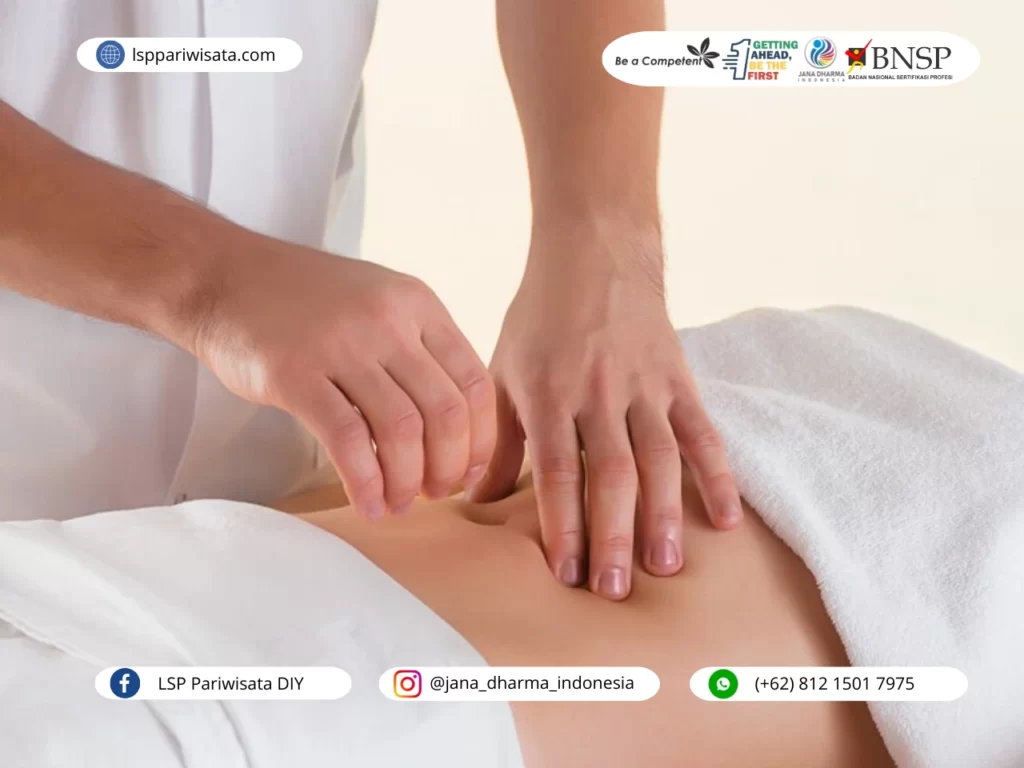
Terapis SPA

Guide to Choosing the Best Postpartum Care Certification: An Investment in Health and Well-being

Bidang SPA, Blog, EN

Postpartum care is crucial in helping new mothers recover physically and emotionally after childbirth. Certification in postpartum care offers confidence to mothers and their families, ensuring that they receive assistance from trained professionals. However, with various certifications available, selecting the best one can be challenging. This article provides a guide on how to choose the best certification for postpartum care. Accreditation and Credibility When choosing a certification program for postpartum care, the first thing to consider is whether the program is accredited by a reputable health and midwifery organization. Certification from a recognized institution ensures that the program meets certain standards in education and training. Comprehensive Curriculum It is essential to choose a certification that offers a comprehensive curriculum relevant to postpartum care needs. A good program should cover topics like physical recovery after childbirth, pain management, emotional support, and other crucial aspects of postpartum care. A holistic curriculum prepares professionals with the knowledge and skills necessary to provide the best support to new mothers. Instructor Credibility and Expertise Evaluating the credibility and expertise of the instructors is a crucial step in selecting a postpartum care certification. Ensure that the instructors have extensive experience in postpartum care and possess a solid educational and training background. Credible instructors give trainees confidence that they are receiving guidance from reliable sources. Program Reviews and Reputation Reading reviews and researching the reputation of the certification program can provide valuable insights. Reviews from previous participants offer an understanding of their training experience and how effective the program was in preparing them for providing postpartum care. A program with a good reputation is likely to attract participants seeking high-quality certification. Flexibility and Accessibility When choosing a certification, consider the flexibility and accessibility of the program. Programs offering flexible learning options, such as online classes or distance learning courses, can be ideal for those with busy schedules. This flexibility allows participants to balance training with other responsibilities, such as childcare or work. Patient and Family Empowerment The best postpartum care certification programs emphasize empowering patients and their families. This involves equipping new mothers and their families with the knowledge and skills to take an active role in care and recovery. A certification that focuses on collaborative and empowering approaches can have a long-term positive impact on the well-being of the mother and her family. Cultural Sensitivity and Diversity Considering cultural sensitivity and diversity in a postpartum care certification is also very important. Programs that value cultural diversity in healthcare and provide knowledge on how to offer culturally sensitive care can create an inclusive and effective care environment. Opportunities for Field Practice It’s important to choose a certification program that provides opportunities for field practice or hands-on experience in postpartum care. Field practice allows participants to apply the knowledge and skills they have gained during training in real-world settings. This is a critical step in preparing them to handle the challenges that may arise during daily practice. Post-Certification Support A good certification program offers post-certification support to participants. This can include access to additional resources, professional networks, or mentoring support. Post-certification support helps participants continue developing their skills and stay connected with the professional community. Cost and Value Lastly, consider the cost of the certification program and the value it provides. While cost is important, the value of the program in equipping participants with the necessary knowledge and skills should not be overlooked. Choosing a certification that offers value commensurate with the cost ensures that the investment in training is substantially beneficial. Conclusion Choosing the best certification for postpartum care is a crucial step in supporting the health and well-being of new mothers. By considering factors such as accreditation, curriculum, instructor credibility, and post-certification support, participants can ensure that they receive comprehensive training tailored to their needs. Investing in postpartum care certification benefits not only individuals pursuing a career in maternal healthcare but also contributes to the overall recovery and well-being of new mothers. For further information please contact us through : WhatsApp : +6282322795991 Telephone : 0274 543 761 Instagram : @jana_dharma_indonesia Email : [email protected]
Menyusun strategi komunikasi

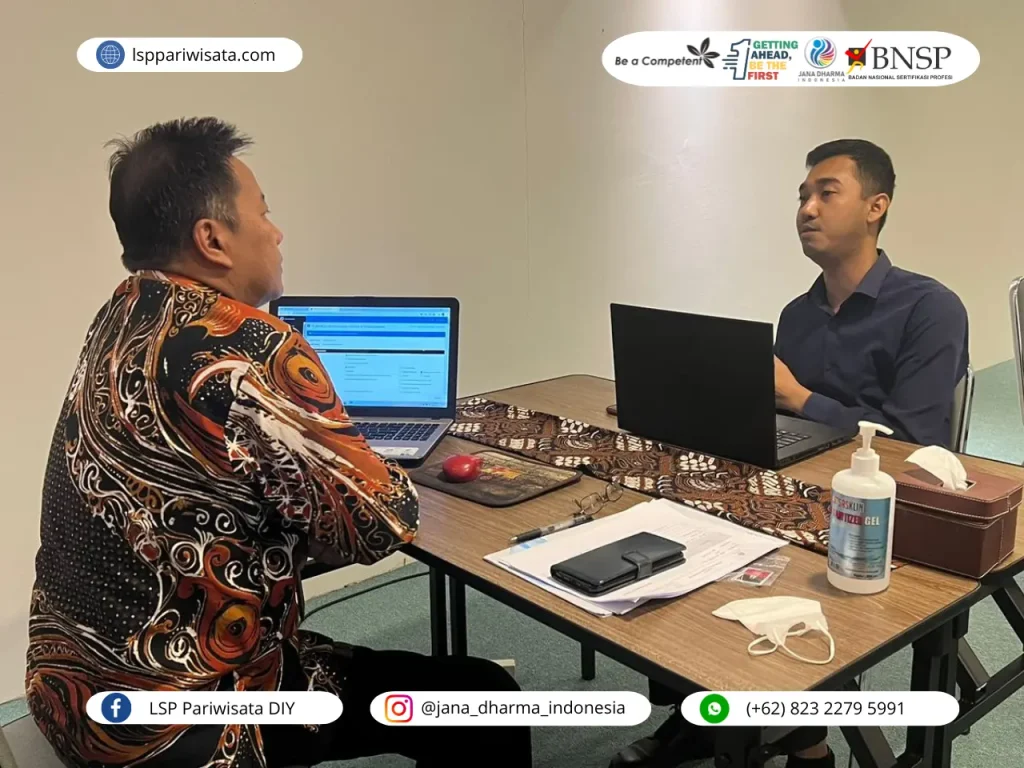
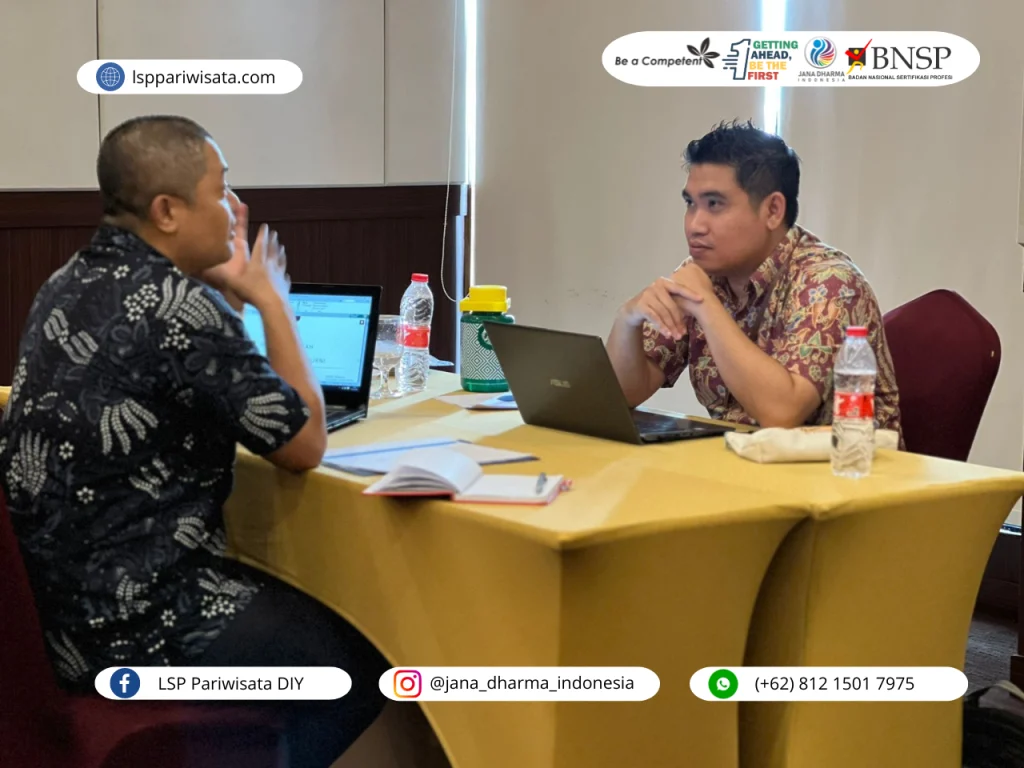
Tips Sukses Menghadapi Ujian Lisan Saat Sertifikasi

Bidang Guide, Bidang Hospitality, Bidang Konsultan Travel, Bidang Konsultan Travel, Bidang MICE, Bidang SPA, Blog, ID

Tips Sukses Menghadapi Ujian Lisan Saat Sertifikasi – Menghadapi ujian lisan saat sertifikasi seringkali menjadi momok bagi banyak peserta. Namun, dengan persiapan yang tepat, ujian ini bisa dilalui dengan lancar. Artikel ini akan memberikan beberapa tips praktis untuk membantu Anda sukses dalam ujian lisan sertifikasi. Tips Ujian Lisan Saat Sertifikasi 1. Persiapkan Diri dengan Matang Persiapan adalah kunci utama keberhasilan. Pastikan Anda memahami semua materi yang akan diujikan. Jangan hanya menghafal, tetapi pahami konsep-konsep yang mendasar. Anda bisa mencoba menjelaskan materi tersebut kepada diri sendiri atau orang lain untuk mengukur sejauh mana pemahaman Anda. 2. Latihan Berbicara Ujian lisan tentu memerlukan kemampuan berbicara yang baik. Latihlah diri Anda untuk berbicara dengan lancar dan percaya diri. Anda bisa berlatih di depan cermin atau dengan teman. Fokus pada artikulasi, intonasi, dan kecepatan bicara agar penjelasan Anda jelas dan mudah dimengerti oleh penguji. 3. Ketahui Struktur Ujian Sebelum ujian, carilah informasi mengenai struktur ujian lisan yang akan Anda hadapi. Ketahui jenis pertanyaan yang mungkin muncul dan bagaimana cara menjawabnya dengan tepat. Informasi ini dapat membantu Anda merasa lebih siap dan tenang saat ujian. 4. Tetap Tenang dan Fokus Rasa gugup adalah hal yang wajar, namun jangan biarkan hal tersebut mengganggu performa Anda. Tarik napas dalam-dalam dan fokus pada pertanyaan yang diajukan. Jika Anda tidak tahu jawabannya, jangan panik. Berikan jawaban terbaik yang Anda miliki dan jangan ragu untuk meminta klarifikasi jika pertanyaan tidak jelas. 5. Dengarkan dengan Baik Saat ujian lisan, penting untuk mendengarkan setiap pertanyaan dengan seksama sebelum menjawab. Hal ini akan membantu Anda memberikan jawaban yang tepat dan sesuai dengan apa yang diminta oleh penguji. Baca juga: Profesi Tour Leader vs Tour Guide: Apa Saja Perbedaannya? 6. Ajukan Pertanyaan Jika Perlu Jangan takut untuk bertanya jika ada hal yang tidak Anda pahami. Ini menunjukkan bahwa Anda benar-benar ingin memberikan jawaban yang terbaik dan memahami instruksi dengan baik. 7. Jaga Penampilan dan Sikap Penampilan dan sikap juga berperan penting dalam ujian lisan. Berpakaianlah dengan rapi dan tunjukkan sikap yang sopan dan profesional. Ini akan memberikan kesan positif kepada penguji. Mengikuti sertifikasi adalah langkah penting dalam karir Anda, khususnya di bidang pariwisata. Jika Anda ingin meningkatkan kredibilitas dan kompetensi, sertifikasi di LSP Jana Dharma Indonesia adalah pilihan yang tepat. Sertifikasi ini bukan pelatihan, tetapi menguji dan memvalidasi kompetensi Anda di bidang yang Anda tekuni. Jangan ragu untuk mengambil kesempatan ini dan buktikan keahlian Anda di dunia profesional. Dengan mengikuti tips di atas, Anda diharapkan bisa lebih percaya diri dan sukses dalam menghadapi ujian lisan saat sertifikasi. Persiapkan diri Anda sebaik mungkin, dan raih sertifikasi yang akan membawa Anda ke jenjang karir yang lebih tinggi! Untuk informasi dan pendaftaran, hubungi kami: WhatsApp : (+62)82322795991 Telp : 0274 543 761 Instagram : @jana_dharma_indonesia Email : [email protected]  

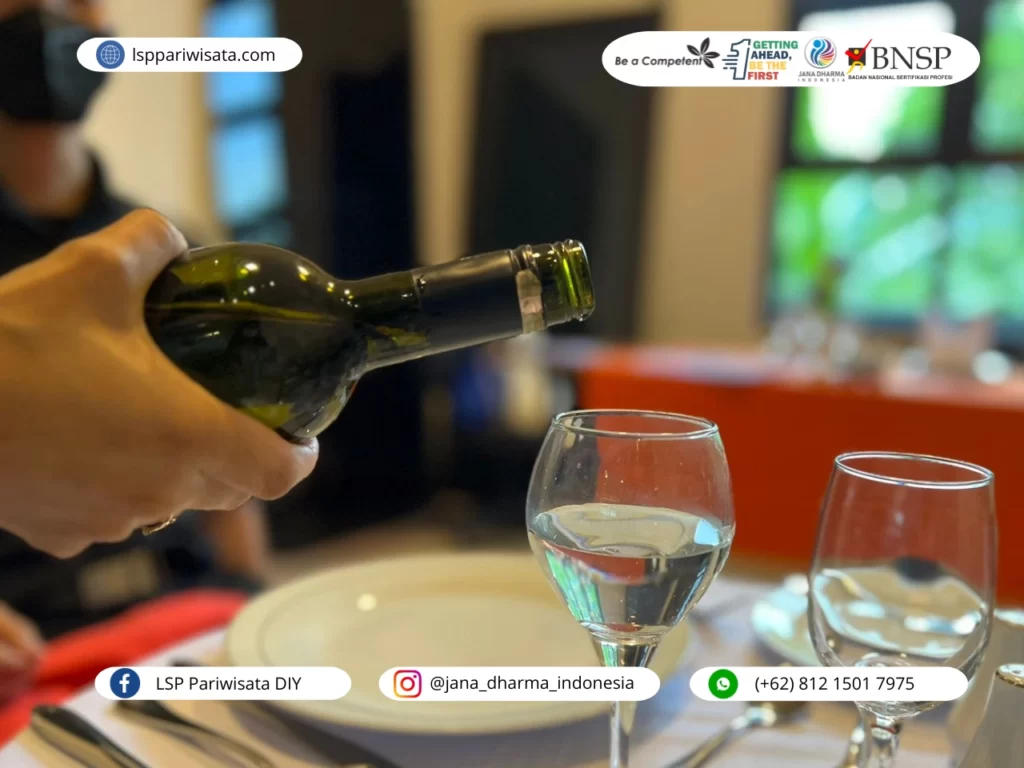
Cara Menjaga Konsistensi Rasa dalam Setiap Minuman Ala Bartender

Crisis Communication Management: Essential Skills for Bartenders

Bidang Food & Beverage, Blog, EN

In the service and entertainment industry, particularly for bartenders, communication crises can pose serious challenges. The ability to communicate effectively under pressure and handle unexpected situations is a critical skill. This article explores the importance of crisis communication management for bartenders and offers guidelines on how to navigate difficult situations with expertise and professionalism. The Importance of Effective Communication for Bartenders For bartenders, effective communication is the cornerstone of exceptional service. Maintaining clear communication with customers and colleagues creates a pleasant and welcoming atmosphere at the bar. However, in crisis situations, communication skills become even more crucial. Early Identification of Potential Crises An experienced bartender can recognize the early signs of a communication crisis. This involves the ability to read facial expressions, body language, and changes in the bar’s atmosphere. If there are signs of customer dissatisfaction, tension, or conflict, a seasoned bartender can quickly detect them and take action before the situation escalates. Maintaining Calm in Tense Situatio Tense situations or conflicts in a bar setting are inevitable. A bartender must stay calm and avoid reacting impulsively in difficult situations. This includes not responding to negative emotions with heightened negativity. Remaining composed helps to create a safe and calming environment in the bar. Wise Conflict Resolution Bartenders often encounter conflicts among customers or with customers. In crisis communication management, it’s important to possess conflict resolution skills. This includes listening carefully, understanding others’ perspectives, and offering fair solutions. Acting as a neutral mediator can help resolve conflicts without making the situation worse. Using Positive Body Language Body language is a powerful tool in communication, especially during a crisis. A bartender should understand how their body language can influence the situation. Using positive body language, such as smiling, maintaining eye contact, and calm gestures, can help soothe the atmosphere and rebuild positive relationships. Understanding and Respecting Personal Boundaries Bartenders also need to understand and respect customers’ personal boundaries. Sometimes, conflicts arise due to misunderstandings or breaches of personal space. A wise bartender will always respect customers’ privacy and wishes. Any discomfort or misalignment should be handled with sensitivity and care. Prioritizing Safety In a crisis situation, safety must be the top priority. A bartender should know how to handle situations that may pose physical or emotional danger. This includes recognizing signs of alcohol misuse and responding accordingly, as well as managing customers who may have mental or emotional health issues. Collaborating with Colleagues When faced with a crisis, working together with colleagues is key to effectively resolving the issue. A bartender must be able to communicate well with their team, share relevant information, and collectively find the best solution. A solid team is more effective in handling crises than individuals working alone. Continuous Education and Training Competent bartenders not only rely on experience but also continuously improve their skills through education and training. This includes training in conflict management, stress management, and communication skills. Regular training prepares bartenders to face crisis situations with professionalism. Honesty and Openness in Communication Finally, honesty and openness in communication are essential in crisis management. A bartender must be able to provide clear and transparent information to customers or colleagues. This builds a strong foundation of trust and helps manage crises more effectively. Conclusion The importance of crisis communication management for bartenders cannot be overlooked. The ability to identify potential crises, remain calm in tense situations, and resolve conflicts wisely are essential skills in this profession. Through education, training, and experience, bartenders can continually improve their communication skills to tackle challenges with professionalism and effectiveness. By focusing on safety, customer comfort, and teamwork, bartenders can confidently and competently handle various crisis situations. For further information please contact us through : WhatsApp : +6282322795991 Telephone : 0274 543 761 Instagram : @jana_dharma_indonesia Email : [email protected]
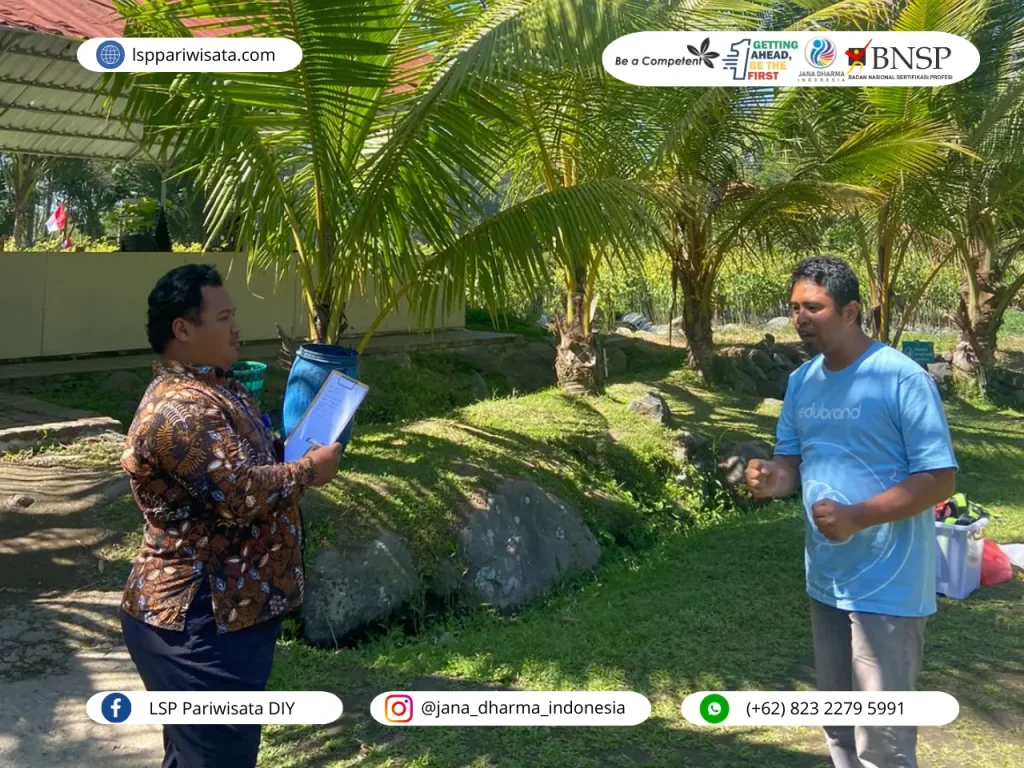
Mendalami Interaksi antara Pemandu Ekowisata dan Pengetahuan Pengunjung

The Positive Impact of Ecotourism Guiding: Understanding and Its Effects

Bidang Guide, Blog, EN

Ecotourism, which focuses on the conservation of natural and cultural heritage, has emerged as a new paradigm in the tourism industry. Ecotourism guiding plays a crucial role in ensuring that tourism delivers long-term benefits without harming the environment or cultural heritage. This article outlines the positive effects of sustainable ecotourism guiding and how this approach can benefit the environment, local communities, and visitors. Preservation of Natural Environments One of the most significant impacts of ecotourism guiding is the preservation of natural environments. Through sustainable practices such as controlled tourism routes, appropriate parking arrangements, and policies against excessive resource extraction, ecotourism contributes to the protection of natural ecosystems. This ensures long-term sustainability for biodiversity and natural beauty. Empowerment and Development of Local Communities Ecotourism guiding also has a positive impact on empowering and developing local communities. Involving local residents in tourism management and services helps create local jobs and empowers communities to take an active role in preserving their cultural and natural heritage. The revenue generated from ecotourism can be used to support infrastructure, education, and healthcare within the community. Appreciation of Local Culture Ecotourism guiding emphasizes the appreciation of local culture. Through direct interaction between visitors and local communities, tourists can learn about traditions, arts, and the daily lives of the locals. This helps preserve cultural diversity and prevents the cultural homogenization that often occurs in conventional tourism. Local communities can also benefit from the sustainability of their culture through the sale of local crafts or cultural tourism experiences. Environmental Education for Visitors Ecotourism guiding provides an opportunity to educate visitors about the importance of environmental conservation and sustainability. Guided tours that offer information about local ecosystems, flora, fauna, and sustainable practices help tourists develop a deeper understanding of their surroundings. This education raises environmental awareness and can inspire positive actions when visitors return to their communities. Limiting the Impact of Mass Tourism One of the advantages of ecotourism guiding is its ability to limit the negative impact of mass tourism. By setting visitor limits, designing sustainable tourism routes, and wisely managing recreational activities, ecotourism guiding can maintain a balance between sustainability and visitor satisfaction. This helps prevent environmental damage and depletion of local resources. Revenue for Conservation and Protection A portion of the revenue generated from ecotourism guiding is typically allocated to conservation and environmental protection projects. These funds can be used to support scientific research, breeding programs, and the management of conservation areas. In this way, ecotourism not only provides economic benefits to local communities but also makes a tangible contribution to the preservation of ecosystems and vulnerable species. Creating Global Awareness of Sustainability Ecotourism guiding has a global impact by raising awareness of sustainability and social responsibility. Through direct experiences at ecotourism destinations, visitors become more conscious agents of change regarding their environmental impact. They can take home the sustainability values they learn and apply them in their daily lives. Reducing Pressure on Popular Tourist Destinations Popular tourist destinations often face excessive pressure from visitors, which can damage the environment and diminish the quality of the tourist experience. By directing tourists to lesser-known or remote ecotourism destinations, ecotourism guiding helps alleviate pressure on more crowded locations. This creates a more equitable distribution of tourism, providing economic benefits to less-visited communities. Enhancing Corporate Social Responsibility in Tourism The ecotourism industry often implements high standards of corporate social responsibility. Tourism companies committed to ecotourism guiding understand that their business is not only responsible for financial gain but also for social and environmental impacts. They can set an example for other industries by demonstrating that sustainability is a key element for long-term success. Creating Meaningful Tourist Experiences One of the most positive effects of ecotourism guiding is the creation of meaningful tourist experiences. By bringing visitors closer to nature and culture, ecotourism offers more than just beautiful scenery; it teaches values of sustainability, social justice, and cultural diversity. Tourists often leave these destinations with lasting memories and a deeper understanding of sustainability. Conclusion Ecotourism guiding has a profoundly positive impact on the environment, local communities, and tourist experiences. Through sustainable practices, it contributes to environmental preservation, community empowerment, and the appreciation of local culture. Additionally, its contributions to conservation and environmental protection projects create benefits that extend far beyond immediate economic gains. By continuing to promote sustainability and social responsibility, ecotourism guiding can serve as a model for the tourism industry as a whole in achieving sustainable growth. For further information please contact us through : WhatsApp : +6282322795991 Telephone : 0274 543 761 Instagram : @jana_dharma_indonesia Email : [email protected]
Optimalkan Pengelolaan Utang dan Piutang di Hotel Anda

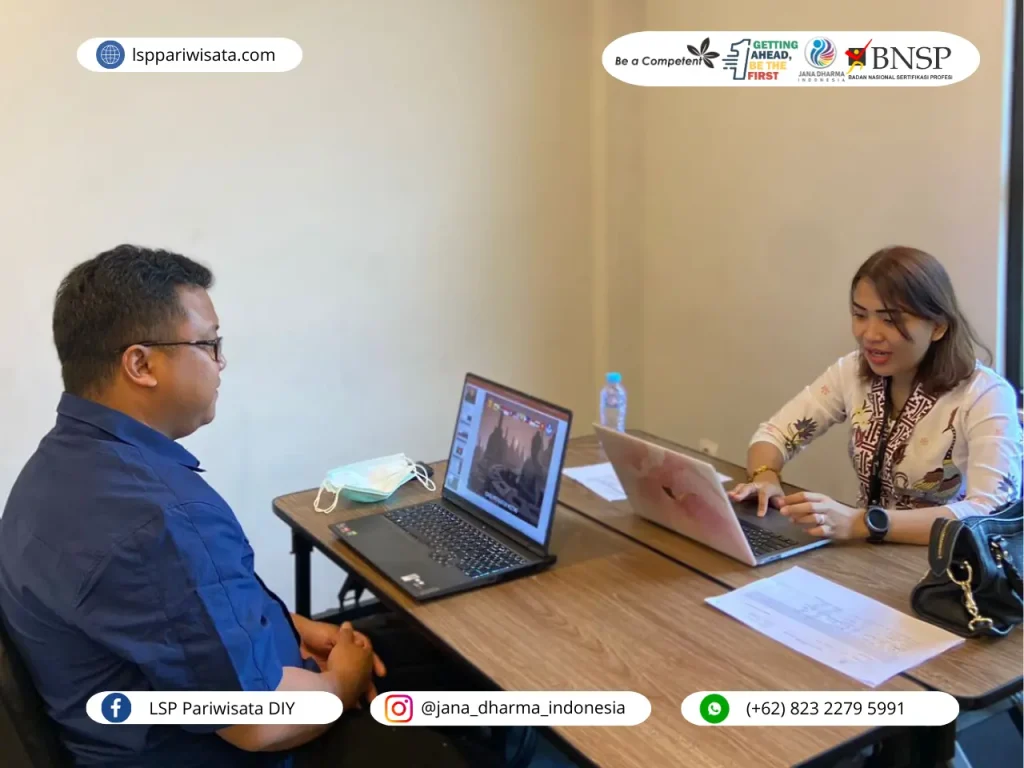
Building Professional Network as a Tourism Assessor

Blog, EN

In the tourism industry, building a professional network is crucial for career success, especially for a tourism assessor. A strong network can open doors to collaboration, knowledge exchange, and client growth. This article outlines effective strategies for building and expanding a professional network as a tourism assessor. Attend Tourism Events and Industry Conferences One of the best ways to build a professional network as a tourism assessor is by actively attending tourism events and industry conferences. These events provide a platform to meet fellow professionals, tourism business operators, and industry decision-makers. By participating in discussions, exhibitions, or social activities during these events, you can expand your network significantly. Join Professional Tourism Organizations Joining professional tourism organizations is a vital step in building a network. Organizations such as local or international Tourism Professional Associations provide a space to meet fellow professionals, stay updated on industry trends, and participate in collaborative projects. Membership in these organizations also grants access to resources and opportunities that may not be available individually. Utilize Social Media Platforms Social media is a powerful tool for building and maintaining a professional network. Use platforms like LinkedIn, Twitter, and Instagram to connect with fellow tourism professionals, share relevant content, and contribute to industry discussions. Ensure that your social media profiles reflect your professionalism and expertise as a tourism assessor. Maintain Relationships with Clients and Business Partners Managing relationships with clients and business partners is key to building a strong network. Maintain open and regular communication with your clients, as building a good reputation among them can lead to referrals and recommendations, which can help expand your network. Additionally, fostering good relationships with business partners such as travel agencies, hotels, and other tourism service providers can open doors for future collaborations. Contribute to Knowledge-Sharing Platforms Participating in knowledge-sharing platforms, such as online forums or tourism industry blogs, can help strengthen your professional network. Contribute to discussions, write informative articles or blog posts, and actively engage in online communities. This not only helps you share your knowledge but also attracts the attention of other professionals who may have similar interests or needs. Pursue Certification and Additional Education Enhancing your qualifications through certification and additional education can boost your professional network. When you obtain industry-recognized certification or add new skills through further training, you increase your credibility as a tourism assessor. This can attract the attention of fellow professionals and open opportunities to expand your network. Engage in the Local Community Tourism assessors often work with local clients, and your presence in the local community is key to building a professional network. Engage in community events, support local activities, and participate in social projects as a way to build relationships with local stakeholders. A supportive community is more likely to recommend you to others. Leverage Positive Testimonials and Reviews If you have provided satisfactory service to your clients, leverage positive testimonials and reviews as a tool to build your network. Ask clients to leave reviews or provide testimonials that you can showcase on your website or social media. This enhances your reputation as a reliable and competent tourism assessor. Volunteer as a Speaker or Resource Person Volunteering as a speaker or resource person at tourism-related events is an effective way to increase your visibility and expand your network. Offer to give presentations at seminars, conferences, or industry workshops. This not only strengthens your position as an expert in tourism but also opens the door to meet and interact with other professionals. Collaborate on Joint Projects Finally, collaborate with fellow tourism professionals on joint projects. Collaboration not only enhances your teamwork skills but also expands your network. By working together on projects, you can build closer relationships with your peers and lay a strong foundation for future collaborations. Conclusion Building a professional network as a tourism assessor requires commitment and continuous effort. By leveraging industry events, social media, and membership in professional organizations, you can increase your visibility and gain access to new opportunities. Maintaining good relationships with clients, business partners, and fellow professionals allows you to create a strong and sustainable network. Taking advantage of opportunities to share knowledge, volunteer as a speaker, and collaborate on joint projects are proactive steps to build your reputation and expand your professional network as a tourism assessor. LSPP Jana Dharma Indonesia offers certification programs tailored to the needs of the tourism industry. By pursuing this certification, you will gain the knowledge and skills necessary to become a qualified and reliable assessor. Enhance your career in the tourism industry by enrolling in the assessor certification at LSPP Jana Dharma Indonesia! For further information please contact us through : WhatsApp : +6282322795991 Telephone : 0274 543 761 Instagram : @jana_dharma_indonesia Email : [email protected]
Melaksanakan dan Memantau Kegiatan Pemasaran Langsung

Profesi Tour Leader vs Tour Guide: Apa Saja Perbedaannya?

Bidang Guide, ID

Profesi Tour Leader vs Tour Guide: Apa Saja Perbedaannya? – Profesi di bidang pariwisata memiliki peran yang beragam dan unik. Dua di antaranya yang sering dianggap serupa namun memiliki tanggung jawab berbeda adalah Tour Leader dan Tour Guide. Apakah Anda tahu perbedaan antara keduanya? Artikel ini akan membahas perbedaan penting antara profesi Tour Leader dan Tour Guide, serta mengapa penting untuk memiliki sertifikasi dalam bidang kepemanduan. Tugas dan Peran Tour Leader Tour Leader adalah sosok yang bertanggung jawab mengoordinasikan keseluruhan perjalanan wisata, mulai dari awal hingga akhir. Tugas utamanya adalah memastikan semua peserta tur merasa nyaman dan aman sepanjang perjalanan. Tour Leader juga berfungsi sebagai penghubung antara peserta tur dengan pihak penyelenggara atau agen perjalanan. Mereka harus memiliki kemampuan manajerial yang baik untuk mengatasi masalah yang mungkin timbul selama perjalanan. Tugas dan Peran Tour Guide Sementara itu, Tour Guide memiliki peran yang lebih spesifik. Mereka adalah sumber informasi tentang destinasi yang dikunjungi. Tour Guide bertugas memberikan penjelasan mendalam mengenai sejarah, budaya, dan fakta menarik seputar tempat yang dikunjungi oleh wisatawan. Dengan pengetahuan yang luas dan kemampuan komunikasi yang baik, Tour Guide membantu wisatawan mendapatkan pengalaman yang lebih bermakna selama perjalanan. Perbedaan Utama antara Tour Leader dan Tour Guide Meskipun keduanya berperan dalam sebuah perjalanan wisata, ada perbedaan mendasar antara Tour Leader dan Tour Guide. Tour Leader lebih fokus pada pengelolaan logistik dan kepuasan peserta tur secara keseluruhan, sementara Tour Guide lebih berfokus pada penyampaian informasi dan edukasi terkait destinasi wisata. Tour Leader sering kali menemani kelompok dari awal hingga akhir perjalanan, sedangkan Tour Guide biasanya hanya bertugas di destinasi tertentu. Baca juga: Temukan Sertifikasi yang Tepat untuk Profesi di Bidang Event dalam MICE Pentingnya Sertifikasi di Bidang Kepemanduan Dalam dunia pariwisata yang semakin kompetitif, memiliki sertifikasi di bidang kepemanduan menjadi nilai tambah yang signifikan. Sertifikasi ini bukan hanya tentang formalitas, tetapi sebagai bentuk pengakuan kompetensi dan keahlian yang Anda miliki. LSP Jana Dharma Indonesia menawarkan program sertifikasi yang menguji dan memvalidasi kemampuan Anda di bidang kepemanduan, baik sebagai Tour Leader maupun Tour Guide. Dengan memiliki sertifikasi ini, Anda dapat meningkatkan kredibilitas dan profesionalisme dalam karier Anda di industri pariwisata. Mengikuti sertifikasi di LSP Jana Dharma Indonesia adalah langkah strategis untuk menunjukkan bahwa Anda benar-benar kompeten dalam bidang kepemanduan. Ingat, sertifikasi ini bukan pelatihan, melainkan proses untuk menguji dan memvalidasi kompetensi Anda. Dengan memahami perbedaan dan pentingnya masing-masing profesi, Anda bisa lebih menentukan jalur karier yang sesuai dengan minat dan keahlian Anda. Jangan ragu untuk meningkatkan kualitas diri dengan memperoleh sertifikasi profesional di bidang kepemanduan! Untuk informasi dan pendaftaran, hubungi kami: WhatsApp : (+62)82322795991 Telp : 0274 543 761 Instagram : @jana_dharma_indonesia Email : [email protected]  
Scroll to Top